Amazon tells sellers to prepare for VAT as EU expansion gathers pace
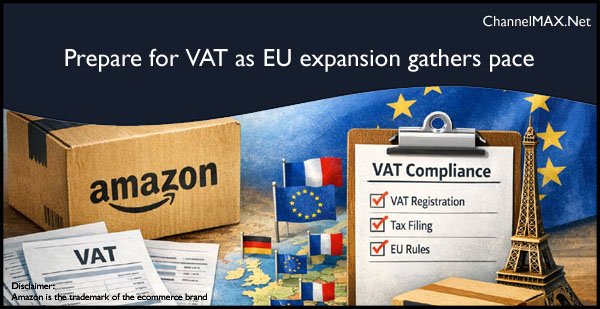
Seller Central update highlights registration, invoicing and filing duties, while EU tax rules show how OSS and import schemes can ease compliance for cross-border sellers.
By ChannelMAX Staff Writer
April-2026#15
Amazon sellers planning to expand into European stores are being urged to pay closer attention to VAT compliance, after a fresh Seller Central update reminded sellers that entering EU markets can quickly create tax registration, invoicing and return-filing responsibilities. The announcement, posted on Seller Central, is especially relevant for sellers using cross-border fulfilment, sending goods to multiple EU countries, or scaling B2C sales across Europe. Amazon’s own guidance says sellers must keep valid VAT numbers and business information in Seller Central aligned with tax authority records, and warns that selling ability may be restricted if this information is not updated.
Also Read: Amazon UK to revise FBA removal and disposal fee timing from May 1
What is VAT and why it matters for EU expansion
VAT, or Value-Added Tax, is a consumption tax applied to most goods and services sold within the European Union. Unlike some other tax systems, VAT is charged at each stage of the supply chain, with the final burden falling on the end consumer.
For Amazon sellers, this means VAT is not optional. It is a legal requirement in most cases when selling in EU countries. The standard VAT rate varies across member states but must be at least 15 percent. Some countries also offer reduced rates for specific product categories such as books or essential goods.
Understanding these variations is critical for pricing strategy and maintaining margins while staying compliant.
When sellers need to register for VAT
According to the Seller Central update, sellers are likely required to register for VAT in every EU country where they store inventory or exceed distance selling thresholds. This includes situations such as:
Storing inventory in Amazon fulfilment centres across EU countries
a) Selling goods to customers in different EU countries beyond threshold limits
b) mporting goods into the EU for sale
For sellers using Fulfilment by Amazon, VAT obligations can increase as inventory may be moved between countries under programmes like Pan-European FBA.
How VAT registration works for Amazon sellers
Once registered for VAT in a country, sellers receive a VAT number. This number must be included on invoices issued to customers where applicable. Sellers are also required to clearly mention the VAT rate and amount charged. One key benefit highlighted in the update is that registered sellers can reclaim VAT paid on business purchases. This helps offset tax liability and improves cash flow when managed properly. However, compliance comes with responsibility. Sellers must maintain accurate records and ensure invoices meet local tax requirements.
Filing VAT returns and staying compliant
Amazon has reminded sellers that VAT-registered businesses must file returns regularly. The frequency depends on the country, but it is typically monthly or quarterly. These returns include details of sales, purchases, VAT collected, and VAT paid. Any mismatch or delay in filing can lead to fines, penalties, or even suspension of selling privileges in extreme cases. To stay compliant, sellers are increasingly using VAT service providers or automated tax tools integrated with Seller Central. These tools can help calculate VAT, generate reports, and track filing deadlines.
Special rules for non-EU sellers
The update also highlights an important requirement for sellers based outside the European Union. Some EU countries require non-EU businesses to appoint a local tax representative to complete VAT registration. This representative acts as a liaison with tax authorities and may share liability for compliance. For Indian sellers or businesses operating from outside Europe, this step is often mandatory before starting sales in certain EU markets.
Additional compliance considerations sellers should know
Beyond basic VAT registration, sellers expanding into the EU should also consider:
a) Using the One Stop Shop system, which allows simplified VAT reporting across multiple EU countries
b) Understanding import VAT and customs duties when shipping goods from outside the EU
c) Keeping track of country-specific invoicing rules and digital reporting requirements
d) Monitoring changes in VAT rates and regulations, which can vary frequently
These factors can significantly impact profitability and operational efficiency.
Amazon’s latest Seller Central update serves as a timely reminder that VAT compliance is not just a regulatory requirement but a foundational step for successful expansion into European marketplaces. By understanding when and where to register, maintaining proper documentation, and filing accurate returns, sellers can avoid costly mistakes and build a stable international business.
For Amazon sellers, especially those from India looking to tap into EU demand, this guidance offers a clear roadmap. With the right preparation and use of available tools, VAT compliance can shift from a complex hurdle to a manageable part of scaling globally.
Also Read: Amazon Freight push aims to boost delivery reliability for UK and EU sellers
Disclaimer:
Amazon is the registered trademark of the company.
About ChannelMAX.NET:
ChannelMAX offers Amazon Repricer that runs on the latest AI Repricing algorithm to do Amazon Pricing Management or Amazon Repricing. Based on Amazon SP API, the repricing engine or repricer runs 24/7 and efficiently manages Amazon prices to maximize your BuyBox with profit optimization. Established in 2005, ChannelMAX has been integrated with Amazon technology since 2007, helping thousands of third-party sellers on various eCommerce platforms. Some of the eCommerce platforms, aka marketplaces, supported by ChannelMAX.NET, are Amazon, Walmart, eBay, and Shopify. Some of ChannelMAX key offerings include ChannelMAX Amazon Repricer, 2ndly, ChannelMAX Amazon FBA Audits and FBA Refunds management, an offering for managing Amazon FBA Refunds Reimbursement management for lost or damaged or misplaced inventory for which Amazon is responsible and for which sellers deserve appropriate credit reimbursement from Amazon. ChannelMAX Services offer Remote (aka Virtual) Full-Time eCommerce Assistant to help 3P sellers run their daytoday business.
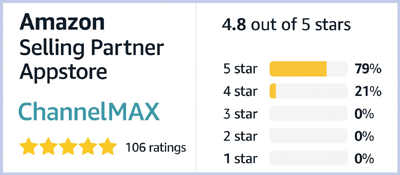
Check ChannelMAX at Amazon Selling Partner Appstore, an application with a 5 star rating.
By ChannelMAX Staff Writer
April-2026#15
Amazon sellers planning to expand into European stores are being urged to pay closer attention to VAT compliance, after a fresh Seller Central update reminded sellers that entering EU markets can quickly create tax registration, invoicing and return-filing responsibilities. The announcement, posted on Seller Central, is especially relevant for sellers using cross-border fulfilment, sending goods to multiple EU countries, or scaling B2C sales across Europe. Amazon’s own guidance says sellers must keep valid VAT numbers and business information in Seller Central aligned with tax authority records, and warns that selling ability may be restricted if this information is not updated.
Also Read: Amazon UK to revise FBA removal and disposal fee timing from May 1
What is VAT and why it matters for EU expansion
VAT, or Value-Added Tax, is a consumption tax applied to most goods and services sold within the European Union. Unlike some other tax systems, VAT is charged at each stage of the supply chain, with the final burden falling on the end consumer.
For Amazon sellers, this means VAT is not optional. It is a legal requirement in most cases when selling in EU countries. The standard VAT rate varies across member states but must be at least 15 percent. Some countries also offer reduced rates for specific product categories such as books or essential goods.
Understanding these variations is critical for pricing strategy and maintaining margins while staying compliant.
When sellers need to register for VAT
According to the Seller Central update, sellers are likely required to register for VAT in every EU country where they store inventory or exceed distance selling thresholds. This includes situations such as:
Storing inventory in Amazon fulfilment centres across EU countries
a) Selling goods to customers in different EU countries beyond threshold limits
b) mporting goods into the EU for sale
For sellers using Fulfilment by Amazon, VAT obligations can increase as inventory may be moved between countries under programmes like Pan-European FBA.
How VAT registration works for Amazon sellers
Once registered for VAT in a country, sellers receive a VAT number. This number must be included on invoices issued to customers where applicable. Sellers are also required to clearly mention the VAT rate and amount charged. One key benefit highlighted in the update is that registered sellers can reclaim VAT paid on business purchases. This helps offset tax liability and improves cash flow when managed properly. However, compliance comes with responsibility. Sellers must maintain accurate records and ensure invoices meet local tax requirements.
Filing VAT returns and staying compliant
Amazon has reminded sellers that VAT-registered businesses must file returns regularly. The frequency depends on the country, but it is typically monthly or quarterly. These returns include details of sales, purchases, VAT collected, and VAT paid. Any mismatch or delay in filing can lead to fines, penalties, or even suspension of selling privileges in extreme cases. To stay compliant, sellers are increasingly using VAT service providers or automated tax tools integrated with Seller Central. These tools can help calculate VAT, generate reports, and track filing deadlines.
Special rules for non-EU sellers
The update also highlights an important requirement for sellers based outside the European Union. Some EU countries require non-EU businesses to appoint a local tax representative to complete VAT registration. This representative acts as a liaison with tax authorities and may share liability for compliance. For Indian sellers or businesses operating from outside Europe, this step is often mandatory before starting sales in certain EU markets.
Additional compliance considerations sellers should know
Beyond basic VAT registration, sellers expanding into the EU should also consider:
a) Using the One Stop Shop system, which allows simplified VAT reporting across multiple EU countries
b) Understanding import VAT and customs duties when shipping goods from outside the EU
c) Keeping track of country-specific invoicing rules and digital reporting requirements
d) Monitoring changes in VAT rates and regulations, which can vary frequently
These factors can significantly impact profitability and operational efficiency.
Amazon’s latest Seller Central update serves as a timely reminder that VAT compliance is not just a regulatory requirement but a foundational step for successful expansion into European marketplaces. By understanding when and where to register, maintaining proper documentation, and filing accurate returns, sellers can avoid costly mistakes and build a stable international business.
For Amazon sellers, especially those from India looking to tap into EU demand, this guidance offers a clear roadmap. With the right preparation and use of available tools, VAT compliance can shift from a complex hurdle to a manageable part of scaling globally.
Also Read: Amazon Freight push aims to boost delivery reliability for UK and EU sellers
Disclaimer:
Amazon is the registered trademark of the company.
About ChannelMAX.NET:
ChannelMAX offers Amazon Repricer that runs on the latest AI Repricing algorithm to do Amazon Pricing Management or Amazon Repricing. Based on Amazon SP API, the repricing engine or repricer runs 24/7 and efficiently manages Amazon prices to maximize your BuyBox with profit optimization. Established in 2005, ChannelMAX has been integrated with Amazon technology since 2007, helping thousands of third-party sellers on various eCommerce platforms. Some of the eCommerce platforms, aka marketplaces, supported by ChannelMAX.NET, are Amazon, Walmart, eBay, and Shopify. Some of ChannelMAX key offerings include ChannelMAX Amazon Repricer, 2ndly, ChannelMAX Amazon FBA Audits and FBA Refunds management, an offering for managing Amazon FBA Refunds Reimbursement management for lost or damaged or misplaced inventory for which Amazon is responsible and for which sellers deserve appropriate credit reimbursement from Amazon. ChannelMAX Services offer Remote (aka Virtual) Full-Time eCommerce Assistant to help 3P sellers run their daytoday business.
Check ChannelMAX at Amazon Selling Partner Appstore, an application with a 5 star rating.