Amazon Alerts Sellers to New EU Import Duty Rules for Low-Value B2C Shipments From July 1
New €3 customs duty on low-value imports will affect FBA and FBM shipments sent from outside the EU to EU customers
By ChannelMAX Staff Writer
June-2026#24
Amazon has informed sellers about significant changes to European Union customs rules that will come into effect from July 1, 2026. The announcement, published on Seller Central, explains that the EU will remove the current customs duty exemption for low-value imports and introduce a new import duty for eligible shipments entering the EU from outside the region.
The update is particularly important for Amazon UK and international sellers who fulfil customer orders from outside the EU. Sellers are advised to review their fulfilment strategy, shipping process and pricing before the new rules take effect.
Also Read: Amazon Simplifies Cross-Border Growth With New EU Promotion Expansion Tool
Low-Value Duty Exemption Ends
Under the new EU customs regulation, the existing customs duty exemption for goods valued at €150 or less will be abolished.
Instead, a mandatory €3 customs duty will apply to each item or tariff line declared in customs for shipments imported directly into the EU from outside the bloc. The new rule applies to both Fulfilled by Amazon (FBA) and Fulfilled by Merchant (FBM) orders delivered to consumers within EU member states.
The measure is introduced under Regulation (EU) 2026/382 and forms part of the EU’s broader customs reform aimed at improving customs controls, increasing transparency and creating a more level playing field between EU-based and non-EU sellers.
Shipments Within the EU Remain Unaffected
Amazon clarified that the new €3 import duty only applies to shipments entering the EU from outside the region.
Orders fulfilled and shipped from inventory already stored within the EU to customers located in the EU will not be subject to this new import duty. However, existing VAT and other applicable taxes or customs charges may still apply depending on local regulations.
New Requirements for FBM Sellers
Amazon has outlined several important steps that Fulfilled by Merchant sellers must follow for shipments valued at €150 or less.
Sellers must use an Amazon-approved shipping carrier authorised to use Amazon's Import One-Stop Shop (IOSS) number for customs clearance. Amazon said additional approved carriers will be added and the list will continue to be updated after July 1.
Sellers must also provide carriers with the ASIN details for every product included in the shipment along with Amazon's IOSS number. The authorised carrier will collect the applicable import duty from the seller and remit it to EU customs authorities.
Amazon also reminded sellers that these shipments must continue to be sent under Delivered Duty Paid (DDP) terms. This ensures customers do not receive unexpected customs duties, import fees or tax charges after placing an order. Sellers are responsible for supplying carriers with all information and documentation required for customs clearance.
Amazon noted that its programme policies are being updated to reflect these new customs requirements.
How the Changes Affect FBA Sellers
For sellers using Remote Fulfilment with FBA, Amazon will automatically add the new €3 import duty to the customer-facing selling price for qualifying items valued at €150 or less.
VAT will then be calculated according to existing rules. As a result, customers may see higher prices than the base price set by the seller.
Amazon recommends that sellers review any automated pricing rules, repricing software or pricing strategies to ensure they remain competitive after the additional import duty is added.
Seller Central Will Display Base Price Only
Amazon also clarified that Seller Central pages, including Manage All Inventory, will continue to display the seller's original product price without the added import duty or applicable VAT.
From July 1 onwards, sellers can use Amazon's Revenue Calculator to view the final customer-facing selling price for Remote Fulfilment with FBA products after the import duty and VAT have been applied.
Local Inventory May Reduce Costs
Amazon encourages sellers serving EU customers to consider storing inventory inside Amazon's EU fulfilment network.
By fulfilling orders locally from within the EU, sellers can avoid the new import duty on qualifying shipments, potentially reduce customs-related complexity and provide faster delivery to customers.
This approach may become increasingly attractive for businesses with consistent sales across European marketplaces.
What Sellers Should Do Before July 1
Amazon recommends that sellers prepare well before the implementation date by reviewing product pricing, checking fulfilment methods, confirming carrier eligibility and ensuring customs documentation processes are ready.
Businesses relying on cross-border fulfilment from outside the EU should also evaluate whether moving inventory into EU fulfilment centres could improve customer experience and reduce additional costs.
The new EU customs rules represent an important operational and pricing change for sellers shipping low-value goods into Europe from outside the EU. With the removal of the long-standing duty exemption, both FBA and FBM sellers will need to adjust their pricing, fulfilment and customs compliance processes. Sellers who prepare early and understand the new requirements will be better positioned to minimise disruptions and continue serving EU customers efficiently once the rules take effect on July 1, 2026.
Also Read: Amazon UK Adds Benchmarking Feature to Customer Service Quality Insights Dashboard
Disclaimer:
Amazon is the registered trademark of the ecommerce company.
About ChannelMAX.NET:
ChannelMAX offers Amazon Repricer that runs on the latest AI Repricing algorithm to do Amazon Pricing Management or Amazon Repricing. Based on Amazon SP API, the repricing engine or repricer runs 24/7 and efficiently manages Amazon prices to maximize your BuyBox with profit optimization. Established in 2005, ChannelMAX has been integrated with Amazon technology since 2007, helping thousands of third-party sellers on various eCommerce platforms. Some of the eCommerce platforms, aka marketplaces, supported by ChannelMAX.NET, are Amazon, Walmart, eBay, and Shopify. Some of ChannelMAX key offerings include ChannelMAX Amazon Repricer, 2ndly, ChannelMAX Amazon FBA Audits and FBA Refunds management, an offering for managing Amazon FBA Refunds Reimbursement management for lost or damaged or misplaced inventory for which Amazon is responsible and for which sellers deserve appropriate credit reimbursement from Amazon. ChannelMAX Services offer Remote (aka Virtual) Full-Time eCommerce Assistant to help 3P sellers run their daytoday business.
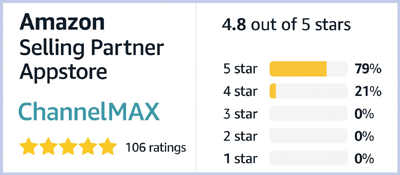
Check ChannelMAX at Amazon Selling Partner Appstore, an application with a 5 star rating.
By ChannelMAX Staff Writer
June-2026#24
Amazon has informed sellers about significant changes to European Union customs rules that will come into effect from July 1, 2026. The announcement, published on Seller Central, explains that the EU will remove the current customs duty exemption for low-value imports and introduce a new import duty for eligible shipments entering the EU from outside the region.
The update is particularly important for Amazon UK and international sellers who fulfil customer orders from outside the EU. Sellers are advised to review their fulfilment strategy, shipping process and pricing before the new rules take effect.
Also Read: Amazon Simplifies Cross-Border Growth With New EU Promotion Expansion Tool
Low-Value Duty Exemption Ends
Under the new EU customs regulation, the existing customs duty exemption for goods valued at €150 or less will be abolished.
Instead, a mandatory €3 customs duty will apply to each item or tariff line declared in customs for shipments imported directly into the EU from outside the bloc. The new rule applies to both Fulfilled by Amazon (FBA) and Fulfilled by Merchant (FBM) orders delivered to consumers within EU member states.
The measure is introduced under Regulation (EU) 2026/382 and forms part of the EU’s broader customs reform aimed at improving customs controls, increasing transparency and creating a more level playing field between EU-based and non-EU sellers.
Shipments Within the EU Remain Unaffected
Amazon clarified that the new €3 import duty only applies to shipments entering the EU from outside the region.
Orders fulfilled and shipped from inventory already stored within the EU to customers located in the EU will not be subject to this new import duty. However, existing VAT and other applicable taxes or customs charges may still apply depending on local regulations.
New Requirements for FBM Sellers
Amazon has outlined several important steps that Fulfilled by Merchant sellers must follow for shipments valued at €150 or less.
Sellers must use an Amazon-approved shipping carrier authorised to use Amazon's Import One-Stop Shop (IOSS) number for customs clearance. Amazon said additional approved carriers will be added and the list will continue to be updated after July 1.
Sellers must also provide carriers with the ASIN details for every product included in the shipment along with Amazon's IOSS number. The authorised carrier will collect the applicable import duty from the seller and remit it to EU customs authorities.
Amazon also reminded sellers that these shipments must continue to be sent under Delivered Duty Paid (DDP) terms. This ensures customers do not receive unexpected customs duties, import fees or tax charges after placing an order. Sellers are responsible for supplying carriers with all information and documentation required for customs clearance.
Amazon noted that its programme policies are being updated to reflect these new customs requirements.
How the Changes Affect FBA Sellers
For sellers using Remote Fulfilment with FBA, Amazon will automatically add the new €3 import duty to the customer-facing selling price for qualifying items valued at €150 or less.
VAT will then be calculated according to existing rules. As a result, customers may see higher prices than the base price set by the seller.
Amazon recommends that sellers review any automated pricing rules, repricing software or pricing strategies to ensure they remain competitive after the additional import duty is added.
Seller Central Will Display Base Price Only
Amazon also clarified that Seller Central pages, including Manage All Inventory, will continue to display the seller's original product price without the added import duty or applicable VAT.
From July 1 onwards, sellers can use Amazon's Revenue Calculator to view the final customer-facing selling price for Remote Fulfilment with FBA products after the import duty and VAT have been applied.
Local Inventory May Reduce Costs
Amazon encourages sellers serving EU customers to consider storing inventory inside Amazon's EU fulfilment network.
By fulfilling orders locally from within the EU, sellers can avoid the new import duty on qualifying shipments, potentially reduce customs-related complexity and provide faster delivery to customers.
This approach may become increasingly attractive for businesses with consistent sales across European marketplaces.
What Sellers Should Do Before July 1
Amazon recommends that sellers prepare well before the implementation date by reviewing product pricing, checking fulfilment methods, confirming carrier eligibility and ensuring customs documentation processes are ready.
Businesses relying on cross-border fulfilment from outside the EU should also evaluate whether moving inventory into EU fulfilment centres could improve customer experience and reduce additional costs.
The new EU customs rules represent an important operational and pricing change for sellers shipping low-value goods into Europe from outside the EU. With the removal of the long-standing duty exemption, both FBA and FBM sellers will need to adjust their pricing, fulfilment and customs compliance processes. Sellers who prepare early and understand the new requirements will be better positioned to minimise disruptions and continue serving EU customers efficiently once the rules take effect on July 1, 2026.
Also Read: Amazon UK Adds Benchmarking Feature to Customer Service Quality Insights Dashboard
Disclaimer:
Amazon is the registered trademark of the ecommerce company.
About ChannelMAX.NET:
ChannelMAX offers Amazon Repricer that runs on the latest AI Repricing algorithm to do Amazon Pricing Management or Amazon Repricing. Based on Amazon SP API, the repricing engine or repricer runs 24/7 and efficiently manages Amazon prices to maximize your BuyBox with profit optimization. Established in 2005, ChannelMAX has been integrated with Amazon technology since 2007, helping thousands of third-party sellers on various eCommerce platforms. Some of the eCommerce platforms, aka marketplaces, supported by ChannelMAX.NET, are Amazon, Walmart, eBay, and Shopify. Some of ChannelMAX key offerings include ChannelMAX Amazon Repricer, 2ndly, ChannelMAX Amazon FBA Audits and FBA Refunds management, an offering for managing Amazon FBA Refunds Reimbursement management for lost or damaged or misplaced inventory for which Amazon is responsible and for which sellers deserve appropriate credit reimbursement from Amazon. ChannelMAX Services offer Remote (aka Virtual) Full-Time eCommerce Assistant to help 3P sellers run their daytoday business.
Check ChannelMAX at Amazon Selling Partner Appstore, an application with a 5 star rating.