Amazon Enhances Product Opportunity Explorer, Introduces AI-Powered Product Validation and Personalized Launch Plans for US Sellers
New Seller Central features will help Amazon sellers evaluate product ideas using customer demand data, identify profitable opportunities, and prepare personalized launch strategies for their first 90 days
By ChannelMAX Staff Writer
Oct-2026#05
Launching a new product on Amazon's US marketplace could become easier and less risky for third-party sellers with enhanced product research tools and personalized launch recommendations. The latest improvements to Product Opportunity Explorer allow sellers to evaluate their product ideas against actual customer shopping behavior before investing in inventory or manufacturing.
In an official update titled "Launch new products with confidence," published on Amazon Seller Central, the company outlined improvements designed to help sellers make better product decisions, identify unmet customer demand, and increase their chances of achieving early sales.
Amazon said sellers who use Product Opportunity Explorer before launching a product record twice the sales during their first 90 days compared with sellers who do not use the tool. The company also highlighted the growing importance of new products in its marketplace. According to Amazon, new product launches accounted for 16% of all third-party sales in the United States last year.
The enhancements include an upgraded product validation experience, upcoming personalized product opportunity recommendations, and a new launch planning feature in Seller Central.
Also Read: Amazon Makes 24-Hour Express Payout Free and Automatic for Eligible US Sellers
Product Opportunity Explorer Now Helps Sellers Validate Their Own Ideas
One of the most important improvements allows sellers to bring their own product ideas into Product Opportunity Explorer and evaluate them using Amazon's customer purchase signals. Previously, the tool primarily helped sellers explore product niches and identify opportunities based on existing customer demand, search trends, and competitive information.
With the enhanced experience, sellers can describe a product they are considering launching, including its expected selling price. The tool then evaluates the idea against leading products in the relevant category. Sellers can use the findings to understand how their proposed product compares with existing offerings and whether changes could improve its market potential.
For example, a seller planning to introduce a stainless steel water bottle could evaluate a proposed product at $24.99 and compare its characteristics with popular products in the same category. If the analysis suggests that customers prefer different capacities, designs, or features, the seller can adjust the concept and run another evaluation.
This process allows sellers to refine their ideas before committing money to product sourcing, manufacturing, packaging, or inventory. However, customer demand data cannot guarantee a successful launch. Sellers should also evaluate manufacturing costs, competition, expected margins, and compliance requirements before making purchasing decisions.
Amazon to Recommend Product Ideas Based on Customer Demand
Another upcoming enhancement will make Product Opportunity Explorer more proactive in identifying potential product opportunities. Amazon said the tool will begin delivering product ideas directly to sellers in the coming months. These recommendations will be based on what customers are searching for and the product characteristics they appear to want.
The suggested opportunities will also include recommended price points, helping sellers evaluate whether a potential product fits their business model. This could be particularly useful for private-label sellers who regularly research new products but struggle to identify promising niches.
Instead of starting every research process from scratch, sellers may be able to review Amazon's suggested opportunities and investigate those that match their sourcing capabilities, target customers, and available investment. Sellers should still independently assess competition, supplier reliability, advertising expenses, and profitability before proceeding with any recommendation.
Personalized 90-Day Launch Plans Coming to Seller Central
Amazon is also introducing a personalized product launch planning experience to help sellers navigate the critical first 90 days after a product becomes available for purchase. According to the Seller Central announcement, the upcoming feature will generate launch recommendations based on strategies associated with the top 10 products in the seller's category. Once a newly listed product becomes available for customers to buy, Seller Central will provide recommendations covering three important areas:
1. Listing quality: Suggestions to improve product information and help customers understand the product.
2. Fulfillment: Guidance on fulfillment options and applicable programs that could support the launch.
3. Advertising: Recommendations to help sellers promote their products, including relevant keywords.
The launch plan will also highlight available incentives, such as eligible Fulfillment by Amazon (FBA) New Selection fee waivers. Amazon said sellers who follow key launch recommendations are five times more likely to achieve at least 10 sales within 30 days.
This figure highlights the potential value of structured launch planning, although it should not be interpreted as a guarantee that following the recommendations will produce the same results for every seller. The company has not specified an exact availability date for the new personalized launch planning feature.
How Amazon Sellers Can Benefit From These Enhancements
The latest changes could be especially valuable for sellers entering new product categories, expanding private-label catalogs, or preparing seasonal product launches. For new sellers, the improved Product Opportunity Explorer may reduce some of the uncertainty involved in selecting a first product.
For established sellers, the tool could support product line expansion by helping them evaluate variations, identify unmet demand, and assess new opportunities within familiar categories. Private-label sellers may find the ability to test product characteristics particularly useful when communicating with manufacturers or developing differentiated products.
Meanwhile, the personalized launch plan could help sellers organize their early marketing, fulfillment, and listing optimization activities instead of managing each process independently. The tools may also help sellers avoid some common launch mistakes, such as entering overcrowded niches without differentiation, selecting unsuitable price points, or launching without a clear advertising strategy. Still, the tools should complement rather than replace detailed financial planning and independent market research.
How to Access Product Opportunity Explorer in Seller Central
Amazon sellers interested in the enhanced features can begin by signing in to their US Seller Central accounts. They can then navigate to Product Opportunity Explorer, generally available through the Growth menu, where eligible sellers can explore product opportunities and customer demand information.
Sellers should look for the enhanced product idea validation experience within the tool. A practical approach is to begin with a specific product concept, enter the intended selling price, review the available competitive and demand insights, and refine the product idea based on the results.
The upcoming personalized product recommendations and first-90-days launch plans will become available as Amazon introduces them. Feature visibility may depend on account eligibility and rollout status. Sellers who cannot yet see a particular feature should monitor Seller Central announcements for further updates.
Additional Considerations Before Launching a Product
Although the new features could improve product research and launch preparation, sellers should examine several business factors before investing in a new product. First, they should calculate the expected profit after accounting for manufacturing, shipping, Amazon referral fees, FBA charges where applicable, advertising, returns, and other operating costs.
Second, sellers should review customer feedback on competing products to identify recurring complaints or product features that could provide opportunities for differentiation. Third, sellers should verify that their proposed products meet Amazon's listing policies and applicable US regulatory requirements. Certain categories may require additional documentation, testing, or approvals.
Fourth, sellers should evaluate inventory requirements and supplier lead times to avoid running out of stock during the early launch period. Finally, sellers should establish realistic advertising budgets and monitor key performance indicators, including conversion rates, advertising costs, customer reviews, and product profitability. These steps remain important even when Amazon's tools identify promising demand signals.
Amazon's Broader Focus on Data-Driven Seller Growth
The Product Opportunity Explorer enhancements reflect Amazon's growing emphasis on helping third-party sellers make decisions using marketplace data and guided recommendations. By connecting product research with launch planning, Amazon aims to support sellers across multiple stages of introducing new products.
The enhanced research experience could help sellers identify opportunities before manufacturing begins, while the upcoming launch plans could provide more structured guidance after a product becomes available. For sellers, the main advantage is access to a more connected workflow that brings together customer demand insights, product positioning, listing improvements, fulfillment considerations, and advertising recommendations.
As competition in Amazon's US marketplace continues, successful product launches will still depend on selecting products that meet genuine customer needs, maintaining competitive pricing, and executing effective marketing strategies.
The new tools could make those decisions more informed, particularly for sellers who combine Amazon's recommendations with careful financial analysis and independent research.
Also Read: Black Friday and Cyber Monday 2026: Amazon Sellers Must Submit Deals by October 20
Disclaimer:
Amazon is the registered trademark of the e-commerce brand.
About ChannelMAX.NET:
ChannelMAX offers Amazon Repricer that runs on the latest AI Repricing algorithm to do Amazon Pricing Management or Amazon Repricing. Based on Amazon SP API, the repricing engine or repricer runs 24/7 and efficiently manages Amazon prices to maximize your BuyBox with profit optimization. Established in 2005, ChannelMAX has been integrated with Amazon technology since 2007, helping thousands of third-party sellers on various eCommerce platforms. Some of the eCommerce platforms, aka marketplaces, supported by ChannelMAX.NET, are Amazon, Walmart, eBay, and Shopify. Some of ChannelMAX key offerings include ChannelMAX Amazon Repricer, 2ndly, ChannelMAX Amazon FBA Audits and FBA Refunds management, an offering for managing Amazon FBA Refunds Reimbursement management for lost or damaged or misplaced inventory for which Amazon is responsible and for which sellers deserve appropriate credit reimbursement from Amazon. ChannelMAX Services offer Remote (aka Virtual) Full-Time eCommerce Assistant to help 3P sellers run their daytoday business.
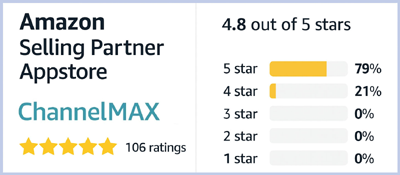
Check ChannelMAX at Amazon Selling Partner Appstore, an application with a 5 star rating.
By ChannelMAX Staff Writer
Oct-2026#05
Launching a new product on Amazon's US marketplace could become easier and less risky for third-party sellers with enhanced product research tools and personalized launch recommendations. The latest improvements to Product Opportunity Explorer allow sellers to evaluate their product ideas against actual customer shopping behavior before investing in inventory or manufacturing.
In an official update titled "Launch new products with confidence," published on Amazon Seller Central, the company outlined improvements designed to help sellers make better product decisions, identify unmet customer demand, and increase their chances of achieving early sales.
Amazon said sellers who use Product Opportunity Explorer before launching a product record twice the sales during their first 90 days compared with sellers who do not use the tool. The company also highlighted the growing importance of new products in its marketplace. According to Amazon, new product launches accounted for 16% of all third-party sales in the United States last year.
The enhancements include an upgraded product validation experience, upcoming personalized product opportunity recommendations, and a new launch planning feature in Seller Central.
Also Read: Amazon Makes 24-Hour Express Payout Free and Automatic for Eligible US Sellers
Product Opportunity Explorer Now Helps Sellers Validate Their Own Ideas
One of the most important improvements allows sellers to bring their own product ideas into Product Opportunity Explorer and evaluate them using Amazon's customer purchase signals. Previously, the tool primarily helped sellers explore product niches and identify opportunities based on existing customer demand, search trends, and competitive information.
With the enhanced experience, sellers can describe a product they are considering launching, including its expected selling price. The tool then evaluates the idea against leading products in the relevant category. Sellers can use the findings to understand how their proposed product compares with existing offerings and whether changes could improve its market potential.
For example, a seller planning to introduce a stainless steel water bottle could evaluate a proposed product at $24.99 and compare its characteristics with popular products in the same category. If the analysis suggests that customers prefer different capacities, designs, or features, the seller can adjust the concept and run another evaluation.
This process allows sellers to refine their ideas before committing money to product sourcing, manufacturing, packaging, or inventory. However, customer demand data cannot guarantee a successful launch. Sellers should also evaluate manufacturing costs, competition, expected margins, and compliance requirements before making purchasing decisions.
Amazon to Recommend Product Ideas Based on Customer Demand
Another upcoming enhancement will make Product Opportunity Explorer more proactive in identifying potential product opportunities. Amazon said the tool will begin delivering product ideas directly to sellers in the coming months. These recommendations will be based on what customers are searching for and the product characteristics they appear to want.
The suggested opportunities will also include recommended price points, helping sellers evaluate whether a potential product fits their business model. This could be particularly useful for private-label sellers who regularly research new products but struggle to identify promising niches.
Instead of starting every research process from scratch, sellers may be able to review Amazon's suggested opportunities and investigate those that match their sourcing capabilities, target customers, and available investment. Sellers should still independently assess competition, supplier reliability, advertising expenses, and profitability before proceeding with any recommendation.
Personalized 90-Day Launch Plans Coming to Seller Central
Amazon is also introducing a personalized product launch planning experience to help sellers navigate the critical first 90 days after a product becomes available for purchase. According to the Seller Central announcement, the upcoming feature will generate launch recommendations based on strategies associated with the top 10 products in the seller's category. Once a newly listed product becomes available for customers to buy, Seller Central will provide recommendations covering three important areas:
1. Listing quality: Suggestions to improve product information and help customers understand the product.
2. Fulfillment: Guidance on fulfillment options and applicable programs that could support the launch.
3. Advertising: Recommendations to help sellers promote their products, including relevant keywords.
The launch plan will also highlight available incentives, such as eligible Fulfillment by Amazon (FBA) New Selection fee waivers. Amazon said sellers who follow key launch recommendations are five times more likely to achieve at least 10 sales within 30 days.
This figure highlights the potential value of structured launch planning, although it should not be interpreted as a guarantee that following the recommendations will produce the same results for every seller. The company has not specified an exact availability date for the new personalized launch planning feature.
How Amazon Sellers Can Benefit From These Enhancements
The latest changes could be especially valuable for sellers entering new product categories, expanding private-label catalogs, or preparing seasonal product launches. For new sellers, the improved Product Opportunity Explorer may reduce some of the uncertainty involved in selecting a first product.
For established sellers, the tool could support product line expansion by helping them evaluate variations, identify unmet demand, and assess new opportunities within familiar categories. Private-label sellers may find the ability to test product characteristics particularly useful when communicating with manufacturers or developing differentiated products.
Meanwhile, the personalized launch plan could help sellers organize their early marketing, fulfillment, and listing optimization activities instead of managing each process independently. The tools may also help sellers avoid some common launch mistakes, such as entering overcrowded niches without differentiation, selecting unsuitable price points, or launching without a clear advertising strategy. Still, the tools should complement rather than replace detailed financial planning and independent market research.
How to Access Product Opportunity Explorer in Seller Central
Amazon sellers interested in the enhanced features can begin by signing in to their US Seller Central accounts. They can then navigate to Product Opportunity Explorer, generally available through the Growth menu, where eligible sellers can explore product opportunities and customer demand information.
Sellers should look for the enhanced product idea validation experience within the tool. A practical approach is to begin with a specific product concept, enter the intended selling price, review the available competitive and demand insights, and refine the product idea based on the results.
The upcoming personalized product recommendations and first-90-days launch plans will become available as Amazon introduces them. Feature visibility may depend on account eligibility and rollout status. Sellers who cannot yet see a particular feature should monitor Seller Central announcements for further updates.
Additional Considerations Before Launching a Product
Although the new features could improve product research and launch preparation, sellers should examine several business factors before investing in a new product. First, they should calculate the expected profit after accounting for manufacturing, shipping, Amazon referral fees, FBA charges where applicable, advertising, returns, and other operating costs.
Second, sellers should review customer feedback on competing products to identify recurring complaints or product features that could provide opportunities for differentiation. Third, sellers should verify that their proposed products meet Amazon's listing policies and applicable US regulatory requirements. Certain categories may require additional documentation, testing, or approvals.
Fourth, sellers should evaluate inventory requirements and supplier lead times to avoid running out of stock during the early launch period. Finally, sellers should establish realistic advertising budgets and monitor key performance indicators, including conversion rates, advertising costs, customer reviews, and product profitability. These steps remain important even when Amazon's tools identify promising demand signals.
Amazon's Broader Focus on Data-Driven Seller Growth
The Product Opportunity Explorer enhancements reflect Amazon's growing emphasis on helping third-party sellers make decisions using marketplace data and guided recommendations. By connecting product research with launch planning, Amazon aims to support sellers across multiple stages of introducing new products.
The enhanced research experience could help sellers identify opportunities before manufacturing begins, while the upcoming launch plans could provide more structured guidance after a product becomes available. For sellers, the main advantage is access to a more connected workflow that brings together customer demand insights, product positioning, listing improvements, fulfillment considerations, and advertising recommendations.
As competition in Amazon's US marketplace continues, successful product launches will still depend on selecting products that meet genuine customer needs, maintaining competitive pricing, and executing effective marketing strategies.
The new tools could make those decisions more informed, particularly for sellers who combine Amazon's recommendations with careful financial analysis and independent research.
Also Read: Black Friday and Cyber Monday 2026: Amazon Sellers Must Submit Deals by October 20
Disclaimer:
Amazon is the registered trademark of the e-commerce brand.
About ChannelMAX.NET:
ChannelMAX offers Amazon Repricer that runs on the latest AI Repricing algorithm to do Amazon Pricing Management or Amazon Repricing. Based on Amazon SP API, the repricing engine or repricer runs 24/7 and efficiently manages Amazon prices to maximize your BuyBox with profit optimization. Established in 2005, ChannelMAX has been integrated with Amazon technology since 2007, helping thousands of third-party sellers on various eCommerce platforms. Some of the eCommerce platforms, aka marketplaces, supported by ChannelMAX.NET, are Amazon, Walmart, eBay, and Shopify. Some of ChannelMAX key offerings include ChannelMAX Amazon Repricer, 2ndly, ChannelMAX Amazon FBA Audits and FBA Refunds management, an offering for managing Amazon FBA Refunds Reimbursement management for lost or damaged or misplaced inventory for which Amazon is responsible and for which sellers deserve appropriate credit reimbursement from Amazon. ChannelMAX Services offer Remote (aka Virtual) Full-Time eCommerce Assistant to help 3P sellers run their daytoday business.
Check ChannelMAX at Amazon Selling Partner Appstore, an application with a 5 star rating.