Amazon Imposes Fuel Surcharge on FBA, MCF and Buy with Prime Amid Rising Logistics Costs
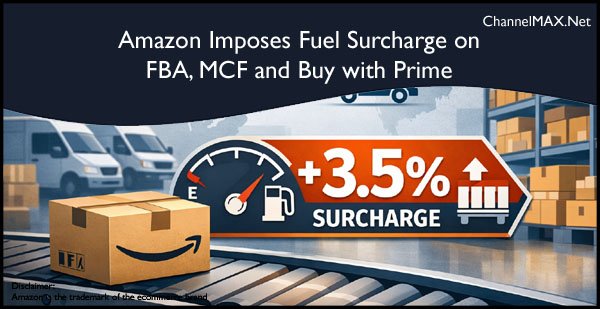
Seller Central update introduces 3.5 percent surcharge in the US and Canada as global fuel volatility and supply chain disruptions push fulfillment costs higher
By ChannelMAX Staff Writer
April-2026#02
Amazon has announced a new fuel and logistics-related surcharge on its Seller Central platform, signaling a shift in cost dynamics for sellers operating in North America. The surcharge, set at 3.5 percent of fulfillment fees, will impact Fulfillment by Amazon, Multi-Channel Fulfillment, and Buy with Prime services. The move comes at a time when global geopolitical tensions and persistent supply chain disruptions have driven up fuel and transportation costs across the logistics industry. For sellers, this update is crucial for pricing strategy, cost planning, and maintaining profitability in an evolving marketplace.
Why Amazon is introducing the surcharge
The announcement shared on Seller Central highlights that Amazon has been absorbing elevated fuel and logistics costs for some time. However, with ongoing geopolitical instability, including tensions in key energy-producing regions and disruptions in global shipping routes, fuel prices have remained volatile.
Rising crude oil prices, higher freight rates, and increased last-mile delivery expenses have significantly impacted logistics providers worldwide. Similar to major carriers, Amazon is now passing on a portion of these increased costs through a temporary surcharge to maintain operational efficiency and service reliability.
Also Read: Amazon Expands Seller Wallet to Europe, Giving Marketplace Sellers Greater
Where and when the surcharge applies
The surcharge rollout will happen in phases:
-From April 17, 2026
-Applies to Fulfillment by Amazon in the US and Canada
-Includes Remote Fulfillment with FBA from the US to Canada, Mexico, and Brazil
From May 2, 2026
-Applies to Buy with Prime in the US
-Applies to Multi-Channel Fulfillment in the US and Canada
This phased implementation allows sellers some time to assess the impact and adjust their operations accordingly.
How the surcharge will be calculated
Amazon has clarified that the surcharge will be applied only on fulfillment fees, not on the selling price of products. This distinction is important for sellers when recalculating margins.
On average, the surcharge is expected to add around 0.17 dollars per unit for US FBA orders. However, the exact cost will vary depending on product size, weight, and shipping requirements.
To support sellers, Amazon has updated key tools including the Revenue Calculator, Profit Analytics dashboard, and Fee and Economics Preview reports. These tools now reflect both per-unit and overall business impact, enabling sellers to make data-driven decisions.
What this means for Amazon sellers
For sellers, the surcharge introduces a new cost layer that must be factored into pricing, promotions, and inventory planning. While the percentage may appear modest, it can significantly impact margins for high-volume or low-margin products.
Sellers may consider reviewing their product pricing strategies, optimizing packaging to reduce dimensional weight, and evaluating inventory placement to minimize cross-border shipping costs. Those using Buy with Prime or MCF should also reassess fulfillment strategies across channels.
At the same time, Amazon has indicated that the surcharge is relatively lower compared to other major logistics carriers, suggesting that its fulfillment network remains competitive despite rising costs.
Global context shaping logistics costs
The surcharge reflects broader global trends affecting e-commerce logistics. Ongoing geopolitical tensions in West Asia and Eastern Europe have disrupted energy supply chains, pushing up fuel prices. In addition, rerouting of shipping lanes, higher insurance costs, and port congestion have added to overall logistics expenses.
These developments have had a cascading effect on global e-commerce operations, forcing companies to reassess cost structures and introduce temporary pricing adjustments.
Amazon’s decision to introduce a fuel and logistics-related surcharge marks a significant development for sellers operating in the US and Canada. While it adds to operational costs, the update also provides transparency and tools that help sellers plan ahead.
By using Amazon’s updated analytics tools and proactively adjusting pricing and fulfillment strategies, sellers can manage the impact effectively. Staying informed about such changes on Seller Central will be key for maintaining competitiveness and profitability in a rapidly changing global logistics environment.
Also Read: Amazon Asks Sellers to Remove Meltable FBA Inventory by April 20 Ahead of Summer Restrictions
Disclaimer:
Amazon is the registered trademark of the e-commerce brand.
About ChannelMAX.NET:
ChannelMAX offers Amazon Repricer that runs on the latest AI Repricing algorithm to do Amazon Pricing Management or Amazon Repricing. Based on Amazon SP API, the repricing engine or repricer runs 24/7 and efficiently manages Amazon prices to maximize your BuyBox with profit optimization. Established in 2005, ChannelMAX has been integrated with Amazon technology since 2007, helping thousands of third-party sellers on various eCommerce platforms. Some of the eCommerce platforms, aka marketplaces, supported by ChannelMAX.NET, are Amazon, Walmart, eBay, and Shopify. Some of ChannelMAX key offerings include ChannelMAX Amazon Repricer, 2ndly, ChannelMAX Amazon FBA Audits and FBA Refunds management, an offering for managing Amazon FBA Refunds Reimbursement management for lost or damaged or misplaced inventory for which Amazon is responsible and for which sellers deserve appropriate credit reimbursement from Amazon. ChannelMAX Services offer Remote (aka Virtual) Full-Time eCommerce Assistant to help 3P sellers run their daytoday business.
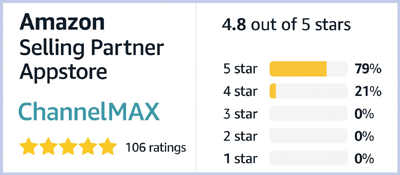
Check ChannelMAX at Amazon Selling Partner Appstore, an application with a 5 star rating.
By ChannelMAX Staff Writer
April-2026#02
Amazon has announced a new fuel and logistics-related surcharge on its Seller Central platform, signaling a shift in cost dynamics for sellers operating in North America. The surcharge, set at 3.5 percent of fulfillment fees, will impact Fulfillment by Amazon, Multi-Channel Fulfillment, and Buy with Prime services. The move comes at a time when global geopolitical tensions and persistent supply chain disruptions have driven up fuel and transportation costs across the logistics industry. For sellers, this update is crucial for pricing strategy, cost planning, and maintaining profitability in an evolving marketplace.
Why Amazon is introducing the surcharge
The announcement shared on Seller Central highlights that Amazon has been absorbing elevated fuel and logistics costs for some time. However, with ongoing geopolitical instability, including tensions in key energy-producing regions and disruptions in global shipping routes, fuel prices have remained volatile.
Rising crude oil prices, higher freight rates, and increased last-mile delivery expenses have significantly impacted logistics providers worldwide. Similar to major carriers, Amazon is now passing on a portion of these increased costs through a temporary surcharge to maintain operational efficiency and service reliability.
Also Read: Amazon Expands Seller Wallet to Europe, Giving Marketplace Sellers Greater
Where and when the surcharge applies
The surcharge rollout will happen in phases:
-From April 17, 2026
-Applies to Fulfillment by Amazon in the US and Canada
-Includes Remote Fulfillment with FBA from the US to Canada, Mexico, and Brazil
From May 2, 2026
-Applies to Buy with Prime in the US
-Applies to Multi-Channel Fulfillment in the US and Canada
This phased implementation allows sellers some time to assess the impact and adjust their operations accordingly.
How the surcharge will be calculated
Amazon has clarified that the surcharge will be applied only on fulfillment fees, not on the selling price of products. This distinction is important for sellers when recalculating margins.
On average, the surcharge is expected to add around 0.17 dollars per unit for US FBA orders. However, the exact cost will vary depending on product size, weight, and shipping requirements.
To support sellers, Amazon has updated key tools including the Revenue Calculator, Profit Analytics dashboard, and Fee and Economics Preview reports. These tools now reflect both per-unit and overall business impact, enabling sellers to make data-driven decisions.
What this means for Amazon sellers
For sellers, the surcharge introduces a new cost layer that must be factored into pricing, promotions, and inventory planning. While the percentage may appear modest, it can significantly impact margins for high-volume or low-margin products.
Sellers may consider reviewing their product pricing strategies, optimizing packaging to reduce dimensional weight, and evaluating inventory placement to minimize cross-border shipping costs. Those using Buy with Prime or MCF should also reassess fulfillment strategies across channels.
At the same time, Amazon has indicated that the surcharge is relatively lower compared to other major logistics carriers, suggesting that its fulfillment network remains competitive despite rising costs.
Global context shaping logistics costs
The surcharge reflects broader global trends affecting e-commerce logistics. Ongoing geopolitical tensions in West Asia and Eastern Europe have disrupted energy supply chains, pushing up fuel prices. In addition, rerouting of shipping lanes, higher insurance costs, and port congestion have added to overall logistics expenses.
These developments have had a cascading effect on global e-commerce operations, forcing companies to reassess cost structures and introduce temporary pricing adjustments.
Amazon’s decision to introduce a fuel and logistics-related surcharge marks a significant development for sellers operating in the US and Canada. While it adds to operational costs, the update also provides transparency and tools that help sellers plan ahead.
By using Amazon’s updated analytics tools and proactively adjusting pricing and fulfillment strategies, sellers can manage the impact effectively. Staying informed about such changes on Seller Central will be key for maintaining competitiveness and profitability in a rapidly changing global logistics environment.
Also Read: Amazon Asks Sellers to Remove Meltable FBA Inventory by April 20 Ahead of Summer Restrictions
Disclaimer:
Amazon is the registered trademark of the e-commerce brand.
About ChannelMAX.NET:
ChannelMAX offers Amazon Repricer that runs on the latest AI Repricing algorithm to do Amazon Pricing Management or Amazon Repricing. Based on Amazon SP API, the repricing engine or repricer runs 24/7 and efficiently manages Amazon prices to maximize your BuyBox with profit optimization. Established in 2005, ChannelMAX has been integrated with Amazon technology since 2007, helping thousands of third-party sellers on various eCommerce platforms. Some of the eCommerce platforms, aka marketplaces, supported by ChannelMAX.NET, are Amazon, Walmart, eBay, and Shopify. Some of ChannelMAX key offerings include ChannelMAX Amazon Repricer, 2ndly, ChannelMAX Amazon FBA Audits and FBA Refunds management, an offering for managing Amazon FBA Refunds Reimbursement management for lost or damaged or misplaced inventory for which Amazon is responsible and for which sellers deserve appropriate credit reimbursement from Amazon. ChannelMAX Services offer Remote (aka Virtual) Full-Time eCommerce Assistant to help 3P sellers run their daytoday business.
Check ChannelMAX at Amazon Selling Partner Appstore, an application with a 5 star rating.