How Repricing Improves Seller Metrics and Account Health
Why Smart Pricing Plays a Key Role in Amazon Performance, Customer Experience, and Long-Term Seller Success
By ChannelMAX Staff Writer
Jan-2026#05
On Amazon, pricing is not only about beating competitors. It affects the number of orders you receive, how well you handle those orders, how customers rate your service, and how Amazon evaluates your seller account.
Many sellers use repricing only to increase sales. But Amazon checks much more than sales numbers. When pricing is not managed properly, sellers may get too many orders at once, face delivery issues, or receive negative feedback. These problems slowly damage seller metrics and account health. In the long run, this can affect Buy Box eligibility and product visibility.
Smart repricing works in a better way. It helps sellers control demand, avoid operational problems, and meet Amazon’s performance requirements. In this article, we explain how repricing enhances seller metrics, how incorrect pricing can harm account health, and how sellers can utilize repricing as a tool for stability — not just for increasing sales.
Understanding Amazon Seller Metrics and Account Health
Amazon closely monitors seller performance to make sure customers always get a smooth, reliable, and trustworthy shopping experience. To do this, Amazon uses a set of measurements called seller metrics. All these metrics together decide the overall account health of a seller.
Key seller metrics include:
a. Order Defect Rate (ODR)
b. Late Shipment Rate
c. Cancellation Rate
d. Customer Feedback score
e. Buy Box eligibility
Seller metrics show how well a seller handles orders, shipping, customer satisfaction, and returns. Amazon expects sellers to meet specific performance standards. When sellers consistently meet these standards, their accounts remain healthy and stable.
However, when seller metrics do not meet Amazon’s performance standards, sellers may face issues such as:
a. Reduced chances of winning the Buy Box
b. Lower product visibility in search results
c. Listing suppression, where products become inactive
d. Account health warnings from Amazon
e. Temporary or permanent selling restrictions in serious cases
These actions directly impact sales, customer trust, and long-term business growth on Amazon.
Pricing plays a very important role in all of this. When prices are too low, sellers may receive more orders than they can handle, leading to late shipments, cancellations, or poor customer experience. When prices are too high, sales may slow down, affecting performance consistency. In both cases, seller metrics can suffer.
Smart pricing helps sellers manage order volume, meet delivery promises, keep customers satisfied, and maintain strong account health over time.
How Pricing Directly Affects Seller Performance
Pricing decisions have a direct impact on seller performance, even though many sellers may not immediately notice the connection. When pricing is not managed carefully, small mistakes can slowly turn into serious account health issues.
Poor pricing often creates operational problems that affect seller metrics. For example:
a. Very low prices can make orders unprofitable. Sellers may cancel orders to avoid losses, which increases the Cancellation Rate.
b. Sudden price drops can cause an increase in orders. If the seller is not prepared, this leads to late shipments and a higher Late Shipment Rate.
c. Pricing without stock awareness can result in overselling. When inventory runs out, orders are canceled or delayed, leading to customer complaints and negative feedback.
These situations directly affect key seller metrics such as Order Defect Rate, Cancellation Rate, and Late Shipment Rate. Over time, repeated issues can cause account health warnings, reduce Buy Box eligibility, and lower listing visibility.
This clearly shows that pricing is not just a sales strategy. Pricing and seller metrics are deeply connected, and smart pricing helps sellers maintain steady operations, meet Amazon’s performance standards, and protect long-term account health.
Also Read: Amazon Repricing Strategies That Actually Work
How Repricing Helps Control Order Defect Rate
Order Defect Rate (ODR) shows how often customers face serious issues with their orders. It includes negative feedback, A-to-Z Guarantee claims, and chargebacks. Since these issues directly reflect customer dissatisfaction, Amazon closely monitors this metric.
Amazon expects sellers to keep the Order Defect Rate below 1%. For small and medium sellers, even a few negative experiences can quickly push the rate above the allowed limit. Once this happens, account health warnings and selling restrictions may follow.
Smart repricing helps sellers control Order Defect Rate in several ways:
a. It keeps prices realistic and profitable, so sellers do not feel forced to cancel or rush orders.
b. It reduces pressure on operations, which lowers the chance of packing, shipping, or communication mistakes.
c. It prevents sudden spikes in order volume (due to incorrect pricing) that sellers may not be prepared to handle.
When pricing is stable and well planned, sellers can process orders calmly and accurately. Orders are shipped on time, communication improves, and customer expectations are fulfilled.
As a result, customers have a better buying experience. This naturally leads to fewer complaints, fewer A-to-Z claims, fewer chargebacks, and more positive feedback. All of these help maintain a healthy Order Defect Rate and a strong seller account.
How Repricing Helps Reduce Late Shipments
Late shipments usually occur when sellers receive more orders than their fulfillment process can handle. This often happens after sudden price drops or aggressive undercutting, which can create an unexpected jump in demand. When sellers are not prepared for this increase, shipping delays become common.
Amazon closely tracks shipping performance and expects sellers to keep their Late Shipment Rate below 4% of total orders. When sellers fail to ship orders on time, it affects customer trust and satisfaction. As a result, Amazon may reduce Buy Box eligibility, lower product visibility, or issue account health warnings.
Smart repricing helps reduce late shipments in several ways:
a. It prevents sudden spikes in demand by avoiding extreme or unplanned price drops.
b. It helps maintain a steady and manageable order flow, allowing sellers to plan packing and shipping more efficiently.
c. It ensures pricing is aligned with fulfillment capacity, ensuring sellers only receive as many orders as they can ship on time.
When pricing remains stable and well-planned, operations also stay stable. Sellers can pack and ship orders on time, meet Amazon’s delivery expectations, and maintain healthy shipping metrics. This makes it easier to protect overall account health while continuing to win sales consistently.
Also Read: Amazon FBA vs FBM: Which Fulfillment Method Is Right for You?
How Repricing Helps Lower Order Cancellation Rates
Order cancellations are one of the most harmful seller metrics on Amazon because they directly impact customer trust and account health. Amazon expects sellers to keep the Order Cancellation Rate below 2.5%. Even a small increase can damage account health and lead to reduced Buy Box visibility or account warnings.
Order cancellations usually happen due to a few common reasons:
a. Overselling, caused by poor inventory tracking or pricing that does not consider available stock.
b. Prices dropping below cost, forcing sellers to cancel orders to avoid financial loss.
c. Suppliers or fulfillment partners failing to meet demand, especially during sudden sales spikes
Smart repricing helps reduce these risks in several ways:
a. It avoids unsustainable pricing, ensuring sellers do not accept orders they cannot fulfill profitably.
b. It aligns pricing with available inventory levels, reducing the risk of overselling.
c. It helps slow down sales when stock is limited, giving sellers time to restock or manage fulfillment properly.
When sellers are not forced to cancel orders, customer experience improves, and seller metrics remain stable. Fewer cancellations lead to stronger account health, better Buy Box eligibility, and more consistent long-term performance on Amazon.
How Repricing Helps Improve Inventory Stability
Inventory issues are a major hidden factor behind poor seller metrics. Running out of stock can cause Buy Box loss and missed sales, while having too much stock may push sellers to offer heavy discounts, which can hurt profits and account health.
Repricing can help maintain inventory stability by using pricing strategically:
a. Gradually move slow-selling stock by adjusting prices to encourage sales without rushing orders.
b. Protect fast-selling items from unnecessary price drops that could create fulfillment problems.
c. Balances inventory levels, helping prevent stock-outs and reducing excess stock.
This approach keeps operations smooth, protects seller metrics, and ensures consistent performance. Tools like ChannelMAX offer inventory-aware repricing, letting sellers adjust prices based on real-time stock levels and make smarter, data-driven pricing decisions.
How Repricing Strengthens Buy Box Eligibility
Buy Box eligibility depends on more than just having the lowest price. Amazon also considers seller performance, shipping reliability, and customer satisfaction. Even if a seller offers a competitive price, sellers can lose the Buy Box if order issues increase, fulfillment becomes unreliable, or performance metrics cross Amazon’s limits.
Smart repricing helps strengthen Buy Box eligibility by:
a. Keeping prices competitive without creating operational or financial risk
b. Supporting consistent performance, so orders are fulfilled on time and accurately
c. Avoiding short-term tactics that can harm long-term visibility and account health
By maintaining stable and strategic pricing, sellers can protect their metrics, deliver a better customer experience, and remain eligible for the Buy Box over time.
Also Read: Amazon Buy Box Maximization - A Path to Increase Your Sales
How Repricing Helps Improve Customer Experience
Customer experience plays a significant role on Amazon, and pricing influences it more than sellers often realize. Poor pricing can create problems that frustrate buyers and hurt seller performance, like:
a. Delayed deliveries when sudden demand exceeds fulfillment capacity.
b. Cancelled orders due to unprofitable or oversold items.
c. Confusing buying experiences when prices change too quickly or unpredictably.
d. Unhappy customers leaving negative feedback that affects seller metrics.
Smart repricing improves customer experience by:
a. Making sure sellers can deliver what they sell, avoiding cancellations and delays.
b. Keeping delivery promises realistic, so customers receive their orders on time.
c. Reducing problems with service, like complaints or negative reviews.
When customers are satisfied, sellers receive better feedback, fewer A-to-Z claims, and stronger overall metrics. This helps maintain a healthy seller account and long-term business growth.
Why Automated Repricing Helps Keep Your Amazon Account Healthy
Manually updating prices can be inconsistent and risky. Sellers may forget to update prices on time or accidentally set prices below cost. Even small errors like these can hurt seller metrics and overall account health over time.
Automated repricing helps maintain account stability by removing guesswork and ensures pricing decisions are consistent and controlled. It helps sellers maintain stable operations and meet Amazon’s performance standards.
Automated repricing supports seller account health by:
a. Consistent rule application: Automatically adjusts prices according to set rules for all products.
b. Quick, calm response: Reacts to market changes without sudden, risky price drops.
c. 24/7 operation: Updates prices continuously, even when you are not actively managing them.
d. Fewer human errors: Prevents mistakes that could lead to cancellations, late shipments, or negative feedback.
For sellers managing a large number of SKUs, manual repricing is challenging and time-consuming. Automation ensures pricing stays aligned with inventory, demand, and profit goals. This protects key seller metrics, maintains account health, and allows your Amazon business to run smoothly and efficiently.
Also Read: Automated Repricers: What Should You Spend and What Features Matter?
How ChannelMAX Supports Healthy Seller Metrics
ChannelMAX is designed to help sellers price smartly, focusing on long-term account health. It combines competitive pricing with operational control to ensure sellers can maintain strong metrics while growing their business.
ChannelMAX helps sellers by:
a. Monitoring competitor prices in real time.
b. Protecting minimum and maximum price limits.
c. Supporting Buy Box–focused pricing strategies.
d. Adjusting prices based on inventory levels.
e. Scaling repricing across large catalogs.
f. Providing reliable support when needed.
This approach helps sellers stay competitive, manage inventory effectively, and maintain healthy seller metrics, keeping their Amazon account in good standing over time.
To sum up, pricing on Amazon is much more than a way to boost sales. It directly impacts seller metrics, account health, and the overall customer experience. Smart repricing allows sellers to maintain key metrics like Order Defect Rate, Late Shipment Rate, and Cancellation Rate within Amazon’s limits, while keeping inventory steady and avoiding stock issues. It also helps sellers stay eligible for the Buy Box by balancing competitive pricing with consistent operational performance.
At the same time, repricing improves customer experience by ensuring timely deliveries, reducing cancellations, and minimizing service issues. By using repricing strategically, sellers can protect their account health, build trust with customers, and grow their business steadily. Tools like ChannelMAX make it easy to automate this process, aligning pricing with inventory and maintaining long-term stability on Amazon.
Disclaimer:
Amazon is the registered trademark of the e-commerce brand.
ChannelMAX offers Amazon Repricer that runs on the latest AI Repricing algorithm to do Amazon Pricing Management or Amazon Repricing. Based on Amazon SP API, the repricing engine or repricer runs 24/7 and efficiently manages Amazon prices to maximize your BuyBox with profit optimization. Established in 2005, ChannelMAX has been integrated with Amazon technology since 2007, helping thousands of third-party sellers on various eCommerce platforms. Some of the eCommerce platforms, aka marketplaces, supported by ChannelMAX.NET, are Amazon, Walmart, eBay, and Shopify. Some of ChannelMAX key offerings include ChannelMAX Amazon Repricer, 2ndly, ChannelMAX Amazon FBA Audits and FBA Refunds management, an offering for managing Amazon FBA Refunds Reimbursement management for lost or damaged or misplaced inventory for which Amazon is responsible and for which sellers deserve appropriate credit reimbursement from Amazon. ChannelMAX Services offer Remote (aka Virtual) Full-Time eCommerce Assistant to help 3P sellers run their daytoday business.
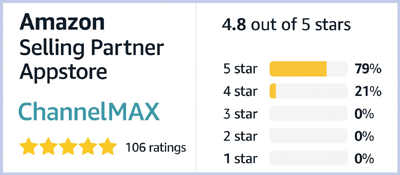
Check ChannelMAX at Amazon Selling Partner Appstore, an application with a 5 star rating.