Mastering Amazon Seller-Fulfilled Prime (SFP): How to Sell on Amazon Without Using FBA
Deliver Prime Benefits from Your Own Warehouse — Without Using FBA
By ChannelMAX Staff Writer
July-2025#25
In today’s fast-moving online shopping world, speed and reliable delivery are very crucial, especially for Amazon’s 200+ million Prime members worldwide. Many sellers utilize Fulfillment by Amazon (FBA) to offer Prime benefits to their customers, but some sellers want more control over their inventory and branding. That’s where Amazon’s Seller-Fulfilled Prime (SFP) comes in. As of 2025, SFP is still a high-bar, invite-only program that allows qualified sellers to offer Prime-level delivery speed while shipping orders directly from their own warehouse. If a seller can meet Amazon’s high standards, SFP is a great way to reach Prime customers without using FBA.
In this article, we will discuss everything you need to know about Amazon Seller-Fulfilled Prime, including how it works, who is eligible, the benefits and challenges, and whether it's the right choice for your business.
What is Amazon Seller-Fulfilled Prime?
Seller-Fulfilled Prime (SFP) is a fulfillment option on Amazon that enables third-party sellers to deliver products directly to Prime customers from their own warehouses. They don’t have to use Amazon’s FBA (Fulfillment by Amazon) service, but their product listings can still display the Prime badge.
Sellers enrolled in this program are responsible for storing, packing, and shipping their own products. But they must follow Amazon’s strict performance standards, like:
a. Delivering within 2 days to most places in the U.S.
b. Shipping the same day if the order comes before a set time.
c. Offering delivery and pickup on weekends in certain regions.
d. Using delivery companies approved by Amazon.
e. Always delivering on time and giving great customer service.
This program gives sellers more control over their inventory and brand experience while being able to reach Prime members. But it also means more work and responsibility compared to using FBA.
How Does Seller-Fulfilled Prime Work?
Seller-Fulfilled Prime (SFP) is a special program that allows Amazon sellers to ship orders from their own warehouse or through a third-party logistics provider, while still giving customers the Prime shopping experience—fast, free delivery with the Prime badge on their listings.
This program gives sellers more control over their inventory and fulfillment process, without having to send products to Amazon’s warehouses.
1. Joining the Program – Enrollment and Trial Period
Before joining SFP, sellers must go through a trial period to prove that they can meet Amazon’s performance metrics. This trial helps Amazon ensure that customers will still get the fast and reliable service they expect from Prime.
During the trial, sellers must:
a. Offer Prime shipping benefits on a selection of products
b. Use Amazon’s Buy Shipping Services for all Prime orders
c. Meet fast shipping deadlines and provide accurate tracking
d. Show they can handle customer service and returns smoothly
Once the seller consistently meets all required metrics, they are officially part of the SFP program.
2. Order Fulfillment by the Seller
After being approved, sellers are fully responsible for fulfilling Prime orders themselves. That includes:
a. Inventory Management: Sellers keep and manage inventory in their own warehouse or with a chosen logistics company.
b. Packing and Shipping: When a Prime order is placed, the seller picks, packs, and ships items using Amazon-approved carriers.
c. Shipping Speed: Make sure Prime customers get their orders in two days, including weekend shipping in certain regions.
d. Approved Carriers Only: Sellers must use shipping carriers that Amazon approves, ensuring quality service.
e. Handling Returns: Returns are processed by the seller, just like Amazon does in its FBA program. Sellers must make returns easy and customer-friendly.
This flexibility helps sellers save storage fees and maintain more control over their operations.
3. Performance Monitoring by Amazon
Being part of SFP means sellers must always deliver excellent service. Amazon constantly monitors their performance to ensure they meet the key metrics. Key metrics include:
a. On-Time Shipping Rate: Orders must be shipped when promised.
b. Order Cancellation Rate: Orders should not be canceled unless very necessary.
c. Valid Tracking Rate: Tracking numbers must be correct and updated.
d. Customer Experience: Feedback, ratings, and complaints are taken seriously.
If a seller fails to meet Amazon’s standards for too long, they can be removed from the SFP program, and the Prime badge will no longer show on their products.
Key Features of Seller-Fulfilled Prime (SFP)
Seller-Fulfilled Prime (SFP) is a unique fulfillment program from Amazon that lets sellers offer Prime delivery benefits to customers while handling storage and shipping on their own. It's great for businesses that want to maintain control but still enjoy the Prime advantage. Here are the main features:
1. Prime Badge Eligibility
Sellers enrolled in the SFP program can display the Amazon Prime badge on their listings. This badge tells customers that the product comes with fast and trusted Prime delivery, which builds confidence and encourages people to buy.
a. The Prime badge can boost your product visibility in search results.
b. It can lead to more sales because Prime customers often prefer products with fast delivery.
c. You get to compete with FBA sellers, without using Amazon's warehouses.
2. Two-Day Delivery Promise
To stay in the program, SFP sellers must meet a two-day delivery for Prime orders, no matter where the customer is located (within eligible areas).
a. You must process and ship orders quickly, including on weekends (Saturday and Sunday), depending on your location.
b. Fast delivery builds customer trust and satisfaction.
c. You can choose your own shipping carrier, but they must meet Amazon's Prime standards.
3. Fulfillment from Seller’s Own Warehouse
With SFP, you store the products yourself or with a 3rd-party logistics (3PL) company instead of sending inventory to Amazon’s fulfillment centers.
a. You manage your own inventory, packaging, and shipping.
b. This gives you more flexibility and control over how your products are handled.
c. You can also maintain your brand identity with custom packaging or inserts, which isn’t possible with FBA.
4. Use of Amazon Buy Shipping
SFP sellers must use Amazon's Buy Shipping Services to purchase shipping labels from approved carriers.
a. This ensures that the shipment meets Prime-level standards, such as speed, tracking, and reliability.
b. It also protects you as a seller. If something goes wrong during shipping, Amazon can support you if you used Buy Shipping.
c. All tracking information is automatically shared with the customer, improving transparency.
5. No FBA Storage or Fulfillment Fees
Since you don’t use Amazon’s warehouses, you don’t have to pay FBA storage fees or fulfillment costs.
a. This can help reduce your overall costs, especially for bulky items that take up a lot of space or products that are slow-moving.
b. You avoid extra fees for long-term storage or removal charges that FBA charges.
c. You have full control over how much inventory you keep and when to restock.
6. Easy Returns Through Amazon’s System
Even though you're fulfilling orders yourself, returns are still handled through Amazon’s standard return process.
a. Customers get a familiar and simple return experience, which builds trust.
b. You receive the returned item and handle the inspection, restocking, or replacement yourself.
c. This helps reduce confusion and keeps the buying experience smooth for Prime customers.
7. Only for High-Performing Sellers
Not all sellers can join SFP. Amazon selects only those who can maintain high-performance standards.
a. You must consistently ship on time, provide accurate tracking, and offer excellent customer service.
b. If you fall below the required standards, Amazon may remove you from the program.
c. This ensures that all SFP sellers maintain the high expectations of Prime customers.
Requirements to Qualify for Seller-Fulfilled Prime (SFP) 
Joining Amazon’s Seller-Fulfilled Prime (SFP) is a great way to offer Prime shipping benefits while managing your own inventory, but it isn’t easy. To get approved, you must complete a trial and meet Amazon’s strict performance rules. Here are some important rules you need to know:
1. Complete the 30-Day Trial Period
To join SFP, you must first pass a 30-day trial to show that you can handle Prime orders properly. During this time, you need to:
a. Ship at least 100 Prime orders
b. Offer two-day delivery nationwide
c. Use only Amazon-approved carriers
d. Use Amazon Buy Shipping for all Prime orders
e. Meet key performance targets (on-time shipping, tracking, low cancellations)
Note: You can only attempt the trial up to 3 times per year. Trials won’t be counted during the peak events like Prime Day or the holiday season.
2. Shipping Performance Metrics
Sellers must meet Amazon’s shipping standards both during and after the trial:
a. On-Time Shipment Rate: 99% or higher
b. Tracking Upload Rate: 99% or higher using Buy Shipping
c. Order Cancellation Rate: Less than 0.5%
Failing to meet these standards may result in removal from the program or temporary limits on your Prime orders.
3. Consistent Prime Order Volume
After joining SFP, you can’t slow down. Amazon expects you to:
a. Ship at least 100 Prime orders every month.
b. These orders must be spread evenly across the month, not all at once.
c. Avoid shipping all orders in a short time frame.
If you don't meet these expectations, Amazon may limit your daily Prime order volume until your performance improves.
4. Use Amazon’s OTDR Protection Tools
To protect your on-time delivery rate (OTDR), Amazon recommends:
a. Using Buy Shipping with “OTDR Protected” carriers and labels. As labels marked as protected don’t impact your score if delays occur.
b. Turn on Shipping Settings Automation.
c. Amazon won’t penalize delays caused by weather, carrier, or other major problems.
These tools help you stay safe from accidental delivery failures that are out of your control.
5. Weekend Shipping Support
To stay competitive and fast:
a. You must be able to support Saturday and/or Sunday pickups and deliveries in certain regions.
b. This is especially important during holiday seasons or Prime days.
6. Use of Amazon Buy Shipping
Using Amazon Buy Shipping is mandatory for SFP sellers. It ensures:
a. Reliable tracking
b. Fast delivery
c. Access to Prime-approved carriers
d. Automatic updates to order tracking
e. Easy access to protection tools and metrics
It also helps protect your performance metrics by giving Amazon visibility into each order’s shipping journey.
7. You Must Have a Professional Selling Account
SFP is available only to sellers with a Professional Seller account on Amazon.
a. Individual selling accounts are not eligible to join the program.
b. You also need to be in good standing with Amazon, with no major policy violations
Seller-Fulfilled Prime can boost your visibility and sales by showing the Prime badge on your listings, without paying for FBA storage or fulfillment. SFP is a powerful option to grow your business while keeping control of your inventory. But Amazon is strict about who can join. You’ll need excellent logistics, strong partnerships with carriers, and a consistent shipping process to qualify.
How to Enroll in Seller-Fulfilled Prime?
To join SFP, you need to follow Amazon’s rules and meet its performance standards. Here's a simple step-by-step guide:
1. Start the SFP Trial Program
a. Go to Amazon Seller Central and sign up for SFP.
b. You’ll be placed in a trial period.
c. During this time, you must meet Amazon’s strict metrics to qualify.
2. Fulfill Orders with Prime Standards
a. Offer free Two-Day Delivery using Amazon-approved carriers.
b. You must meet these minimum performance targets:
i) Ship on time for 99% of orders
ii) Add tracking info for 99% of orders
iii) Cancel less than 0.5% of orders
3. Use Amazon-Approved Carriers
a. Choose from Amazon’s Buy Shipping Services to ensure your deliveries meet Prime promises.
b. These companies will update shipping and tracking data automatically.
4. Complete the Trial Successfully
a. If you meet the performance standards during the trial period, Amazon will give you the SFP status.
b. Your listings will now show the Prime badge, giving you access to millions of Prime customers.
5. Maintain Ongoing Performance
a. SFP is not a one-time setup. You must keep meeting Amazon’s standards.
b. If you don’t, you may lose your SFP status. Regular audits and reviews may affect your SFP eligibility.
Pros of Seller-Fulfilled Prime
Seller-Fulfilled Prime (SFP) has many advantages. Here are a few reasons why sellers choose SFP:
1. Prime Badge = More Visibility & Sales
When your products display the Prime badge, it tells customers that their order will arrive fast and reliably. This:
a. Helps your product appear higher in Amazon search results.
b. Builds trust — many customers prefer buying Prime products.
c. Increases chances of making a sale.
Even though you’re not using FBA, customers still get the fast delivery they expect.
2. You Control Your Inventory
With SFP, you handle storage and shipping, not Amazon. This gives you:
a. Full knowledge and control over how much stock you have.
b. Flexibility to use your own warehouse or a trusted 3rd-party logistics (3PL) company.
c. No surprise charges or long-term storage fees from Amazon.
SFP is a great choice if you already have a reliable setup for handling inventory.
3. Reduced Fulfillment Costs
In some cases, SFP can save you money compared to FBA. This is especially true if:
a. You sell oversized, heavy, or bulky items, which cost more to store and ship with FBA.
b. Your products don’t sell very fast. FBA charges extra for slow-moving stock.
c. You keep inventory close to key customer zones, which reduces shipping costs and delivery time.
This way, you spend less while still offering faster delivery to customers.
4. Avoid FBA Restrictions
SFP helps you avoid common FBA issues, such as:
a. Limited storage space during busy times like the holiday season (Q4).
b. Delays in getting products into Amazon warehouses.
c. Amazon’s strict packaging and labeling rules that take time and effort.
You manage things on your own terms and avoid the pressure of FBA rules.
5. Better Branding and Customer Experience
SFP gives you more control over how your product is presented. You can:
a. Use your own custom boxes and packaging.
b. Include thank-you notes, coupons, or other branded inserts.
c. Handle returns and customer questions your way, which can improve satisfaction.
This helps your brand stand out and creates a more personal experience for your customers.
6. Faster Restocking & Order Handling
Since you’re not waiting for Amazon to process your inventory, you can:
a. Add more stock instantly when it runs low.
b. Avoid delays caused by sending products to Amazon’s warehouse.
c. Ship directly from your own location, often resulting in faster delivery times.
This keeps your business running smoothly and customers happy.
Challenges of Seller-Fulfilled Prime
Seller-Fulfilled Prime (SFP) gives sellers more freedom and access to loyal Prime buyers. But it also brings some challenging rules, higher costs, and more work. Here are the main problems you need to know about before joining:
1. Strict Performance Standards
To be part of SFP, you must consistently meet very high-performance standards set by Amazon. These include:
a. Shipping 99% of orders on time – Even one late shipment can affect your score.
b. Uploading tracking info for 99% of orders – Amazon wants customers to be able to track their packages.
c. Cancellation rate under 0.5% – Canceling even a few orders could lead to trouble.
If you fail to meet any of these targets, Amazon can suspend or remove you from the SFP program. That means no more Prime badge, which can seriously affect your sales.
2. High Shipping Costs
SFP requires sellers to offer free Two-Day Shipping to Prime customers anywhere in your country. This may sound good to buyers, but it’s very costly for sellers.
a. Fast shipping is expensive, especially if you're shipping to far-off locations.
b. You might have to use premium carriers, which charge more.
c. Without a proper shipping plan, your profits can drop sharply.
For small businesses, this can become a disadvantage unless you negotiate good rates with carriers or work with fulfillment partners.
3. Complex Logistics Management
Unlike Fulfillment by Amazon (FBA), where Amazon does all the packing and shipping, in SFP:
a. You are responsible for packing, labeling, and shipping every order.
b. You must ship 7 days a week, including weekends and holidays.
c. You need to partner with approved carriers who support Prime delivery.
This means more manpower, better systems, and daily monitoring. If you run a small team or have limited resources, it can quickly become overwhelming.
4. No Global Prime Reach
SFP is only for domestic (local) Prime orders. That means:
a. You can’t sell to customers outside your country using SFP.
b. You miss out on the global reach that’s possible with FBA’s international programs like FBA Export or Pan-European FBA.
If global sales are part of your plan, SFP won’t help you expand internationally.
5. Technology & Software Requirements
To manage SFP properly, you’ll need reliable tech tools, such as:
a. Shipping software to quickly print labels and choose the best carriers.
b. Order tracking tools to update customers automatically.
c. Warehouse Management Systems (WMS) to manage your stock and orders.
These tools come with extra costs, and you may also need training to use them well. Without the right software, it’s challenging to keep up with SFP’s fast pace.
6. You Handle All Returns
In SFP, Amazon does not manage returns. That means:
a. You need to set up your own process for handling returns.
b. You’ll have to handle refund policies directly, check returned products, or restock them.
c. You must communicate directly with unhappy customers, which can be stressful.
If you don’t handle returns smoothly, your customer reviews can suffer, and you might lose repeat buyers.
Is SFP Right for You?
Seller-Fulfilled Prime (SFP) can help boost your sales, but it’s not the best choice for every seller. Whether it works for you depends on how your business runs.
SFP Might Be Right for You If:
1. You have a reliable and fast fulfillment process
SFP means you must offer fast delivery like Amazon Prime, same-day, or next-day. If you already ship fast with low error rates, SFP may work well for you.
2. You want control over your inventory
With SFP, you don’t need to send your products to Amazon’s warehouse. This saves storage costs and gives you more control over packaging, branding, and returns.
3. You already have access to discounted shipping rates
To match Amazon FBA's fast and low-cost delivery, you’ll need strong partnerships with shipping companies or work with a reliable shipping partner (3PL).
4. You sell oversized or special items
Big or delicate products (like food or fragile goods) cost more to store with Amazon. SFP lets you ship these from your own place, saving money.
SFP Might Not Be Right If:
1. You don’t have infrastructure for fast shipping
If you deliver late or provide poor customer service, you’ll lose your Prime badge. If you can’t meet Amazon’s high standards, FBA might be a safer choice.
2. You’re a new seller
If you’re just starting, you may not have the shipping experience, staff, or capital to meet SFP requirements.
3. You want Amazon to manage everything
With FBA, Amazon takes care of storage, shipping, returns, and customer service. If you don’t want to deal with these tasks yourself, SFP might not be for you.
To summarize, Seller-Fulfilled Prime is a great option for sellers who want to ship products themselves but still want the Prime badge and more visibility. It works best for businesses that already have their own storage and delivery system and can meet Amazon’s high expectations.
If you can handle the work, SFP can help you get more sales, better brand control, and happy customers.
Also Read: mazon FBA vs FBM: Which Fulfillment Method Is Right for You?
Disclaimer:
Amazon is the registered trademark of the e-commerce brand.
About ChannelMAX.NET:
ChannelMAX offers Amazon Repricer that runs on the latest AI Repricing agents to do Amazon Pricing Management or Amazon Repricing. Based on Amazon SP API, the repricing engine or repricer runs 24/7 and efficiently manages Amazon prices to maximize your BuyBox with profit optimization. Established in 2005, ChannelMAX has been integrated with Amazon technology since 2007, helping thousands of third-party sellers on various eCommerce platforms. Some of the eCommerce platforms, aka marketplaces, supported by ChannelMAX.NET, are Amazon, Walmart, eBay, and Shopify. Some of ChannelMAX key offerings include ChannelMAX Amazon Repricer, 2ndly, ChannelMAX Amazon FBA Audits and FBA Refunds management, an offering for managing Amazon FBA Refunds Reimbursement management for lost or damaged or misplaced inventory for which Amazon is responsible and for which sellers deserve appropriate credit reimbursement from Amazon. ChannelMAX Services offer Remote (aka Virtual) Full-Time eCommerce Assistant to help 3P sellers run their daytoday business.
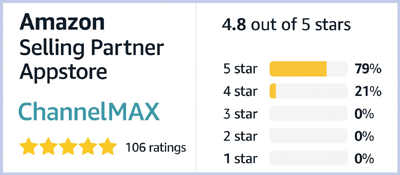
Check ChannelMAX at Amazon Selling Partner Appstore, an application with a 5 star rating.