Walmart Opens Door to Amazon FBA for Marketplace Sellers—with Strict Packaging Rules

New guidelines allow sellers to leverage Amazon’s fulfillment network for Walmart orders, provided all branding is neutral and Amazon delivery is excluded
In a move set to reshape the US ecommerce landscape, Walmart has quietly updated its Shipping & Fulfillment Policy, officially permitting marketplace sellers to use Amazon’s Multi-Channel Fulfillment (MCF) service for Walmart orders—though only under strict conditions. The change is already sparking conversations among sellers and analysts about what it means for the ongoing rivalry between America’s two retail giants.
Key Policy Changes
For years, Walmart preferred sellers to use its own Walmart Fulfillment Services (WFS), third-party logistics providers, or ship directly from their own warehouses. The company was clear: orders arriving in Amazon-branded boxes or via Amazon delivery vans would not be tolerated.
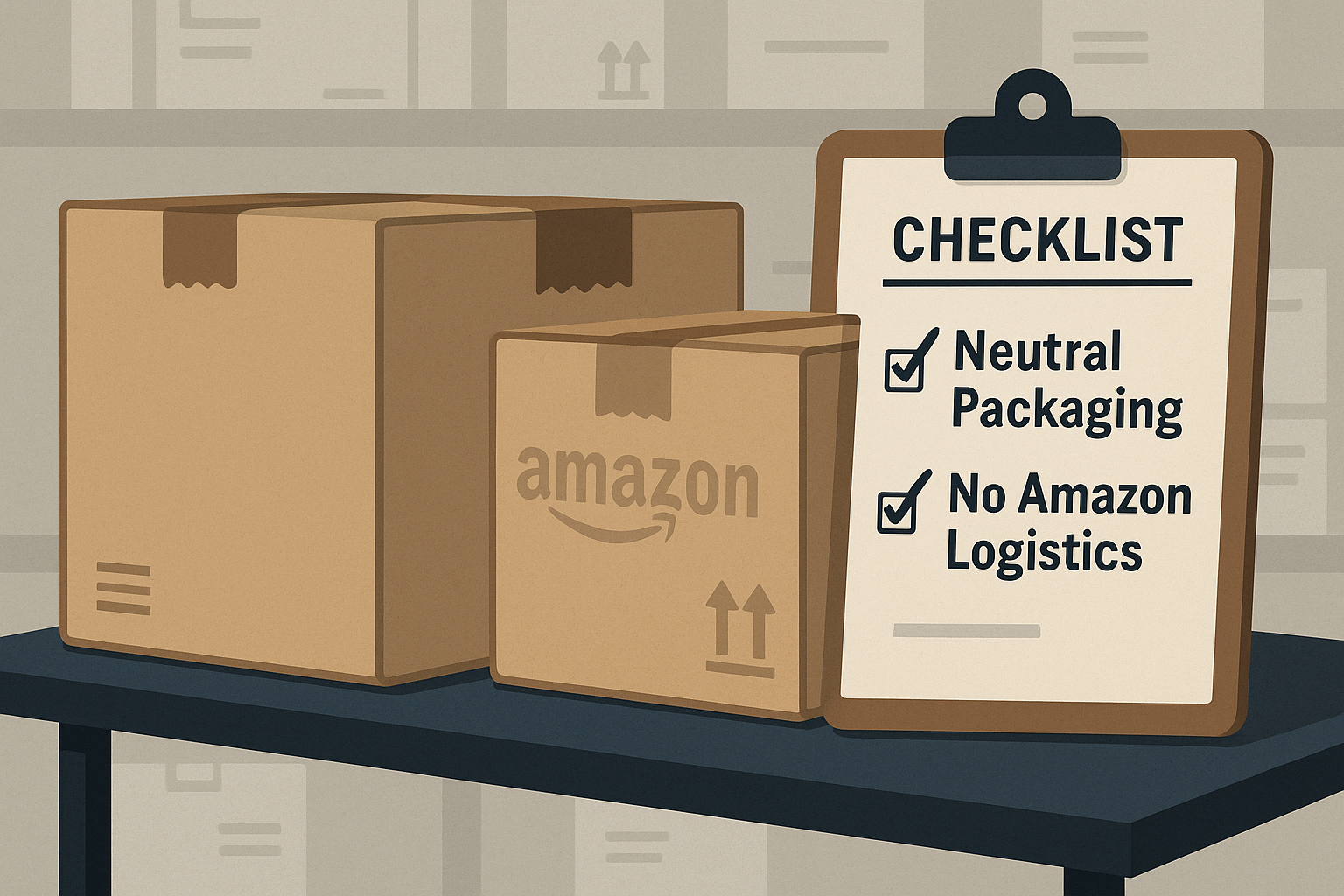
That stance has now softened—at least in part. According to the updated policy, sellers can use Amazon FBA’s Multi-Channel Fulfillment to process Walmart orders, but only if they meet two important requirements:
* Unbranded Packaging: All parcels must be shipped in neutral boxes, without any Amazon logos, trademarks, or branding.
* No Amazon Logistics: Orders must not be delivered by Amazon’s own logistics network. Sellers must exclude Amazon Logistics from their carrier list, opting instead for traditional services like UPS, USPS, or FedEx.
Also Read: Walmart Report Highlights Agentic AI Transforming Retail
The decision reflects the practical needs of online retailers, many of whom manage inventory across multiple platforms. By enabling sellers to use a single fulfillment solution like Amazon FBA, Walmart is acknowledging that streamlining logistics is essential for business growth and efficiency—even if it means partnering with a direct competitor.
* Single Inventory Pool: Sellers can manage stock more efficiently, fulfilling both Amazon and Walmart orders from the same pool.
* No Branding Confusion: Walmart’s strict packaging rules ensure that customers won’t receive orders in Amazon-branded boxes, preserving the distinct identity of each platform.
* Greater Flexibility: Access to Amazon’s robust fulfillment infrastructure gives sellers new options, especially those who might not have access to Walmart’s own WFS in certain regions.
Official Policy in Walmart’s Words
“You may use Multi Channel Fulfillment as long as you ship in neutral packaging using unbranded delivery vehicles, which means neither can display any logos, trademarks or branding of the other retailer.”
Industry watchers say this move marks a pragmatic acceptance of the realities facing today’s ecommerce sellers. Walmart and Amazon may compete fiercely for customers, but the logistics ecosystem is increasingly interconnected. This update also reflects growing seller demand for flexibility, especially as omnichannel retailing becomes the norm.
Key Points at a Glance
* Walmart now allows Amazon FBA Multi-Channel Fulfillment for Walmart orders, but only with unbranded packaging and non-Amazon carriers.
* Sellers must actively exclude Amazon Logistics and use approved services like UPS, USPS, or FedEx.
* The policy update aims to reduce confusion and address practical challenges faced by multichannel sellers.
* Both Walmart and Amazon are recognizing each other’s unique strengths—offline reach versus online fulfillment—and adjusting accordingly.
Walmart’s latest policy shift demonstrates that even the biggest rivals must sometimes cooperate for the sake of sellers and shoppers. By enforcing strict rules around packaging and delivery branding, Walmart can maintain its identity while offering greater logistical flexibility. For marketplace sellers, the update opens up new efficiencies, making it easier to thrive across platforms in an increasingly competitive market.
Also Read: Amazon Unveils Prime Day 2025 Playbook: Seven Steps to Unlock Maximum Savings
Check ChannelMAX at Amazon Selling Partner Appstore, an application with a 5 star rating.
By ChannelMAX Staff Writer
Jun-2025#07
In a move set to reshape the US ecommerce landscape, Walmart has quietly updated its Shipping & Fulfillment Policy, officially permitting marketplace sellers to use Amazon’s Multi-Channel Fulfillment (MCF) service for Walmart orders—though only under strict conditions. The change is already sparking conversations among sellers and analysts about what it means for the ongoing rivalry between America’s two retail giants.
Key Policy Changes
For years, Walmart preferred sellers to use its own Walmart Fulfillment Services (WFS), third-party logistics providers, or ship directly from their own warehouses. The company was clear: orders arriving in Amazon-branded boxes or via Amazon delivery vans would not be tolerated.
That stance has now softened—at least in part. According to the updated policy, sellers can use Amazon FBA’s Multi-Channel Fulfillment to process Walmart orders, but only if they meet two important requirements:
* Unbranded Packaging: All parcels must be shipped in neutral boxes, without any Amazon logos, trademarks, or branding.
* No Amazon Logistics: Orders must not be delivered by Amazon’s own logistics network. Sellers must exclude Amazon Logistics from their carrier list, opting instead for traditional services like UPS, USPS, or FedEx.
Also Read: Walmart Report Highlights Agentic AI Transforming Retail
The decision reflects the practical needs of online retailers, many of whom manage inventory across multiple platforms. By enabling sellers to use a single fulfillment solution like Amazon FBA, Walmart is acknowledging that streamlining logistics is essential for business growth and efficiency—even if it means partnering with a direct competitor.
* Single Inventory Pool: Sellers can manage stock more efficiently, fulfilling both Amazon and Walmart orders from the same pool.
* No Branding Confusion: Walmart’s strict packaging rules ensure that customers won’t receive orders in Amazon-branded boxes, preserving the distinct identity of each platform.
* Greater Flexibility: Access to Amazon’s robust fulfillment infrastructure gives sellers new options, especially those who might not have access to Walmart’s own WFS in certain regions.
Official Policy in Walmart’s Words
“You may use Multi Channel Fulfillment as long as you ship in neutral packaging using unbranded delivery vehicles, which means neither can display any logos, trademarks or branding of the other retailer.”
Industry watchers say this move marks a pragmatic acceptance of the realities facing today’s ecommerce sellers. Walmart and Amazon may compete fiercely for customers, but the logistics ecosystem is increasingly interconnected. This update also reflects growing seller demand for flexibility, especially as omnichannel retailing becomes the norm.
Key Points at a Glance
* Walmart now allows Amazon FBA Multi-Channel Fulfillment for Walmart orders, but only with unbranded packaging and non-Amazon carriers.
* Sellers must actively exclude Amazon Logistics and use approved services like UPS, USPS, or FedEx.
* The policy update aims to reduce confusion and address practical challenges faced by multichannel sellers.
* Both Walmart and Amazon are recognizing each other’s unique strengths—offline reach versus online fulfillment—and adjusting accordingly.
Walmart’s latest policy shift demonstrates that even the biggest rivals must sometimes cooperate for the sake of sellers and shoppers. By enforcing strict rules around packaging and delivery branding, Walmart can maintain its identity while offering greater logistical flexibility. For marketplace sellers, the update opens up new efficiencies, making it easier to thrive across platforms in an increasingly competitive market.
Also Read: Amazon Unveils Prime Day 2025 Playbook: Seven Steps to Unlock Maximum Savings
Disclaimer:
Amazon is the registered trademark of the e-commerce brand.
Walmart is registered trademark of the company.
About ChannelMAX.NET:
ChannelMAX offers Amazon Repricer that runs on the latest AI Repricing algorithm to do Amazon Pricing Management or Amazon Repricing. Based on Amazon SP API, the repricing engine or repricer runs 24/7 and efficiently manages Amazon prices to maximize your BuyBox with profit optimization. Established in 2005, ChannelMAX has been integrated with Amazon technology since 2007, helping thousands of third-party sellers on various eCommerce platforms. Some of the eCommerce platforms, aka marketplaces, supported by ChannelMAX.NET, are Amazon, Walmart, eBay, and Shopify. Some of ChannelMAX key offerings include ChannelMAX Amazon Repricer, 2ndly, ChannelMAX Amazon FBA Audits and FBA Refunds management, an offering for managing Amazon FBA Refunds Reimbursement management for lost or damaged or misplaced inventory for which Amazon is responsible and for which sellers deserve appropriate credit reimbursement from Amazon. ChannelMAX Services offer Remote (aka Virtual) Full-Time eCommerce Assistant to help 3P sellers run their daytoday business. Check ChannelMAX at Amazon Selling Partner Appstore, an application with a 5 star rating.