All About Selling Used Items on Amazon
A step-by-step guide for sellers to list, price, and profit from used products on Amazon.
By ChannelMAX Staff Writer
Sep-2025#09
Selling used items on Amazon is a great way to earn extra money while giving your old products a second life. Many buyers look for affordable options instead of new products because they are often just as good as new, cost less, and can sometimes be rare or unique. This makes the Amazon used goods marketplace a good opportunity for sellers.
On Amazon, you can list a wide range of second-hand items. Popular categories include second-hand books, refurbished electronics, fashion accessories, collectibles, and everyday household items. Each category has its own rules, but overall, Amazon provides sellers the opportunity to reach millions of buyers who are open to buying quality second-hand products.
The process is not difficult, but you need to follow Amazon’s rules and understand their product condition standards. Shoppers depend on these details before buying, so writing accurate descriptions, uploading clear photos, and being honest about any flaws are essential to build trust and get positive reviews.
In this article, we’ll explain everything you need to know about selling used products on Amazon—what categories are allowed, how to list items, the advantages and disadvantages, and tips to improve your sales.
Can You Sell Used Items on Amazon?
Yes, you can sell used items on Amazon, but only in some categories allowed by Amazon. Not every product can be sold as used, and each one must follow Amazon’s condition rules so buyers know exactly what they’re getting.
For example, categories like Books, Electronics, Video Games, DVDs, Music, Home & Kitchen, and Collectibles usually allow used products. But categories such as Beauty, Grocery, Health, and Baby Products mostly allow new items because of safety and hygiene reasons.
When adding a used product, you must choose the right condition. Options include Used – Like New, Very Good, Good, or Acceptable. These labels tell buyers if the item looks almost new, has been lightly used, or has clear signs of being used.
Amazon checks used product listings carefully. Sellers must be honest and give correct details. If you provide false information or sell poor-quality items, you will get negative reviews or even lose your account.
In short, you can sell used items on Amazon, but you need to pick the right categories, follow Amazon rules, and give clear, truthful information about your product.
What Categories Can You Sell Used Items In?
Amazon allows sellers to list used products, but only in specific categories. This is because buyers need to trust that the items are safe, working, and worth the money. Some categories are very popular for used goods, while others are restricted for health and safety reasons. Let’s look at the main categories where you can sell used items:
1. Books
Books are one of the easiest and most popular items to sell used on Amazon. You can list second-hand textbooks, novels, children’s books, and even rare or collectible editions. Many people actually prefer buying used books because they are more affordable than new ones.
2. Electronics
Electronics like laptops, cameras, headphones, and mobile phones can also be sold as used. But Amazon has strict rules. The items must be fully working, tested before listing, and correctly described (for example, “Like New,” “Good,” or “Acceptable”). Missing parts, scratches, or battery health should be mentioned clearly to avoid returns or negative reviews.
3. Video Games & Consoles
Used video games, gaming consoles (like PlayStation, Xbox, or Nintendo), and accessories are in demand. They must include all important parts, like cables and controllers, and be in working condition. Gamers often buy used games to save money, so this has a strong market.
4. Music, Movies & DVDs
Amazon lets you sell used CDs, DVDs, Blu-rays, and even vinyl records. Collectible editions, such as limited releases or signed records, can sell at a higher price. Just make sure the discs are not badly scratched and the cases are in decent condition.
5. Home & Kitchen
Some home and kitchen items, like small appliances (blenders, coffee makers, toasters) or tools, can be sold used if they are safe, clean, and working properly. For example, a second-hand mixer in good condition is fine, but items with missing blades or unsafe wiring are not allowed.
6. Collectibles
This category covers things like coins, stamps, toys, trading cards, and sports items. These must be authentic and properly described. Collectors often pay more for rare or limited items, even if they are used, as long as the condition is clearly explained.
7. Musical Instruments
Amazon allows second-hand guitars, keyboards, drums, violins, and other instruments. Accessories like pedals, stands, and amplifiers can also be listed. Many musicians look for pre-owned instruments to save money.
8. Office Products
Items such as printers, shredders, or calculators can be sold used if they are tested and working. Buyers often choose pre-owned office equipment for cost savings.
9. Camera & Photo Gear
Amazon has a strong market for used professional cameras, lenses, and accessories. Since these are high-value products, it’s important to give detailed descriptions, photos, and condition notes.
10. Industrial & Scientific Equipment
Certain lab tools, machinery, or scientific instruments can be listed second-hand if they are safe and functional.
11. Tools & Home Improvement
You can sell used tools like drills, saws, or other power/hand tools, as long as they’re safe, in working condition, and include necessary parts.
12. Amazon Renewed (Refurbished Electronics)
If you qualify, you can join Amazon’s Renewed program to sell refurbished items like smartphones, tablets, and laptops. These must look and work “like new” and usually come with a warranty.
Restricted Categories
Some product types can only be sold as new on Amazon. For safety and hygiene reasons, categories like Beauty, Grocery, Baby Products, and Health & Personal Care usually require items to be sold new only. For example, you cannot sell a used baby bottle, skincare cream, or vitamins.
Amazon Categories You Can’t Sell as Used
Amazon allows the sale of used items in many categories, but some categories do not allow used products. This is to maintain customer safety and trust. Sellers should avoid listing used items in these categories, as their listings could be removed or their seller account could get suspended.
Here are the main categories where used items are not allowed:
1. Baby Products
Items like baby bottles, pacifiers, breast pumps, and car seats must be new for safety and hygiene. These products directly affect a baby’s health and safety, so Amazon does not allow them to be sold as used. Baby clothes can be sold as used only if they are in the Apparel category.
2. Grocery & Food
All food and drinks must be new, sealed, and not expired. Used or opened food is not allowed due to health and safety risks.
3. Health & Personal Care
Products like vitamins, supplements, skincare, makeup, toothbrushes, and medical devices must be new. Used items are not allowed. Using these items can carry health risks, so they must always be brand new and unopened.
4. Beauty Products
Cosmetics, lotions, perfumes, and similar items must be new for hygiene reasons. Opened or previously used items could cause infections or allergic reactions, which is why Amazon does not allow used listings in this category.
5. Pet Food
All pet food (dry food, wet food, and treats) must be new and sealed. Opened or used products are not allowed.
6. Digital Software & Codes
Downloadable software, activation keys, or digital licenses must be new and unused. Once a code is activated or shared, it cannot be resold.
7. Hygiene & Intimate Products
Items such as razors, undergarments, personal care devices, and other hygiene-related products cannot be sold as used due to safety and sanitation issues.
In short, if a product is related to health, safety, hygiene, or is consumable, it usually cannot be sold as used on Amazon. Always check Amazon’s category guidelines before listing to avoid penalties and ensure customer trust.
Amazon’s Guidelines for Selling Used Items
When you sell a used item on Amazon, you must describe its condition accurately. This helps buyers know exactly what they are buying, which builds trust, reduces complaints, and lowers the chances of returns. Amazon has clear rules for how sellers should list used items. These rules are divided into four main categories, each showing a different level of used products.
1. Used – Like New
a. These items are almost the same as brand new.
b. They may have been opened, but do not show any signs of use.
c. The product must be in perfect working condition.
d. The original box, manuals, and accessories should be included and in good shape.
e. Example: A laptop that was unboxed but never actually used, still with the charger and manual inside.
This condition is for buyers who expect a product that looks fresh out of the store.
2. Used – Very Good
a. These products have been used lightly but still look very nice.
b. There may be small marks like tiny scratches or slight wear, but nothing much that affects performance.
c. The item must be fully functional.
d. The original packaging may be missing or damaged, but the product must be complete.
e. Example: A camera with a very small scratch on the body, but the lens and functions work perfectly.
This condition tells buyers they are getting a high-quality product that has been used only lightly.
3. Used – Good
a. These items show clear signs of use, such as scratches or small dents.
b. Despite the wear, the product still works properly.
c. Some accessories, like manuals, cables, or cases, might not be included.
d. Example: A smartphone with visible scratch marks on the back, but it functions perfectly for calls, apps, and internet use.
This category is for buyers who don’t mind outer flaws as long as the product functions properly.
4. Used – Acceptable
a. This is the lowest quality level Amazon allows.
b. The item is clearly worn and may have visible damage such as dents, faded colors, or torn covers.
c. Some parts or accessories may be missing, but the item itself should still work.
d. Example: A book with bent corners or torn pages, or a DVD that plays fine but without its original case.
For this category, buyers will expect visible signs of wear, but it should still work.
Important Note:
You cannot sell items on Amazon that are broken, unsafe, or incomplete beyond what Amazon allows. For example, a phone that does not power on or a toy missing key parts cannot be listed as "used." Sellers must be honest about the condition of their items. If a seller misleads buyers, Amazon may remove their listings or even suspend their account. Being clear and accurate when listing used items not only keeps your account safe but also makes customers trust your store and come back for future purchases.
Steps to Sell Used Items on Amazon
Selling used items on Amazon is a great way to earn extra money while decluttering your home. With millions of active shoppers, Amazon gives your products a huge audience. To succeed, you need to follow the process carefully and provide buyers with a trustworthy shopping experience. Below are the steps explained in detail.
1. Open a Seller Account
The very first step is creating an Amazon Seller account. This is where you’ll manage your listings, track orders, and handle payments. Go to Amazon Seller Central and sign up. You have two options:
a. Individual Plan – Free to join, but you pay $0.99 for every item sold. This is good if you sell only a few items each month.
b. Professional Plan – $39.99 per month (plus selling fees). This plan is best if you plan to sell many items every month. This plan gives access to advanced selling tools, bulk listing, advertising options, and reports.
Tip: Start with the Individual plan if you just want to test selling used items. If you notice consistent sales, you can easily upgrade later.
2. Pick the Right Category
Not everything can be sold as used on Amazon. Amazon has strict rules to protect customers. Some categories, like Books, DVDs, Electronics, Video Games, Musical Instruments, and Tools, usually allow used items. However, sensitive categories like Grocery, Health, Beauty, Baby Products (with a few exceptions) don’t allow second-hand items because of safety and hygiene concerns.
Tip: Always double-check Amazon’s condition guidelines for your product category before listing. Violating the rules can lead to account suspension.
3. List Your Item
After choosing a category, you can list your product for sale:
a. Search for your product on Amazon using its ASIN (Amazon Standard Identification Number), UPC, or simply by name.
b. When you find the product page, click “Sell on Amazon.”
c. Fill in details like product condition (Like New, Very Good, Good, or Acceptable), price, shipping method (whether you ship it yourself or let Amazon ship it for you).
Amazon automatically uses its existing product catalog, so you don’t need to create a new page unless your product isn’t already listed.
Tip: Make sure you choose the exact product and edition (for example, a specific book version) to avoid confusion.
4. Describe the Condition Honestly
Honesty is key when selling used items. Buyers want to know exactly what they are getting. Amazon gives you standard condition labels:
a. Like New: Almost perfect, looks unused. Original packaging may be open.
b. Very Good: Used but well cared for. Minimal wear, fully working.
c. Good: Clear signs of use but still functional. May have scratches or wear.
d. Acceptable: Heavily used, possible damage, but still works.
Example:
a. A book with no writing inside but a slightly bent cover — Very Good
b. A smartphone with visible scratches and no charger — Good
Tip: Always mention missing parts (like cables or manuals) or defects. Being transparent reduces the chances of returns and bad reviews.
5. Add Photos (Optional but Highly Recommended)
Even though Amazon shows a default product image, adding real photos of your actual item builds trust.
a. Use natural lighting and take photos from different angles.
b. Highlight any flaws (scratches, dents, etc.) so buyers know exactly what to expect.
c. For books, show the front cover, back cover, and sample inside pages.
d. For electronics, show the screen, body, and accessories included.
Tip: Good photos can make your listing stand out against others selling the same item.
6. Set a Fair Price
Pricing can make or break your sale. If you price too high, buyers will pick cheaper options. If you price too low, you lose profit.
Steps to set the right price:
a. Check what other sellers are charging for the same product in similar condition.
b. Consider the demand—if the item is rare, you may be able to charge more.
c. Balance condition with price. For example, “Like New” items can be priced close to retail, while “Acceptable” items should be priced lower.
Tip: Don’t forget Amazon’s fees (referral fee, shipping, FBA charges if used). Always calculate your profit after fees.
7. Decide on Shipping & Fulfillment
Amazon offers two fulfillment options:
a. FBM (Fulfilled by Merchant):
i) You store the item and ship it when it sells.
ii) Lower costs, and you get more control over packaging and shipping speed.
iii) Best for low-volume sellers.
b. FBA (Fulfilled by Amazon):
i) You send the product to Amazon’s warehouse, and they ship it to customers.
ii) Your item becomes eligible for Prime, which attracts more buyers.
iii) Comes with storage and fulfillment fees.
Tip: If you’re selling books or second-hand items, FBM is usually cheaper. If you’re selling many items or want Prime visibility, FBA is worth it.
Also Read: Amazon FBA vs FBM: Which Fulfillment Method Is Right for You?
8. Provide Excellent Customer Service
Customer service doesn’t end after listing your product. How you handle buyers will directly impact your seller rating.
Best practices:
a. Reply to buyer questions quickly.
b. Pack items safely and ship on time.
c. Provide tracking information.
d. Handle returns politely and fairly.
Good reviews improve your seller reputation, while negative reviews can hurt future sales.
Pros of Selling Used Items on Amazon
1. Low Costs to Start
You don’t need a big budget to start selling used items. Unlike private label or wholesale businesses, there’s no need to spend thousands of dollars on bulk inventory. Many sellers simply start by looking around their homes for books, electronics, or clothes they no longer use. Others visit thrift stores, garage sales, or clearance outlets to find products at very low prices. This makes it easy for almost anyone to begin selling without much financial risk.
2. Access to Amazon’s Huge Customer Base
Amazon is one of the world’s largest online marketplaces, with millions of shoppers visiting daily. A large portion of these buyers specifically look for used items because they want affordable deals. For example, college students often search for used textbooks, parents look for second-hand toys, and collectors hunt for rare finds.
By selling on Amazon, you get access to this huge audience without the need to build your own website or customer base.
3. Higher Profit Margin on Certain Products
When chosen carefully, used items can bring higher profits than new ones. For example, a rare book bought for $2 at a thrift store could sell for $30 on Amazon. Similarly, discontinued electronics or vintage video games can attract buyers who are willing to pay extra since these items are no longer sold in stores. If you research properly and pick the right products, your profit margins can be very high.
4. Better for the Environment
Selling used products is a form of recycling and sustainability. Instead of letting items end up in landfills, reselling gives them a second life. This reduces waste, saves resources, and supports a sustainable lifestyle. Nowadays, many customers care about eco-friendly shopping and prefer buying second-hand items to reduce their carbon footprint.
Promoting your store as environmentally friendly can help you attract environmentally conscious customers and also stand out from other sellers.
5. Faster Sales
Many used items are one-of-a-kind, which creates urgency among buyers. For example, if someone is searching for a specific book edition or a rare collectible, and they know it might not be available again soon, they’re more likely to buy it immediately. This quick decision-making often means faster sales, and your inventory doesn’t sit in storage for months. Faster sales also mean faster cash flow, which you can reinvest in buying more stock.
6. Great for Beginners
Selling used items is a simple and safe way for new sellers to learn the basics of how Amazon works. You’ll gain experience with creating product listings, setting prices, shipping orders, and handling customer service. Since you’re not investing large sums of money, mistakes won’t cost too much. Once you get comfortable with the system, you can expand into other models like wholesale or private label products.
Cons and Challenges of Selling Used Items on Amazon
1. Limited Categories Allowed
You can’t sell used items in every category. For example, beauty, grocery, and baby products are not allowed. This reduces your options and limits the types of customers you can reach. For example, you can sell a used book or phone, but not a used body lotion. If most of your stock falls under these restricted categories, your sales will be limited.
2. Strict Condition Guidelines
Amazon wants sellers to be very clear about the condition of the item (like “Used – Like New” or “Used – Very Good”). If you don't describe it correctly, buyers may leave bad reviews or Amazon may suspend your account. For example, if you list a scratched phone as “Like New,” the buyer will complain. You must check every product carefully and be honest about dents, scratches, or missing parts.
3. More Chances of Returns
Buyers are often unsure about used products. If they feel the item doesn’t match the description, they may return it or ask for a refund. For example, a customer may return a used blender if it looks older than expected. Handling returns takes time and money, and too many returns can impact your seller ratings. Some buyers also compare used items to new ones, which makes them extra careful.
4. Lower Price Competition
Customers usually expect used items to be much cheaper than new ones. This makes it more challenging to set prices and still make a good profit. For example, if a new book costs $15, buyers may only want to pay $5 for a used one. You may need to lower your price to attract buyers, which can cut into your earnings. Competing with sellers who list at very low prices can be stressful.
5. Difficult to Manage Inventory
Used items are mostly one-of-a-kind. Unlike wholesale or private label products, you can’t just restock the same item. Once it’s sold, it’s gone. For example, if you sell a second-hand camera, you can’t list the same model again unless you find another one. This makes it harder to grow your business and keep a steady flow of products available. You always need to spend extra time finding new items to list.
6. Risk to Your Account
If Amazon finds fake, unsafe, or wrongly listed used products, it may remove your listings or even suspend your account. The risk is higher if the items aren’t sourced carefully or if buyers complain about quality. For example, if you sell a used electronic item that doesn’t work, Amazon may flag your account. One mistake can damage your reputation, and it can take a long time to recover from an account suspension.
Tips for Selling Used Items Successfully on Amazon
Selling used products on Amazon is not just about creating a listing—it’s about making your items stand out, gaining buyer trust, and building steady sales. Here are some detailed tips to help you succeed:
1. Be Honest About the Item
Honesty is the key to keeping buyers happy. Always describe your product exactly as it is. If your product has wear and tear, describe it clearly. For example:
a. If a book cover is bent or pages are yellowed, mention it.
b. If an electronic item has scratches but works fine, explain that.
Buyers appreciate transparency, and being clear reduces the chances of returns or negative feedback. Remember, customers would rather know the flaws before buying than be surprised later.
2. Choose Items Wisely
Not all used items sell well. Focus on things people often search for (that are in demand), such as books, electronics, video games, branded fashion, and collectibles. Good places to find products include:
a. Garage and yard sales – Cheap finds that can be resold for higher prices.
b. Thrift stores – Often have unique or rare items like out-of-print books or gadgets.
c. Library sales – Perfect for books in good condition.
d. Liquidation or clearance sales – get brand-name products at huge discounts.
Do some quick research before buying. Check if the product is listed on Amazon, see its sales rank, and look at past prices using tools like Amazon’s Best Sellers Rank (BSR). This way, you don’t waste money on products that won’t sell.
Also Read: Amazon Best Sellers Rank (BSR): Everything You Need to Know
3. Write Clear Condition Notes
Amazon gives sellers a space to describe the condition of their item. Don’t just say “Good condition.” Instead, give details that help the buyer understand exactly what to expect. For example:
a. “Slight shelf wear on cover, pages are clean, no notes or highlights, ships within 24 hours.”
b. “Box opened but item unused, all accessories included, warranty card missing.”
These small details show professionalism. Buyers feel confident when they know exactly what to expect. Clear condition notes help reduce returns and complaints.
4. Price Smartly
Pricing can make or break your sales. Even a small price difference can attract a buyer to your listing over someone else’s. To set the right price:
a. Regularly check competitor prices for similar used items.
b. Use repricing tools like ChannelMAX Repricer to adjust your price automatically based on market changes.
c. Don’t underprice too much. The lowest price doesn’t always win—the combination of price, shipping speed, and good feedback matters.
Finding the right balance between competitive and profitable is what makes your business grow.
5. Ship Fast and Safely
Buyers love quick delivery. Shipping plays a big role in good reviews and repeat business. The faster the product reaches them, the happier they’ll be. To impress buyers:
a. Pack items carefully to avoid damage. Use bubble wrap, sturdy boxes, or padded envelopes.
b. Ship within 24 hours if possible (ideally the same day or next day).
c. If you ship yourself (FBM), always add tracking so buyers feel secure.
d. Consider Fulfillment by Amazon (FBA) for faster shipping and better chances of winning the Buy Box.
Safe packaging also reduces damage, which means fewer returns and refunds.
6. Earn Good Reviews
Good reviews build your reputation and increase sales. To get positive feedback:
a. Make sure your description matches the product.
b. Deliver on time or earlier than expected.
c. Package items neatly or add a thank-you note inside the package.
d. Provide quick, friendly responses to any questions or concerns.
Over time, reviews will not only attract more buyers but also increase your chances of winning the Buy Box, even when selling used items.
7. Know the Rules
Not every product category allows used items. For example, you cannot sell used items in categories like Grocery, Health & Beauty, or Baby Products. Selling in these restricted categories can result in account warnings or even suspension. Always double-check Amazon’s guidelines before listing. Staying compliant protects your account and keeps your business safe.
To wrap up, selling used items on Amazon is a good way to earn extra money or even start a small business. If you follow Amazon’s rules, give clear and honest details about your products, and set fair prices, you can gain customer trust and make regular sales.
From old books to used gadgets, Amazon gives you a big marketplace and the right buyers to turn your items into profit. With the right approach, selling used items can grow from a side hustle into a steady income source, helping you make the most out of things that are no longer needed.
Also Read: Amazon Advertising Campaign: A Complete Guide to Maximizing Sales
Disclaimer:
Amazon is the registered trademark of the e-commerce brand.
About ChannelMAX.NET:
ChannelMAX offers Amazon Repricer that runs on the latest AI Repricing algorithm to do Amazon Pricing Management or Amazon Repricing. Based on Amazon SP API, the repricing engine or repricer runs 24/7 and efficiently manages Amazon prices to maximize your BuyBox with profit optimization. Established in 2005, ChannelMAX has been integrated with Amazon technology since 2007, helping thousands of third-party sellers on various eCommerce platforms. Some of the eCommerce platforms, aka marketplaces, supported by ChannelMAX.NET, are Amazon, Walmart, eBay, and Shopify. Some of ChannelMAX key offerings include ChannelMAX Amazon Repricer, 2ndly, ChannelMAX Amazon FBA Audits and FBA Refunds management, an offering for managing Amazon FBA Refunds Reimbursement management for lost or damaged or misplaced inventory for which Amazon is responsible and for which sellers deserve appropriate credit reimbursement from Amazon. ChannelMAX Services offer Remote (aka Virtual) Full-Time eCommerce Assistant to help 3P sellers run their daytoday business.
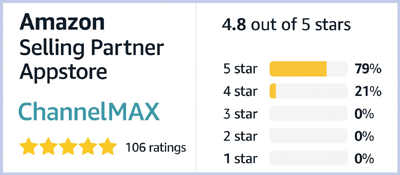
Check ChannelMAX at Amazon Selling Partner Appstore, an application with a 5 star rating.