Amazon adds ASIN inclusion control to FBA Grade and Resell program
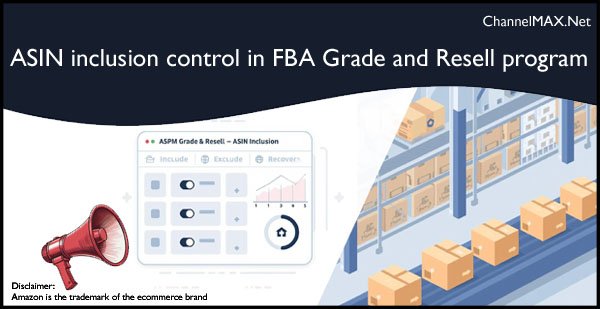
New option lets US FBA sellers handpick high-value returns for resale and track recovery through the Returns and Recovery dashboard in Seller Central
Amazon has introduced a new ASIN Inclusion feature for its FBA Grade and Resell program, giving US FBA sellers more direct control over which returned products are prepared for resale. The change was announced in an update on Seller Central, where Amazon said the feature is designed to help sellers turn more returns into revenue while managing risk and inventory more carefully.
What FBA Grade and Resell does
FBA Grade and Resell is a value-recovery program for Fulfilment by Amazon sellers. Instead of sending returned items back to the seller, disposing of them, or liquidating them at a steep discount, eligible returns are inspected in Amazon’s fulfillment centers. If they can be resold, Amazon grades them into used conditions such as Like New, Very Good, Good or Acceptable, and lists them back on the marketplace as used offers under the seller’s name.
Sellers set pricing rules for each condition level and pay a flat processing fee per unit when items are relisted. These fees vary by size and weight, and there is no processing fee if an item is graded as unsellable. The program is currently available in several marketplaces, including the United States, United Kingdom, France, Germany, Italy and Spain.
New ASIN Inclusion feature: opt in instead of opt out
Until now, many sellers treated Grade and Resell as a broad setting, often enrolling wide parts of their catalogue and then excluding certain ASINs. The new ASIN Inclusion feature reverses that logic for US FBA sellers. Instead of enrolling everything and opting out select products, sellers can now specifically choose which ASINs will be included in Grade and Resell.
According to Amazon’s announcement, sellers can handpick up to 2,000 ASINs for inclusion in the program. This opt-in approach is aimed at giving sellers “finer control” over which items are graded, processed and resold as used inventory, helping them focus on the SKUs that are most likely to recover value.
Which products make the most sense to include
Amazon’s Seller Central update highlights that the ASIN Inclusion feature is especially useful for products that are:
1. Highly returned but still durable
2. Less sensitive to fashion trends or seasonality
3. Fast-moving with steady demand
In practice, this might include items such as everyday electronics accessories, home and kitchen tools, basic apparel, luggage, shoes or other products that can handle a second life with minor wear. Recent Grade and Resell updates expanded the program to cover categories like watches, jewellery, luggage, shoes and apparel, which also increases the range of products that can benefit from the new inclusion control.
External guidance from service providers that track the program suggests that sellers may get the best results by focusing on items with an average selling price above about 13 US dollars. Above that price point, the recovery value after fees is more likely to be positive.
Tracking recovery in the Returns and Recovery dashboard
Amazon is tying the ASIN Inclusion feature closely to its Returns and Recovery dashboard in Seller Central. Once a seller has selected the ASINs they want to include, they can use this dashboard to:
1. Monitor how many units of each ASIN are being graded and resold
2. Track recovery rates and compare recovered revenue against the original selling price
3. Watch return patterns to see which ASINs are driving the most activity
Because the program works at ASIN level, sellers can make data-driven decisions over time. If a product continues to generate strong recovery and sells quickly as used, the seller may choose to include more related ASINs. If an ASIN leads to low recovery or a high share of unsellable grades, it can be removed from inclusion and handled through other options such as liquidations, removal orders or donations.
Part of a wider Grade and Resell refresh
The ASIN Inclusion control is part of a broader series of improvements to FBA Grade and Resell. In the same round of updates, Amazon expanded supported categories and introduced an automatic out-of-stock SKU removal feature. When enabled, this setting automatically removes out-of-stock items from the inventory management view so sellers only see active, sellable listings, which can simplify day-to-day inventory work. Together, these changes are meant to streamline how sellers handle returns, while increasing the share of items that can be resold instead of written off or destroyed.
What the change means for shoppers
For Amazon customers, the ASIN Inclusion feature should translate into more consistent and better curated used offers. When sellers deliberately choose ASINs for Grade and Resell based on durability and steady demand, the pool of used inventory becomes more predictable.
Shoppers are more likely to find:
1. Used products in popular categories such as apparel, shoes and travel goods at lower prices
2. Clear condition descriptions that match what arrives at the doorstep
3. A wider range of “Like New” and “Very Good” items that still perform as expected
Because more returned items are kept in circulation instead of being discarded, the update also supports Amazon’s wider sustainability goals and responds to growing buyer interest in secondhand deals.
How sellers can get started
To use the new feature, eligible US FBA sellers first need to be enrolled in FBA Grade and Resell through their FBA settings in Seller Central, under Automated unfulfillable settings. Once the program is active, they can move to the Returns and Recovery or related Grade and Resell settings page to select ASINs for inclusion.
From there, they can:
1. Start with a small set of high-return, durable ASINs
2. Set recovery-price rules for different used conditions
3. Review performance in the Returns and Recovery dashboard and adjust the ASIN list regularly
This step-by-step approach lets sellers test the impact of ASIN Inclusion without taking on too much risk at once.
By adding ASIN-level inclusion to FBA Grade and Resell, Amazon is giving US FBA sellers more control over how they handle customer returns, and more flexibility to turn those returns into revenue instead of waste. The update, announced on Seller Central, lets sellers handpick the ASINs that make the most financial and operational sense, track performance in the Returns and Recovery dashboard and adjust their strategy over time.
For shoppers, the move promises more fairly priced used deals and clearer condition information. For sellers, it is another step towards a more data-driven and sustainable returns strategy inside Amazon’s fulfilment network.
Also Read: Amazon highlights Revenue Calculator to help sellers plan for 2026 fees
Disclaimer:
Amazon is the registered trademark of the e-commerce brand.
About ChannelMAX.NET
ChannelMAX offers Amazon Repricer that runs on the latest AI Repricing agents to do Amazon Pricing Management or Amazon Repricing. Based on Amazon SP API, the repricing engine or repricer runs 24/7 and efficiently manages Amazon prices to maximize your BuyBox with profit optimization. Established in 2005, ChannelMAX has been integrated with Amazon technology since 2007, helping thousands of third-party sellers on various eCommerce platforms. Some of the eCommerce platforms, aka marketplaces, supported by ChannelMAX.NET, are Amazon, Walmart, eBay, and Shopify. Some of ChannelMAX key offerings include ChannelMAX Amazon Repricer, 2ndly, ChannelMAX Amazon FBA Audits and FBA Refunds management, an offering for managing Amazon FBA Refunds Reimbursement management for lost or damaged or misplaced inventory for which Amazon is responsible and for which sellers deserve appropriate credit reimbursement from Amazon. ChannelMAX Services offer Remote (aka Virtual) Full-Time eCommerce Assistant to help 3P sellers run their daytoday business.
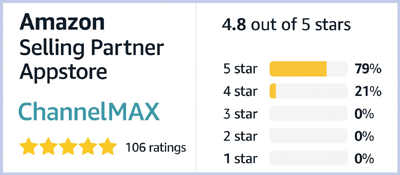
Check ChannelMAX at Amazon Selling Partner Appstore, an application with a 5 star rating.
By ChannelMAX Staff Writer
Dec-2025#03
Amazon has introduced a new ASIN Inclusion feature for its FBA Grade and Resell program, giving US FBA sellers more direct control over which returned products are prepared for resale. The change was announced in an update on Seller Central, where Amazon said the feature is designed to help sellers turn more returns into revenue while managing risk and inventory more carefully.
What FBA Grade and Resell does
FBA Grade and Resell is a value-recovery program for Fulfilment by Amazon sellers. Instead of sending returned items back to the seller, disposing of them, or liquidating them at a steep discount, eligible returns are inspected in Amazon’s fulfillment centers. If they can be resold, Amazon grades them into used conditions such as Like New, Very Good, Good or Acceptable, and lists them back on the marketplace as used offers under the seller’s name.
Sellers set pricing rules for each condition level and pay a flat processing fee per unit when items are relisted. These fees vary by size and weight, and there is no processing fee if an item is graded as unsellable. The program is currently available in several marketplaces, including the United States, United Kingdom, France, Germany, Italy and Spain.
New ASIN Inclusion feature: opt in instead of opt out
Until now, many sellers treated Grade and Resell as a broad setting, often enrolling wide parts of their catalogue and then excluding certain ASINs. The new ASIN Inclusion feature reverses that logic for US FBA sellers. Instead of enrolling everything and opting out select products, sellers can now specifically choose which ASINs will be included in Grade and Resell.
According to Amazon’s announcement, sellers can handpick up to 2,000 ASINs for inclusion in the program. This opt-in approach is aimed at giving sellers “finer control” over which items are graded, processed and resold as used inventory, helping them focus on the SKUs that are most likely to recover value.
Which products make the most sense to include
Amazon’s Seller Central update highlights that the ASIN Inclusion feature is especially useful for products that are:
1. Highly returned but still durable
2. Less sensitive to fashion trends or seasonality
3. Fast-moving with steady demand
In practice, this might include items such as everyday electronics accessories, home and kitchen tools, basic apparel, luggage, shoes or other products that can handle a second life with minor wear. Recent Grade and Resell updates expanded the program to cover categories like watches, jewellery, luggage, shoes and apparel, which also increases the range of products that can benefit from the new inclusion control.
External guidance from service providers that track the program suggests that sellers may get the best results by focusing on items with an average selling price above about 13 US dollars. Above that price point, the recovery value after fees is more likely to be positive.
Tracking recovery in the Returns and Recovery dashboard
Amazon is tying the ASIN Inclusion feature closely to its Returns and Recovery dashboard in Seller Central. Once a seller has selected the ASINs they want to include, they can use this dashboard to:
1. Monitor how many units of each ASIN are being graded and resold
2. Track recovery rates and compare recovered revenue against the original selling price
3. Watch return patterns to see which ASINs are driving the most activity
Because the program works at ASIN level, sellers can make data-driven decisions over time. If a product continues to generate strong recovery and sells quickly as used, the seller may choose to include more related ASINs. If an ASIN leads to low recovery or a high share of unsellable grades, it can be removed from inclusion and handled through other options such as liquidations, removal orders or donations.
Part of a wider Grade and Resell refresh
The ASIN Inclusion control is part of a broader series of improvements to FBA Grade and Resell. In the same round of updates, Amazon expanded supported categories and introduced an automatic out-of-stock SKU removal feature. When enabled, this setting automatically removes out-of-stock items from the inventory management view so sellers only see active, sellable listings, which can simplify day-to-day inventory work. Together, these changes are meant to streamline how sellers handle returns, while increasing the share of items that can be resold instead of written off or destroyed.
What the change means for shoppers
For Amazon customers, the ASIN Inclusion feature should translate into more consistent and better curated used offers. When sellers deliberately choose ASINs for Grade and Resell based on durability and steady demand, the pool of used inventory becomes more predictable.
Shoppers are more likely to find:
1. Used products in popular categories such as apparel, shoes and travel goods at lower prices
2. Clear condition descriptions that match what arrives at the doorstep
3. A wider range of “Like New” and “Very Good” items that still perform as expected
Because more returned items are kept in circulation instead of being discarded, the update also supports Amazon’s wider sustainability goals and responds to growing buyer interest in secondhand deals.
How sellers can get started
To use the new feature, eligible US FBA sellers first need to be enrolled in FBA Grade and Resell through their FBA settings in Seller Central, under Automated unfulfillable settings. Once the program is active, they can move to the Returns and Recovery or related Grade and Resell settings page to select ASINs for inclusion.
From there, they can:
1. Start with a small set of high-return, durable ASINs
2. Set recovery-price rules for different used conditions
3. Review performance in the Returns and Recovery dashboard and adjust the ASIN list regularly
This step-by-step approach lets sellers test the impact of ASIN Inclusion without taking on too much risk at once.
By adding ASIN-level inclusion to FBA Grade and Resell, Amazon is giving US FBA sellers more control over how they handle customer returns, and more flexibility to turn those returns into revenue instead of waste. The update, announced on Seller Central, lets sellers handpick the ASINs that make the most financial and operational sense, track performance in the Returns and Recovery dashboard and adjust their strategy over time.
For shoppers, the move promises more fairly priced used deals and clearer condition information. For sellers, it is another step towards a more data-driven and sustainable returns strategy inside Amazon’s fulfilment network.
Also Read: Amazon highlights Revenue Calculator to help sellers plan for 2026 fees
Disclaimer:
Amazon is the registered trademark of the e-commerce brand.
About ChannelMAX.NET
ChannelMAX offers Amazon Repricer that runs on the latest AI Repricing agents to do Amazon Pricing Management or Amazon Repricing. Based on Amazon SP API, the repricing engine or repricer runs 24/7 and efficiently manages Amazon prices to maximize your BuyBox with profit optimization. Established in 2005, ChannelMAX has been integrated with Amazon technology since 2007, helping thousands of third-party sellers on various eCommerce platforms. Some of the eCommerce platforms, aka marketplaces, supported by ChannelMAX.NET, are Amazon, Walmart, eBay, and Shopify. Some of ChannelMAX key offerings include ChannelMAX Amazon Repricer, 2ndly, ChannelMAX Amazon FBA Audits and FBA Refunds management, an offering for managing Amazon FBA Refunds Reimbursement management for lost or damaged or misplaced inventory for which Amazon is responsible and for which sellers deserve appropriate credit reimbursement from Amazon. ChannelMAX Services offer Remote (aka Virtual) Full-Time eCommerce Assistant to help 3P sellers run their daytoday business.
Check ChannelMAX at Amazon Selling Partner Appstore, an application with a 5 star rating.