Amazon Brand Analytics: Unlock Data-Driven Growth for Your Brand
A comprehensive guide to unlocking customer insights, boosting sales, and staying ahead of competitors using Amazon Brand Analytics
By ChannelMAX Staff Writer
Apr-2025#21
In today’s online shopping world, having good products is not enough. Sellers also need the right data to make smart decisions. Amazon Brand Analytics (ABA) is a helpful tool for brand-registered sellers that gives detailed information about what customers are searching for, customer behavior, and how other brands are performing.
In this article, we’ll explain what Amazon Brand Analytics is, how it works, and how you can use it to grow your business on Amazon.
What Is Amazon Brand Analytics?
Amazon Brand Analytics is a free analytics tool available within Seller Central to sellers enrolled in the Amazon Brand Registry. It gives detailed information about what customers do on Amazon—like what they search for, which products they look at, and what they buy. Using this tool, brand owners can make smarter decisions regarding marketing, product listings, and inventory based on actual Amazon customer data.
This tool helps you understand:
a. What search terms are customers using?
b. Which products are they viewing and comparing?
c. What items they end up buying?
d. Who are your buyers (age, gender, location, etc.)?
This tool takes all the customer data and turns it into helpful information. It helps you to improve product visibility, increase conversion rates, and stay ahead of your competition. In short, Amazon Brand Analytics helps you make smarter choices to grow your business.
Who Can Access Amazon Brand Analytics?
Amazon Brand Analytics is available only for brand-registered sellers on the Amazon platform. To access this tool, you need to enroll in the Amazon Brand Registry. Doing this verifies that you are the owner of your brand or an authorized representative of a registered trademark.
Once your brand is approved, you can find ABA inside your Amazon Seller Central or Vendor Central account, depending on your selling model. It’s accessible to both first-party vendors (those selling directly to Amazon) and third-party sellers (those selling on Amazon’s marketplace), as long as they meet the brand ownership requirement.
If you haven’t joined the Brand Registry yet, this is a great reason to do it. It not only gives you access to advanced analytics like ABA but also gives you access to brand protection tools, A+ Content, Sponsored Brand Ads, and more. All of these tools will help grow your brand presence on Amazon.
Key Features of Amazon Brand Analytics
1. Amazon Search Terms Report
This report shows what words people often type in the Amazon search bar. It also tells you how your product ranks when people search using those words. For example, if you sell water bottles, it might show that “leak-proof water bottle” is a popular search, and whether your product shows up near the top for that term.
You can use this report to find popular keywords and add them to your product title, description, and bullet points. This helps more buyers find your product. You can also see which of your competitors are ranking well. If they have better photos, more reviews, or lower prices, you can improve your product listing to compete better.
2. Demographics Report
This report tells you who your customers are. It shows their age group, gender, education, income level, and whether they are married. This helps you understand the kind of people who are most interested in your product.
With this info, you can make your product listings and ads more appealing to your target audience. For example, if your buyers are mostly young adults, you can use trendy, lifestyle-based pictures and casual language. If they are older or more professional, use a clean, formal style. You can also use this data to target your Amazon ads better.
3. Item Comparison Report
This report shows which other products people looked at along with yours before making a decision. It helps you see who your main competitors are and what other products buyers are thinking about before they decide.
You can use this report to understand why shoppers may pick another product over yours. It could be due to price, better photos, reviews, or any other features. When you understand this, you can improve your own listing — maybe add a new feature, give a discount, improve your product description, or your images. This report is a great way to see where you stand in the marketplace and what you need to do to get more sales.
4. Alternate Purchase Report
This report shows what product a shopper ended up buying if they didn’t choose yours. So you can see what other items are “winning” over yours when yours is being considered but not purchased.
This helps you learn what other sellers are doing better — maybe they have lower prices, more reviews, or better photos. You can use this info to make small changes to your product page to get more sales, like improving your images, updating your pricing, or adding more helpful information to your product page. Over time, these small changes can help you convert more shoppers into buyers.
5. Market Basket Report
This report shows what other items people are buying along with your product. For example, if you sell yoga mats and customers often buy resistance bands with them, this report will show that. You can use this information to create bundle offers or suggest related items.
For example, you can offer a special deal on a yoga kit that includes a mat, bands, and a towel. This helps increase your average order value and makes your listing more useful to customers. Cross-selling and bundling based on real buying behavior can lead to more sales and a better customer experience.
Benefits of Using Amazon Brand Analytics
Amazon Brand Analytics (ABA) helps brand-registered sellers grow by providing useful data. This data helps to improve product listings, advertising, and brand strategy. Here’s how it helps:
1. Data-Driven Decision Making
Amazon Brand Analytics provides detailed customer behavior. It shows what products customers search for, click, and buy. With this info, you can choose which products to promote, how to price them, and where to improve listings to get better visibility and more sales.
2. Keyword Optimization
The Search Terms Report shows which keywords bring traffic to your products or your competitors’ products. You can identify these keywords and use them in your product titles, descriptions, bullet points, and backend keywords to rank higher on Amazon search results.
3. Better Ad Targeting
Analyze the reports to find search terms that actually lead to conversions. Use this info to build more effective Sponsored Product and Sponsored Brand campaigns. This helps you allocate your ad budget to keywords that convert, helping you improve ROI and get more from your ad budget.
Also Read: Amazon Advertising Campaign: A Complete Guide to Maximizing Sales
4. Improved Customer Understanding
The Demographics Report gives insights into the age, income, education, and gender of your buyers. This helps you understand your buyers deeply, what they want, who they are, and what else they purchase. With this, you can adjust product messaging and marketing strategies to connect with your target audience more effectively.
5. Strategic Product Development
Amazon Brand Analytics provides data on customer preferences and buying behavior. With this info, you can find product gaps or rising demand trends. See what customers like and what’s trending, and create new products or improve current ones to match what people want. Doing this will help you stand out in your niche.
How to Use Amazon Brand Analytics to Grow Your Business? 
1. Make Your Product Listings Better
Amazon Brand Analytics shows you the most popular search terms used by shoppers. You can use this information to improve your product titles, bullet points, and backend keywords. When your listings match what people are searching for, they are more likely to find and click on your product. This means more visitors and better chances of making sales.
2. Improve Your Ads
If you run ads without knowing which keywords work best, you might waste money. Brand Analytics helps you find the search terms that bring the most sales. By focusing your ad budget on these high-performing keywords, you can get better results while spending less money. It’s a smart way to grow your business with effective advertising.
3. Stay Ahead of Competitors
With Brand Analytics, you can see what other products your potential customers look at along with yours. This gives you a clear idea of who your main competitors are. Once you know them, you can update your product listing to show why your product is better, whether it’s price, quality, features, or reviews.
4. Create Smart Product Bundles
The Market Basket Analysis report shows what items people often buy together. You can use this insight to bundle related products. For example, if someone buys a phone case and a screen guard together, you can offer both in one bundle. Bundles help increase your average order value and improve the shopping experience for your customers.
5. Run Targeted Marketing Campaigns
Brand Analytics provides demographic data like buyer age, gender, and location. With this info, you can create marketing campaigns that speak directly to your target audience. For example, if most of your buyers are young women, you can design your ads and content to match their interests and style. This makes your message more personal and effective.
Also Read: How Amazon Repricing Tools Work: A Guide for New Sellers
Common Mistakes to Avoid When Using Amazon Brand Analytics
While Amazon Brand Analytics is a powerful tool, many sellers might not of using it to its full potential. Here are some common mistakes sellers should avoid to get the most value from ABA:
1. Ignoring Data Trends Over Time
One common mistake sellers make is looking only at the current data and not checking long-term trends. Amazon Brand Analytics provides data that helps you track how keywords, customer behaviors, and competitor performance change over weeks or months.
By regularly checking this data, you can notice important patterns, like seasonal trends, changes in customer preferences, or shifts in demand. This will help you to plan better future campaigns, adjust your strategies in advance, and take advantage of opportunities as they arise. If you ignore these trends, you might miss out on chances to grow your business.
2. Using Keywords Without Strategy
Many sellers make the mistake of copying popular keywords from the Search Terms Report and simply adding them to their product listings without thinking about how they fit. This can lead to keyword stuffing, which can negatively affect your listings. Instead, place those keywords naturally in your title, bullet points, product description, and backend search terms.
Doing this the right way will improve your product's search ranking and make your listing more attractive and easier to understand for customers. Using keywords strategically will lead to higher-quality visitors and more sales.
3. Ignoring Market Basket Insights
The Market Basket Analysis report shows which products customers often buy together. This information can be used in suggesting bundles or offering discounts on related items.
For example, if customers often buy your product with a certain accessory or a related item, you can bundle them together or offer a discount when both items are purchased. If you ignore this report, you miss a great opportunity to increase your average order value (AOV) and improve the shopping experience for your customers. It’s a simple strategy that can lead to higher profits.
4. Not Monitoring Competitor Comparisons
The Item Comparison report shows how your product compares to others in the market. If you ignore this report, you might not know why customers choose your competitors over you. This information can reveal potential weaknesses in your offering, such as a better price, more attractive images, or more detailed product descriptions from the competition.
By monitoring your competitors, you can modify your product’s pricing, images, or content to make it more appealing to potential buyers. Regularly reviewing this report helps you stay competitive and grow your sales.
5. Neglecting Demographics for Targeting
When running ads or launching any new product, many sellers forget to look who their target customers are. The Demographics Report in Amazon Brand Analytics shows useful insights like customer age, gender, income, and more. Understanding your audience's demographics can help you create better ads and launch products that match your audience.
For example, if you know that your products are popular with a certain age group or income level, you can tailor your ads to target those specific customers. This helps improve the return on your advertising spend and ensures your products reach the right people. Not using demographic data means you're missing the chance to target your ads and products more specifically, which could lead to wasted time and money.
Conclusion
Amazon Brand Analytics (ABA) is a powerful tool for sellers who want to grow their brand on Amazon. It provides an insider view of how customers behave on Amazon and how your products perform against competitors. Whether you're improving your product listings, launching a new item, or running ads, ABA helps you make smarter choices and stay ahead of the competition.
Also Read: How to Increase Conversion Rate on Amazon?
Disclaimer:
Amazon is the registered trademark of the e-commerce brand.
About ChannelMAX.NET:
ChannelMAX offers Amazon Repricer that runs on the latest AI Repricing agents to do Amazon Pricing Management or Amazon Repricing. Based on Amazon SP API, the repricing engine or repricer runs 24/7 and efficiently manages Amazon prices to maximize your BuyBox with profit optimization. Established in 2005, ChannelMAX has been integrated with Amazon technology since 2007, helping thousands of third-party sellers on various eCommerce platforms. Some of the eCommerce platforms, aka marketplaces, supported by ChannelMAX.NET, are Amazon, Walmart, eBay, and Shopify. Some of ChannelMAX key offerings include ChannelMAX Amazon Repricer, 2ndly, ChannelMAX Amazon FBA Audits and FBA Refunds management, an offering for managing Amazon FBA Refunds Reimbursement management for lost or damaged or misplaced inventory for which Amazon is responsible and for which sellers deserve appropriate credit reimbursement from Amazon. ChannelMAX Services offer Remote (aka Virtual) Full-Time eCommerce Assistant to help 3P sellers run their daytoday business.
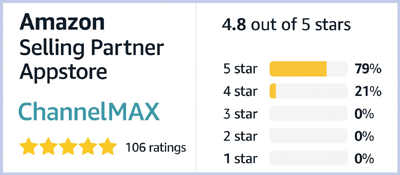
Check ChannelMAX at Amazon Selling Partner Appstore, an application with a 5 star rating.