Amazon Listing Optimization: Boost Visibility & Drive Sales
A Complete Guide to Creating High-Converting Listings on Amazon
By ChannelMAX Staff Writer
July-2025#30
Selling on Amazon is tough. Just adding your product is not enough. With more than 9 million sellers worldwide and millions of active listings, the competition is huge. If your product listing doesn’t stand out, it’s easy to get lost in the crowd. You need to make your listing better to get noticed.
That’s where Amazon Listing Optimization comes in. It means making your product page clear, attractive, and using the right keywords so more people can find it. A well-optimized listing helps you appear higher in Amazon search results, grab attention, and turn viewers into customers.
In today’s article, we’ll talk about what listing optimization really means, what parts of your listing matter the most (like titles, bullet points, images, and more), proven strategies to boost sales, and common mistakes to avoid. Whether you're a new seller or looking to improve your current listings, this guide will help you get better results on Amazon.
What Is Amazon Listing Optimization?
Amazon listing optimization means making your product page better so that more people can find your product and buy it. On Amazon, there are millions of products. If your listing is not clear or attractive, people will skip it and choose something else. That’s why it’s important to improve every part of your product listing page, like the title, images, bullet points, product description, and keywords.
A well-optimized listing helps you:
a. Improve visibility in Amazon search results
b. Increase click-through rates (CTR)
c. Get more sales
d. Reduce returns and bad reviews
When you optimize your Amazon listing, you make it easier for both Amazon’s search engine and real people to understand what you’re selling and why it’s the best choice.
Why Is Listing Optimization Important?
1. Higher Search Rankings
When you use the right keywords in your product title, bullet points, and description, Amazon shows your product to more people. Amazon’s algorithm looks for listings that match what buyers are searching for. If your listing has the right keywords, it will appear higher in search results. And more visibility means more chances of getting clicks and sales.
2. Builds Customer Trust
A clean, professional-looking listing with correct grammar, clear images, and detailed information makes your brand look trustworthy. When customers trust you, they are more likely to buy from you instead of your competitors.
3. Improves Customer Experience
Buyers want to know exactly what they’re getting. If your listing has clear photos, sizes, colors, and other important details, it helps them make quick and confident decisions. This also reduces the chances of returns or complaints.
4. Boosts Sales and Conversions
When your listing is optimized, more people find it, understand it, and feel confident to buy. Good listings lead to more conversions (people buying your product after viewing it). More conversions also tell Amazon that your product is good, which can improve your organic ranking even more.
5. Reduces Returns and Negative Reviews
If your listing clearly explains the product, customers know exactly what to expect. This means fewer surprises for them and fewer returns or bad reviews for you. That helps your account health and keeps your seller ratings high.
6. Supports Advertising Performance
If you're running Amazon ads, a well-optimized listing helps convert traffic into actual sales. Without a strong listing, even your ad clicks might go to waste. Optimization makes sure your ad money is well spent.
7. Strengthens Brand Image
Good listings show your professionalism and brand identity. It helps you stand out from sellers who may be selling similar products but with poor-quality listings.
8. Mobile-Friendly Experience
Many customers shop using their phones. Optimized listings that are clear, concise, and well-structured help mobile shoppers quickly find the info they need, increasing the chance of a sale.
Key Elements of a Fully Optimized Listing
1. Product Title
The product title is the first thing buyers and Amazon’s search engine look at. A clear and keyword-rich title helps your product show up in search results.
Tips:
a. Put the most important (primary) keyword at the beginning (what people are likely to search for)
b. Include your brand name, product type, size, quantity, and main use
c. Keep within Amazon’s character limit (usually 200 characters)
Example:
Organic Green Tea Bags – 100 Count – Antioxidant-Rich, Caffeine-Free – USDA Certified
Why it matters:
A strong title improves visibility, builds trust, and encourages clicks.
2. Bullet Points
Bullet points appear right below the title and are usually the first thing people read. Buyers often scan the product through these.
Tips:
a. Use bullet points to talk about different product benefits.
b. Start each bullet point with a benefit in CAPITAL LETTERS (e.g., EASY TO USE, LONG-LASTING).
c. Highlight features like durability, quality, use, or what makes your product better than others.
d. Include keywords naturally to improve search ranking.
e. Think from a buyer’s point of view — what would make them say “Yes, I need this product”?
Why it matters:
Clear bullet points help buyers understand your product quickly and increase the chances of a sale.
3. Product Description
This is the space where you explain more about your product and connect with your buyers. If bullet points are short and sharp, the description is your storytelling space.
Tips:
a. Use simple HTML formatting and bold text to make it easier to read
b. Share how to use the product or how it helps in daily life
c. Talk about unique features, certifications, materials, or special benefits
d. Tell a short story or describe a scene that helps the buyer imagine the product in their life
Why it matters:
A good description not only informs but also builds an emotional connection, which can increase trust and conversions.
4. Backend Keywords
These are words you add in the backend of your Amazon Seller Central dashboard. Buyers don’t see them, but Amazon uses them to help show your product in search results.
Tips:
a. Include alternate spellings, synonyms, and extra keywords that you couldn’t fit in the title or bullet points
b. Do not repeat words already used in the front-end
c. Avoid using brand names or competitor names
d. Stay under the 250-byte limit (not characters; bytes – which includes spaces and punctuation)
Why it matters:
Backend keywords give you another chance to rank higher in Amazon searches without cluttering your main product listing.
5. Images
People trust what they see. Your product images can make or break a sale, especially for mobile shoppers who may not prefer to read much text.
Tips:
a. Use all 7 image slots to show your product from different angles
b. Your main image should have a white background and only show the product (no text or extra items)
c. Add lifestyle images to show the product in use
d. Include infographics (images with text) to highlight features or dimensions
e. Use a scale image to show actual size (especially if size can be confusing)
Why it matters:
Good visuals build trust and help buyers decide faster, especially when shopping on mobile devices.
6. A+ Content
If you are a brand-registered seller, you can use A+ Content to add more visuals and layout options to your listing.
Why use A+ Content:
a. Makes your product page look professional and detailed
b. Helps increase conversions by 5–10% on average
c. Allows you to add charts, brand story, comparison tables, and extra images
d. Gives a boost to SEO for your branded keywords
Tips:
a. Use A+ Content to build brand identity
b. Highlight what makes your brand unique
c. Add usage visuals or explain product benefits clearly with visuals
Why it matters:
Shoppers are more likely to buy from listings that look trustworthy, complete, and well-designed.
Also Read: Mastering Amazon A+ Content: Guidelines for Creating High-Impact Product Listings
7. Pricing Strategy
Your price is one of the biggest deciding factors for buyers. It needs to be competitive but also show value.
Tips:
a. Look at similar products to see what buyers are used to paying
b. Offer a launch discount or limited-time price when introducing a new product
c. Use repricing tools like ChannelMAX to automatically adjust prices based on competition, BuyBox status, and stock levels
d. Try psychological pricing like $49 instead of $50 to make it feel cheaper
e. Keep profit margins in mind while staying attractive to buyers
Why it matters:
The right pricing makes your product look appealing and can help you win the Amazon BuyBox.
Tips to Improve Your Listing Performance on Amazon
1. Use Clear, Keyword-Rich Titles
Your product title is one of the most important ranking factors on Amazon. It affects both your visibility and click-through rate. Use high-volume, relevant keywords that shoppers are likely to search for. Include brand name, product type, main features (like size, color, material), and quantity.
Do:
a. Start with your brand name
b. Mention product type clearly
c. Include one or two key features
d. Keep it under 200 characters (Amazon’s limit)
Avoid:
a. Writing in all caps
b. Using symbols like ! or #
c. Keyword stuffing
Example: “Maxwell Stainless Steel Kitchen Knife – Ultra Sharp, Ergonomic Handle, 8-Inch, Dishwasher Safe”
2. Add High-Quality Images
Images are the first thing buyers look at, even before reading the title or bullet points. Good images can increase clicks and conversions.
What to include:
a. 1 main image with a white background (required)
b. 4–6 additional images showing product from different angles
c. Lifestyle images showing the product in use
d. Close-ups to show texture, labels, or important features
e. Infographics showing size, features, or benefits
Remember that customers can’t touch the product, they rely on images to decide. So, invest in professional photos that clearly show the product's look, size, texture, and how it’s used.
Tip: Use 1000x1000 px or more for the zoom function to work.
3. Write Clear and Benefit-Focused Bullet Points
Your bullet points should answer customer questions and highlight the top 5 features. Keep them short, direct, and easy to understand.
Focus on:
a. What the product does?
b. Why is it useful?
c. How does it benefit the customer?
Example: You can write “Durable stainless steel material – rustproof and long-lasting for daily use” instead of simply writing “Made of stainless steel”.
Tip: Use capital letters to start each bullet, but keep the rest in lower case for easier reading.
4. Create a Compelling Product Description
The description lets you tell your brand story and explain why your product is better than others. Use emotional language and highlight unique features.
Tips:
a. Use short paragraphs and line breaks
b. Explain how to use the product
c. Answer possible doubts
d. Mention warranty, return policy, or customer support
Bonus: If you're Brand Registered, use A+ Content for rich visuals and better storytelling.
5. Use Backend Search Terms Wisely
Amazon allows up to 250 bytes of hidden keywords. These are not shown to customers, but help your product appear in more search results.
How to use it:
a. Add alternative spellings, common misspellings, and synonyms
b. Avoid repeating keywords from the title or bullets
c. No need to use punctuations
d. Avoid competitor brand names (against Amazon policy)
Example: If your product is "Yoga Mat," backend terms might include "exercise mat, gym mat, pilates mat."
6. Get More Reviews
Listings with more reviews build trust and perform better. Reviews also influence Amazon’s algorithm and help increase conversions. Shoppers are more likely to buy from listings with lots of positive feedback.
Tips to get reviews:
a. Use Amazon’s “Request a Review” button (available once per order).
b. Ask for feedback after delivery via follow-up emails (within Amazon’s rules).
c. Include an insert card in your packaging, encouraging feedback.
d. Offer great customer service to encourage positive reviews.
Remember: Never offer gifts or rewards in exchange for reviews – this is against Amazon’s policies.
7. Keep Pricing Competitive
Price is a key factor for both customers and the Amazon BuyBox algorithm. Even a small difference can win you the BuyBox.
What to do:
a. Monitor competitor pricing regularly
b. Use a repricing tool like ChannelMAX to adjust in real-time
c. Try offering promotions, limited-time deals, or coupons to attract attention
Pro Tip: A well-priced product with good reviews often ranks higher.
8. Optimize for Mobile
Most Amazon buyers shop using their smartphones. A listing that looks great on desktop might look cluttered or confusing on mobile.
Make sure to:
a. Place the most important info in the first few words
b. Keep short bullet points and avoid long blocks of text
c. Use clear titles without too many symbols
d. Ensure images look good on small screens
e. Test your listing on a mobile phone before publishing
9. A/B Test Your Listing
What works today may not work tomorrow. A/B testing helps you find out which version of your listing converts better.
If you’re Brand Registered:
Use Amazon Experiments (Manage Your Experiments) to run A/B tests on images, titles, bullets, and descriptions.
What you can test:
a. Main image vs alternate
b. Short vs long title
c. Feature order in bullet points
d. Pricing or promotions
10. Update Regularly
A listing that never changes can become outdated. Stay active and update based on changing trends, seasons, and buyer feedback.
What to check regularly:
a. Are your keywords still trending?
b. Do images still match buyer expectations?
c. Are reviews pointing out problems you can fix in bullets or descriptions?
d. Are there new features to highlight?
Example: If you sell a warm blanket, update the title and bullets during winter: “Perfect for cold nights – stay cozy this winter!”
Common Mistakes to Avoid When Improving Your Amazon Listing
1. Adding too many keywords
Some sellers try to add as many keywords as possible in the title and description. This is called "keyword stuffing."
But doing this can:
a. Make your listing hard to read and understand for customers.
b. Make your listing sound unnatural or confusing, and buyers may lose interest.
c. Affect your ranking on Amazon search results if you overuse keywords.
Tip: Use only the most relevant keywords in a natural way that makes your listing clear and easy to understand.
2. Using low-quality or blurry images
Images are one of the first things buyers notice. Poor-quality pictures can make your product look cheap or untrustworthy.
Avoid:
a. Dark or unclear photos
b. Low-resolution or pixelated images
c. Photos that do not show the product clearly
If the photos are dark, blurry, or pixelated, they may think the product is low quality. Amazon also has image rules you must follow.
Tip: Use high-resolution images with a white background. Show the product from different angles, and if possible, include one image showing its use or size. Good images help build trust and increase sales.
3. Copying from other sellers
It’s easy to copy content from top competitors, but that doesn’t help your listing stand out.
Buyers want to know what makes your product special. When you don’t add anything new or unique:
a. Customers may skip your product
b. It shows a lack of originality or trust
c. Your brand won't grow its own voice
Tip: Write your own product descriptions. Highlight features, benefits, and what makes your product better or different.
4. Not checking how it looks on a phone
Most Amazon users shop on their phones. If your listing doesn’t look good or is hard to read on a small screen, buyers may leave without buying.
Some common mobile layout mistakes:
a. Long blocks of text with no spacing
b. Important info hidden or cut off
c. Images not optimized for small screens
Tip: Always preview your listing on a mobile device. Keep titles short, use bullet points, and make sure images and text are easy to view.
5. Not updating listings for seasons or trends
Trends and customer needs change with time. If you keep the same listing all year, you may miss sales opportunities.
If you ignore this:
a. Your listing may look outdated
b. You might miss out on seasonal sales
c. You won’t connect with current customer needs
Tip: Update your listing to match seasons (e.g., holidays) or popular trends (e.g., eco-friendly, tech updates). Refresh images, keywords, and descriptions regularly. Also, keep an eye on what’s trending and adjust your keywords and offers as required.
In short, improving your Amazon product listing isn’t just about adding keywords or photos. It’s about making your listing helpful and attractive for customers so they trust your product and want to buy it. From writing eye-catching titles to using clear, high-quality pictures and strong bullet points, every small thing matters.
If you do it well, your product will show up more in searches, get better rankings, and help you sell more. Keep testing and updating your listing to keep up with Amazon’s fast-changing marketplace. Whether you’re new or experienced, there’s always a chance to do better and grow.
Also Read: Amazon Advertising Campaign: A Complete Guide to Maximizing Sales
Disclaimer:
Amazon is the registered trademark of the e-commerce brand.
About ChannelMAX.NET:
ChannelMAX offers Amazon Repricer that runs on the latest AI Repricing agents to do Amazon Pricing Management or Amazon Repricing. Based on Amazon SP API, the repricing engine or repricer runs 24/7 and efficiently manages Amazon prices to maximize your BuyBox with profit optimization. Established in 2005, ChannelMAX has been integrated with Amazon technology since 2007, helping thousands of third-party sellers on various eCommerce platforms. Some of the eCommerce platforms, aka marketplaces, supported by ChannelMAX.NET, are Amazon, Walmart, eBay, and Shopify. Some of ChannelMAX key offerings include ChannelMAX Amazon Repricer, 2ndly, ChannelMAX Amazon FBA Audits and FBA Refunds management, an offering for managing Amazon FBA Refunds Reimbursement management for lost or damaged or misplaced inventory for which Amazon is responsible and for which sellers deserve appropriate credit reimbursement from Amazon. ChannelMAX Services offer Remote (aka Virtual) Full-Time eCommerce Assistant to help 3P sellers run their daytoday business.
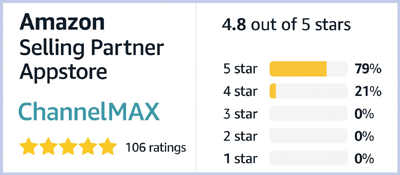
Check ChannelMAX at Amazon Selling Partner Appstore, an application with a 5 star rating.