Amazon to Limit Listing Deactivations Under New OTDR Rule from February 28, 2026
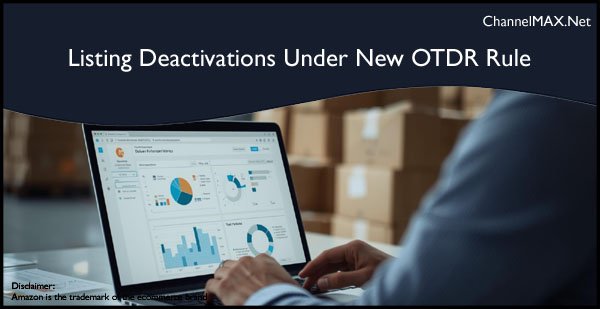
Seller Central update says only the most delayed listings will be paused if OTDR falls below 90 percent
By ChannelMAX Staff Writer
Feb-2026#10
Amazon has announced a significant update to how the On-Time Delivery Rate (OTDR) will affect seller-fulfilled listings. This change, published recently on Seller Central, is scheduled to take effect on February 28, 2026. The update introduces a more precise enforcement method that may benefit many sellers who struggle with occasional shipping mishaps. Currently, falling below the required 90% OTDR threshold can put a seller's entire catalog of seller-fulfilled listings at risk of deactivation. Under the new policy, enforcement will become more targeted.
Also Read: Top 2026 marketing trends Amazon sellers must watch to grow their business
What is changing in the OTDR deactivation process
Under the revised policy, if a seller’s OTDR drops below 90 percent, Amazon will no longer automatically deactivate all seller-fulfilled listings. Instead, only the listings that contributed the most to the late deliveries will be deactivated. Other listings will remain active and available for sale.
This is a major shift from the earlier, broader approach. It reduces the risk of a full business disruption due to issues in a limited number of SKUs.
However, Amazon has clarified that if a seller’s OTDR is significantly below 90 percent, or if the seller repeatedly fails to meet the required threshold, the company may still deactivate all seller-fulfilled listings. This means sellers must continue to closely monitor performance metrics.
Why OTDR matters for sellers
On-time delivery rate is a key performance metric that measures how often orders are delivered by the promised date. It plays a crucial role in customer satisfaction, especially for seller-fulfilled orders.
A low OTDR can lead to listing deactivation, reduced Buy Box visibility, and potential account health warnings. By making the deactivation process more selective, Amazon is offering sellers a chance to correct specific problem areas instead of facing a complete shutdown of their catalog.
Protection for standard shipping orders
Amazon has also outlined how sellers can qualify for OTDR protection for standard shipping. To be eligible, sellers must meet all of the following conditions:
i) Enable shipping settings automation
ii) Enable automated handling time
iii) Purchase OTDR-protected shipping labels through Amazon Buy Shipping or Veeqo
When these steps are followed, sellers may receive protection from certain late delivery defects that are outside their control, such as carrier-related delays.
Protection rules for Seller Fulfilled Prime and premium shipping
For Seller Fulfilled Prime and premium shipping orders, automated handling time is not mandatory for protection. However, sellers must:
i) Ship orders on time
ii) Enable shipping settings automation
iii) Purchase OTDR-protected shipping labels via Amazon Buy Shipping or Veeqo
This distinction is important for Prime sellers who already operate under strict performance standards. Ensuring compliance with these requirements can help safeguard listings from performance-related actions.
Sellers should immediately review their OTDR in the Account Health dashboard. Identifying SKUs with repeated late deliveries is critical, as these listings are now the most likely to be deactivated under the new rule.
It is also advisable to:
i) Audit handling times and shipping templates
ii) Switch to Amazon Buy Shipping if not already using it
iii) Activate shipping settings automation to reduce manual errors
iv) Track carrier performance and adjust delivery promises if needed
The updated OTDR listing deactivation process marks a more balanced approach by Amazon. The new rule focuses on problematic listings rather than penalising an entire catalog for isolated delays. For sellers, this offers both relief and responsibility. While the risk of full-scale deactivation may be lower, performance standards remain strict. Sellers who actively monitor OTDR, automate shipping settings, and use protected labels will be better positioned to maintain account health and protect their revenue in 2026 and beyond.
Also Read: Amazon to Charge FBA Removal and Disposal Fees Per Unit as Items Are Processed from Feb 15
Disclaimer:
Amazon is the registered trademark of the e-commerce brand.
About ChannelMAX.NET:
ChannelMAX offers Amazon Repricer that runs on the latest AI Repricing algorithm to do Amazon Pricing Management or Amazon Repricing. Based on Amazon SP API, the repricing engine or repricer runs 24/7 and efficiently manages Amazon prices to maximize your BuyBox with profit optimization. Established in 2005, ChannelMAX has been integrated with Amazon technology since 2007, helping thousands of third-party sellers on various eCommerce platforms. Some of the eCommerce platforms, aka marketplaces, supported by ChannelMAX.NET, are Amazon, Walmart, eBay, and Shopify. Some of ChannelMAX key offerings include ChannelMAX Amazon Repricer, 2ndly, ChannelMAX Amazon FBA Audits and FBA Refunds management, an offering for managing Amazon FBA Refunds Reimbursement management for lost or damaged or misplaced inventory for which Amazon is responsible and for which sellers deserve appropriate credit reimbursement from Amazon. ChannelMAX Services offer Remote (aka Virtual) Full-Time eCommerce Assistant to help 3P sellers run their daytoday business.
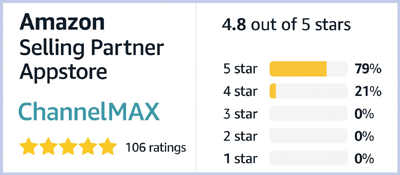
Check ChannelMAX at Amazon Selling Partner Appstore, an application with a 5 star rating.
By ChannelMAX Staff Writer
Feb-2026#10
Amazon has announced a significant update to how the On-Time Delivery Rate (OTDR) will affect seller-fulfilled listings. This change, published recently on Seller Central, is scheduled to take effect on February 28, 2026. The update introduces a more precise enforcement method that may benefit many sellers who struggle with occasional shipping mishaps. Currently, falling below the required 90% OTDR threshold can put a seller's entire catalog of seller-fulfilled listings at risk of deactivation. Under the new policy, enforcement will become more targeted.
Also Read: Top 2026 marketing trends Amazon sellers must watch to grow their business
What is changing in the OTDR deactivation process
Under the revised policy, if a seller’s OTDR drops below 90 percent, Amazon will no longer automatically deactivate all seller-fulfilled listings. Instead, only the listings that contributed the most to the late deliveries will be deactivated. Other listings will remain active and available for sale.
This is a major shift from the earlier, broader approach. It reduces the risk of a full business disruption due to issues in a limited number of SKUs.
However, Amazon has clarified that if a seller’s OTDR is significantly below 90 percent, or if the seller repeatedly fails to meet the required threshold, the company may still deactivate all seller-fulfilled listings. This means sellers must continue to closely monitor performance metrics.
Why OTDR matters for sellers
On-time delivery rate is a key performance metric that measures how often orders are delivered by the promised date. It plays a crucial role in customer satisfaction, especially for seller-fulfilled orders.
A low OTDR can lead to listing deactivation, reduced Buy Box visibility, and potential account health warnings. By making the deactivation process more selective, Amazon is offering sellers a chance to correct specific problem areas instead of facing a complete shutdown of their catalog.
Protection for standard shipping orders
Amazon has also outlined how sellers can qualify for OTDR protection for standard shipping. To be eligible, sellers must meet all of the following conditions:
i) Enable shipping settings automation
ii) Enable automated handling time
iii) Purchase OTDR-protected shipping labels through Amazon Buy Shipping or Veeqo
When these steps are followed, sellers may receive protection from certain late delivery defects that are outside their control, such as carrier-related delays.
Protection rules for Seller Fulfilled Prime and premium shipping
For Seller Fulfilled Prime and premium shipping orders, automated handling time is not mandatory for protection. However, sellers must:
i) Ship orders on time
ii) Enable shipping settings automation
iii) Purchase OTDR-protected shipping labels via Amazon Buy Shipping or Veeqo
This distinction is important for Prime sellers who already operate under strict performance standards. Ensuring compliance with these requirements can help safeguard listings from performance-related actions.
Sellers should immediately review their OTDR in the Account Health dashboard. Identifying SKUs with repeated late deliveries is critical, as these listings are now the most likely to be deactivated under the new rule.
It is also advisable to:
i) Audit handling times and shipping templates
ii) Switch to Amazon Buy Shipping if not already using it
iii) Activate shipping settings automation to reduce manual errors
iv) Track carrier performance and adjust delivery promises if needed
The updated OTDR listing deactivation process marks a more balanced approach by Amazon. The new rule focuses on problematic listings rather than penalising an entire catalog for isolated delays. For sellers, this offers both relief and responsibility. While the risk of full-scale deactivation may be lower, performance standards remain strict. Sellers who actively monitor OTDR, automate shipping settings, and use protected labels will be better positioned to maintain account health and protect their revenue in 2026 and beyond.
Also Read: Amazon to Charge FBA Removal and Disposal Fees Per Unit as Items Are Processed from Feb 15
Disclaimer:
Amazon is the registered trademark of the e-commerce brand.
About ChannelMAX.NET:
ChannelMAX offers Amazon Repricer that runs on the latest AI Repricing algorithm to do Amazon Pricing Management or Amazon Repricing. Based on Amazon SP API, the repricing engine or repricer runs 24/7 and efficiently manages Amazon prices to maximize your BuyBox with profit optimization. Established in 2005, ChannelMAX has been integrated with Amazon technology since 2007, helping thousands of third-party sellers on various eCommerce platforms. Some of the eCommerce platforms, aka marketplaces, supported by ChannelMAX.NET, are Amazon, Walmart, eBay, and Shopify. Some of ChannelMAX key offerings include ChannelMAX Amazon Repricer, 2ndly, ChannelMAX Amazon FBA Audits and FBA Refunds management, an offering for managing Amazon FBA Refunds Reimbursement management for lost or damaged or misplaced inventory for which Amazon is responsible and for which sellers deserve appropriate credit reimbursement from Amazon. ChannelMAX Services offer Remote (aka Virtual) Full-Time eCommerce Assistant to help 3P sellers run their daytoday business.
Check ChannelMAX at Amazon Selling Partner Appstore, an application with a 5 star rating.