Everything You Need to Know About Dropshipping on Amazon
Everything You Need to Know to Start Dropshipping on Amazon in 2025
By ChannelMAX Staff Writer
Aug-2025#06
Dropshipping on Amazon means listing and selling products without even storing or handling them yourself. Instead of keeping items in stock, you buy them from another company (like a supplier or factory). After someone places an order from your store, you order it from them, and that company then sends the product directly to your customer.
This is a popular business idea because it doesn’t require a big investment to start, and you don’t have to worry about shipping or storing products. That’s why many beginners like it. But Amazon has strict rules for dropshipping. If you don’t follow these rules, your seller account can be blocked.
In this easy guide, we’ll explain how dropshipping on Amazon works, what rules you must follow, the good and bad sides of it, and how you can begin your dropshipping journey.
What is dropshipping?
Dropshipping is a business model where you sell products online without keeping any inventory. Instead of storing or shipping the items yourself, you list the products for sale on a website like Amazon. When a customer places an order, you purchase the item from a supplier (usually a wholesaler or manufacturer). That supplier then sends the product directly to the customer.
You don’t have to worry about storing, packing, or shipping anything. You earn money by charging the customer a higher price than what you pay the supplier. It’s an easy and low-cost way for beginners to start selling online.
How Does Dropshipping on Amazon Work?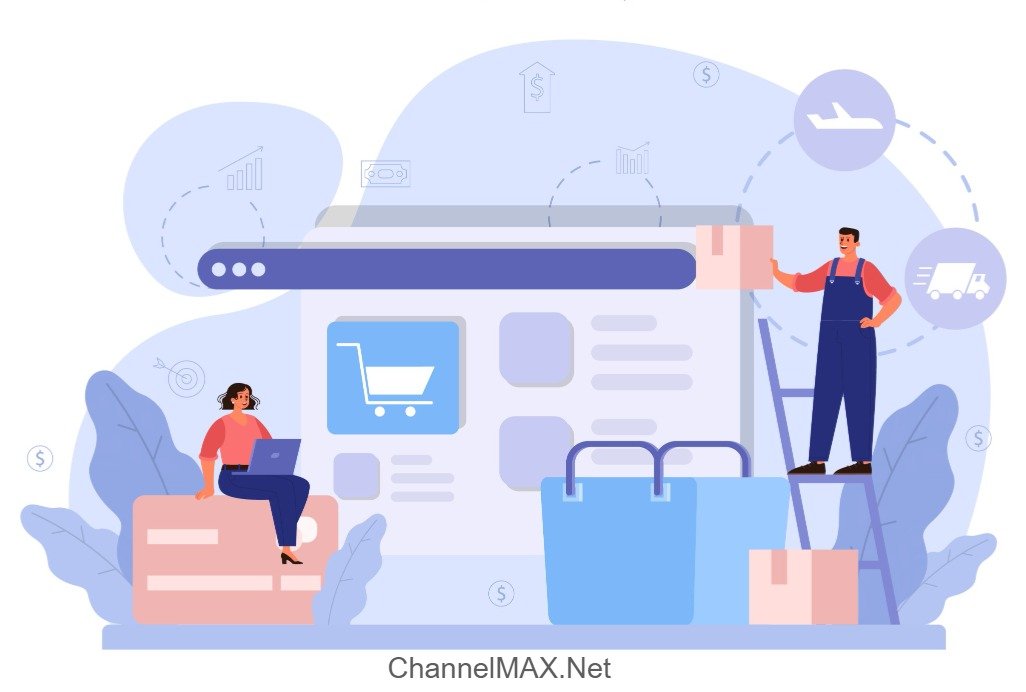
1. You choose a product from a supplier’s catalog and list it on Amazon.
You don’t need to keep the product in your house or a warehouse. You just find a product from a trusted supplier (like a wholesaler or manufacturer) and copy the details, like the product name, description, images, and price. Then, you create a listing for it and post on Amazon with your own price. This price should be higher than what the supplier charges.
2. A customer sees your product on Amazon and buys it.
When someone shops on Amazon and finds your listing, they can place an order just like any other product on the website. Once they place the order, Amazon will notify you with all the order details. The customer thinks they are buying from you, but you actually don’t have the product yet.
3. You then buy the same product from your supplier and give them the customer’s address.
Once the customer places the order, you quickly go to your supplier’s website and buy the same item. But instead of entering your own address, you give your customer’s shipping address. This step is important because the supplier will send the item directly to your customer.
4. The supplier sends the product directly to the customer.
The supplier packs and ships the item directly to the customer. You don’t need to store the product or handle shipping. The customer will receive the package just like they would with any other online order. Most of the time, the package will not have the supplier’s name, so they don’t know it came from your supplier.
5. You earn money from the price difference.
Let’s say you list the product for $100 on Amazon, and the supplier sells it to you for $70. After paying the supplier, your profit is $30 (minus Amazon’s fees, if any). This is how you make money in dropshipping. You earn money from the price difference between what the customer paid on Amazon and what you paid the supplier.
Amazon’s Dropshipping Policy
If you want to dropship on Amazon, you have to follow some strict rules. Here’s what you need to do:
1. You must be the real seller of the product
You should be seen as the main seller to the customer, not the supplier or manufacturer. This means your name or your company’s name should be listed as the seller. The customer should not feel that someone else is selling or shipping the item.
Even though your supplier ships the item, you are the one Amazon and the customer see as the seller.
2. Show your name as the seller on all slips and packing
Every order you ship must show your name, not your supplier’s name. Whenever a customer receives a package, they should only see your name on the packing slip (list of what’s inside the package), invoice (bill), or the label on the outside of the package. Don’t include any documents or information from your supplier in the package.
If a customer sees another company’s name, they may get confused or lose trust in you.
3. Remove any third-party supplier branding or logo before shipping.
Before shipping the item, make sure there are no tags, logos, or brand names from your supplier. The customer should not see who the real supplier is. If they do, they may feel confused or think you are not trustworthy.
Amazon doesn’t allow dropshippers to promote or advertise other suppliers. The customer should feel that the product came directly from your store.
4. You must handle returns yourself
If a customer wants to return a product, they should return it to you, not your supplier. You must manage returns, refunds, or exchanges. You can’t ask the customer to contact the supplier directly. You are responsible for all after-sales service.
5. Breaking these rules can get you banned
If you don’t follow Amazon’s dropshipping policy, they may remove your product listings, and in some cases, suspend or block your account. So it’s important to understand what’s allowed and what’s not.
So, always follow the rules to keep your business safe and running smoothly.
Pros of Dropshipping on Amazon
1. Low Starting Cost
You don’t need a lot of money to begin.
a. You don’t have to buy products first.
b. You don’t need to rent a shop or warehouse.
b. You only pay for a product after a customer places an order with you.
c. This makes it great for beginners or people who want to try selling online without taking big risks.
2. Wide Product Range
You can sell a lot of items without keeping them in stock.
a. You can offer hundreds or even thousands of products.
b. It's easy to try new items or change what you sell if something is not working.
c. You can test different categories (like fashion, electronics, pet items) and see what sells best.
3. Easy to Grow Your Business
You can grow your Amazon store faster than a traditional business.
a. You can use tools/software that automatically handle orders and send them to suppliers.
b. You don’t need to hire many people or rent a big office. You can start doing it yourself.
c. As your sales increase, your work does not increase as much, since most of it is done by software and suppliers.
4. No Need to Store or Ship Products
You don’t have to pack or send anything yourself.
a. The supplier will take care of packing and shipping the product to your customer.
b. This saves you a lot of time and effort.
c. You also don’t have to worry about delivery problems like lost packages – the supplier handles it.
5. Work from Anywhere
You can start or run your dropshipping business from home or while traveling.
a. You only need a laptop and internet.
b. This business model is perfect for people who want freedom or want to work part-time.
6. Less Risk of Unsold Stock
Since you don’t buy products in advance, there’s no worry about items not selling.
a. No stress about leftover items or losing money on dead stock.
b. You only pay when a customer buys.
7. Flexible Product Testing
You can test different products and see what sells best.
a. You can try new items easily without a big investment.
b. This helps you learn what your customers like and improve your store over time.
8. Focus on Marketing and Customer Service
Since you don’t have to handle inventory, you can spend more time on marketing.
a. You can attract more customers to your product listing using ads and promotions.
b. You can focus on improving customer service to build a strong brand and get repeat buyers.
Cons of Dropshipping on Amazon
1. Low Profit
When you do dropshipping, you will not buy products in bulk (large quantities). So you don’t get big discounts from suppliers like wholesale buyers do. This means your profit on each item is small. After paying for product costs, Amazon fees, and advertising, you may be left with very little money. Also, if you lower prices to compete with others, you make even less money.
It’s hard to grow your business with such small earnings unless you sell a lot of products every day. You need to sell a large number of products to make a good income.
2. No Control Over Stock or Delivery
You don’t manage the inventory yourself. You depend fully on your supplier to handle the inventory and shipping. If they run out of stock, you won’t be able to fulfill customer orders on time. If shipping is delayed or the wrong item is sent, customers may leave bad reviews.
Amazon cares a lot about fast and on-time delivery. If there are too many delays or order issues, it can damage your reputation and even lead to account problems.
3. Risk of Losing Your Account
Amazon has strict rules for dropshipping. For example, your name should be on the invoices and packaging, not the supplier’s. If Amazon finds out that you're not following their policies, they can suspend or close your account.
One small mistake can cost you your entire business. It’s important to understand and follow all their dropshipping rules carefully.
4. Too Much Competition
Many sellers are selling the same popular items using dropshipping. To win customers, sellers lower their prices. This creates a “price war,” and in the end, nobody makes much money.
Sometimes, it becomes impossible to make money unless you have a unique product or a strong marketing strategy. You’ll need to work hard to stand out from so many similar sellers.
5. Poor Product Quality Control
Since you don’t see or handle the product yourself, you can’t check its quality before it is sent to the customer. If the item is damaged, low quality, or not as described in the listing, customers will be unhappy and return the product. This can lead to poor customer ratings and extra costs for you.
6. Difficult to Build a Brand
Since you don’t create your own products or control packaging, it’s hard to stand out from other sellers. You can’t add personal touches like custom logos, thank-you notes, or special packaging. This makes it difficult to create a brand that people remember or trust.
How to Start Dropshipping on Amazon (Complete Step-by-Step Guide)
1. Open an Amazon Seller Account
To begin selling, you need to register as a seller on Amazon.
Steps to register:
a. Visit sellercentral.amazon.com and click on "Sign Up."
b. Fill in your personal and business information:
i) Email ID
ii) Business name (or your own name if you're an individual)
iii) Bank account details to receive payments
iv) Tax information
v) Identity proof (like a passport, driver’s license)
c. Next, you’ll need to choose a selling plan:
i) The Individual Plan is free, but you have to pay $0.99 per sale.
ii) The Professional Plan costs $39.99/month and is better for serious sellers.
d. Add your product category (e.g., home, electronics, clothing, etc.)
Why choose the Professional Plan?
a. You can sell unlimited products.
b. You get access to important tools like advertising, detailed reports, bulk listing options, etc.
c. It looks more professional, especially when you’re managing many products.
Note: Even though it has a monthly fee, the Professional Plan is a must if you want to scale your dropshipping business and look more trustworthy to buyers.
2. Find Good Suppliers
A supplier is the person or company who provides the product and ships it directly to your customer on your behalf.
What to look for in a supplier:
a. Fast shipping – Customers don’t like waiting. Delivery should take as little time as possible. If delivery takes too long, they might cancel the order or leave a bad review.
b. Affordable pricing – You make money from the difference between your Amazon selling price and the supplier's price. So the cheaper your supplier, the better your profit.
c. Consistent quality – Make sure to maintain the product quality consistently to avoid customer complaints and returns.
d. No branding – Packages should not show the supplier's name or logo (white-label shipping).
How to check if a supplier is reliable:
a. Read product reviews
b. Order a sample item for yourself.
c. Ask questions about processing time, shipping time, and packaging.
Pro Tip: Always keep a few backup suppliers in case your main supplier runs out of stock.
3. Find Products That Sell Well
Choosing the right product is the most important step to making money in dropshipping.
What makes a good dropshipping product?
a. High demand – Products that many people are actively searching for and buying.
b. Low competition – Try to avoid products with hundreds of sellers.
c. Good profit margin – Make sure you earn enough money after Amazon fees and supplier costs.
d. Lightweight and non-breakable – To avoid high shipping costs and damage.
e. Not a restricted or branded item – Don’t sell branded products unless you are authorized — it’s risky and could get you banned.
Tools to help you find winning products:
a. Amazon Best Sellers – Free tool to see top-selling products in any category.
b. Google Trends – Check if a product is getting more popular.
Example Products That Work Well:
a. Phone accessories
b. Home organization tools
c. Beauty tools
d. Fitness gear
e. Pet supplies
Tip: Avoid products that might go out of trend quickly. Focus on evergreen items.
Also Read: Highest Selling Items on Amazon: What’s Trending and How Sellers Can Profit?
4. Add Products to Amazon
Once you choose a product and a supplier, the next step is to create a product listing on Amazon.
A good product listing helps you get more sales. Here's what to include:
a. Title – Make it clear and keyword-rich. Mention the main features like brand, product type, size, color, and use.
Example: “Wireless Bluetooth Headphones with Mic – Black – Noise Cancelling”
b. Images – Use high-quality photos (at least 1000x1000 pixels). Try to add at least 5-7 photos, and show the product from different angles. Use a white background and, if possible, add a lifestyle photo showing how it is used.
c. Bullet Points for Features – Write 4 to 5 short, clear points about key features like material, size, how it's used, who it's for (kids, adults, pets, etc.), etc.
Example: i) Long-lasting battery
ii) Comfortable ear design
iii) Bluetooth 5.0 connection
iv) Easy charging with USB-C
d. Product Description – Explain what the product does, mention its benefits and use cases, and keep it simple and easy to read.
e. Keywords – Use tools to find relevant keywords customers search for. Add those keywords naturally in the title, bullets, and description.
Tip: Your product page should make the customer want to buy without asking any questions.
5. Manage Orders and Help Customers
Now your product is live, and people will start placing orders.
What to do when an order comes in:
a. Buy the product from your supplier
i) Go to your supplier’s website and place the order.
ii) Enter your customer’s name and shipping address (not yours).
b. Track the shipment
i) Most suppliers provide tracking numbers.
ii) Keep an eye on the tracking number.
iii) Share the tracking info with the customer via Amazon.
c. Communicate with customers
i) Answer any questions or concerns quickly.
ii) Send polite updates if shipping is delayed.
iii) Be kind and helpful always. Fast replies make customers happy and reduce negative feedback.
d. Handle returns and refunds
i) Amazon has strict rules for returns, so follow them carefully.
ii) If a customer wants to return something, arrange it with your supplier or offer a refund if needed.
iii) Always respond politely and try to solve the problem quickly.
e. Maintain good ratings
i) Fast replies, good packaging, and on-time delivery lead to good reviews.
ii) Bad reviews can harm your seller ranking, so provide excellent service.
Use tools to automate order management when your store grows. Create a spreadsheet to keep track of orders, tracking numbers, and delivery dates. Stay updated with your supplier’s stock to avoid selling out-of-stock items.
Tips for Success in Amazon Dropshipping
1. Do Proper Market Research
Before you start selling anything, it’s important to learn what people are actually buying. Market research helps you answer questions like:
a. What products are popular right now?
b. What are people searching for online?
c. What are other sellers doing well?
d. What is missing in the market that you can offer?
You can use free tools like Google Trends, Amazon Best Sellers, or paid tools to find trending products and customer needs. This step helps you avoid wasting time and money on products that people don’t want.
2. Pick a product niche where you can stand out
Don’t try to sell everything. Choose a specific product category (called a niche) that you know well or that people really like. For example, pet supplies, baby items, or home decor. This helps you focus better and provide more value. Try to offer something different, like products that are hard to find or have special features.
3. Find Reliable Suppliers
Your dropshipping business depends mainly on your suppliers. If they are slow or send poor-quality products, your customers will be unhappy, and they might leave bad reviews.
Look for suppliers who:
a. Offer good-quality products
b. Ship fast and on time
c. Have positive reviews from other sellers
d. Are easy to communicate with
You can find suppliers on platforms like AliExpress or any other direct manufacturer websites. Always order samples first to check product quality and delivery speed before selling them.
4. Keep your seller ratings high
Your seller metrics (like order defect rate, late shipment rate, and customer feedback) are very important. If they fall too low, Amazon might suspend or block your account. Make sure your products are the same as shown in the listings, try to ship on time, and respond to customer questions quickly. Happy customers leave good reviews, which helps you grow your business.
5. Understand and follow Amazon’s dropshipping rules
Amazon has strict rules for dropshipping, and breaking them can get your account in trouble. Make sure your name is on the invoices, packing slips, and shipping labels, not your supplier’s. You should never send packages with another store’s branding. Read Amazon’s dropshipping policy carefully and check regularly for updates, so you always follow the rules.
6. Keep an eye on inventory and pricing
Since you're depending on suppliers, always monitor if the products are still in stock and if the prices have changed. If your supplier runs out of stock or increases the price, and you don’t update your Amazon listing, you could lose money or disappoint customers. Use software tools or set alerts to stay updated on changes.
7. Use automation tools to make order handling easier
Running a dropshipping business can take a lot of time, especially when you get many orders. Automation tools help you do tasks like placing orders, updating tracking numbers, and managing stock. This saves time and helps avoid mistakes. These tools also alert you when a product is out of stock or when the price changes.
8. Plan and Run a Good Marketing Strategy
Just opening a store is not enough, you need to bring people to your store. A good marketing plan helps you get more visitors and turn them into customers.
You can:
a. Run Facebook, Instagram, or Google Ads.
b. Post helpful or fun content on social media.
c. Partner with influencers who promote your products.
d. Send email updates or discounts to your subscribers.
e. Write blogs about your product niche to bring traffic through Google.
Marketing helps you build trust, attract loyal customers, and grow your brand over time.
9. Offer fast shipping and easy returns to keep customers happy
Buyers love fast delivery and hassle-free returns. Try to choose suppliers who can ship quickly, and let customers return items easily if needed. Good service means more repeat buyers and better reviews, which will help you succeed in the long run.
To conclude, Amazon dropshipping is a smart way to start your online business, especially if you don’t have a lot of money to begin with or don’t want to deal with storing and packing products. This method saves time and money, but it also comes with some challenges. Amazon has strict rules for sellers, and you need to follow them carefully. If not, your account can get suspended.
But if you work with trusted suppliers, choose popular products, and follow Amazon’s policies, you can build a successful and long-lasting dropshipping business. It takes effort and planning, but it can be a great way to earn money online.
Also Read: Amazon Advertising Campaign: A Complete Guide to Maximizing Sales
Disclaimer:
Amazon is the registered trademark of the e-commerce brand.
About ChannelMAX.NET:
ChannelMAX offers Amazon Repricer that runs on the latest AI Repricing agents to do Amazon Pricing Management or Amazon Repricing. Based on Amazon SP API, the repricing engine or repricer runs 24/7 and efficiently manages Amazon prices to maximize your BuyBox with profit optimization. Established in 2005, ChannelMAX has been integrated with Amazon technology since 2007, helping thousands of third-party sellers on various eCommerce platforms. Some of the eCommerce platforms, aka marketplaces, supported by ChannelMAX.NET, are Amazon, Walmart, eBay, and Shopify. Some of ChannelMAX key offerings include ChannelMAX Amazon Repricer, 2ndly, ChannelMAX Amazon FBA Audits and FBA Refunds management, an offering for managing Amazon FBA Refunds Reimbursement management for lost or damaged or misplaced inventory for which Amazon is responsible and for which sellers deserve appropriate credit reimbursement from Amazon. ChannelMAX Services offer Remote (aka Virtual) Full-Time eCommerce Assistant to help 3P sellers run their daytoday business.
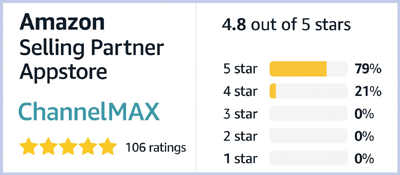
Check ChannelMAX at Amazon Selling Partner Appstore, an application with a 5 star rating.