How to Find Niche Products to Sell on Amazon
Discover unique opportunities and unlock your potential as an Amazon seller.
By ChannelMAX Staff Writer
Jan-2025#26
Finding the right niche product to sell on Amazon is an important step to building a successful business. With millions of sellers and products on the platform, it can be challenging to stand out. However, focusing on niche products can help you stand out, especially when they meet specific customer needs or wants. In this article, we’ll show you what makes niche products profitable, helping you make smart choices and set your Amazon business up for success.
What Are Niche Products?
Niche products are items made for a small, specific group of customers with unique needs or interests. Unlike common products, niche products often have less competition but strong demand from their target audience. These products focus on solving particular problems or meeting unique preferences, allowing sellers to reach a dedicated audience.
Examples:
1. Eco-friendly kitchenware for sustainable living – Items like bamboo utensils, biodegradable sponges, and reusable silicone food storage bags.
2. Fitness equipment designed for adults – Resistance bands, yoga wheels, or beginner-friendly home workout kits.
3. Customized pet accessories – Engraved collars, pet strollers, or matching outfits for pets and owners.
4. Hobby-related kits – DIY candle-making sets, knitting kits for beginners, or watercolor painting kits for artists.
5. Tech accessories for specific devices – Keyboard covers for unique laptop models, travel cases for particular cameras, or ergonomic mouse pads.
6. Products for remote work – Adjustable laptop stands, noise-canceling headsets, and stylish yet multi-functional desk organizers.
Also Read: Top Product Groups to Sell on Amazon in 2025: A Seller's Guide
Why Sell Niche Products on Amazon?
According to research, niche products tend to retain a higher customer loyalty rate compared to generic items. By targeting specific audiences, you can increase customer retention and repeat purchases. Selling niche products has many advantages:
1. Less Competition: Niche products are less saturated, so it’s easier for your product to stand out and rank higher in search results.
2. Better Profit Margins: Buyers of niche products are often willing to pay more for their unique needs.
3. Focused Branding: Focusing on a specific audience helps build stronger connections and brand loyalty.
4. Scalability: Success in one niche can help you expand into similar markets later.
Steps to Find Profitable Niche Products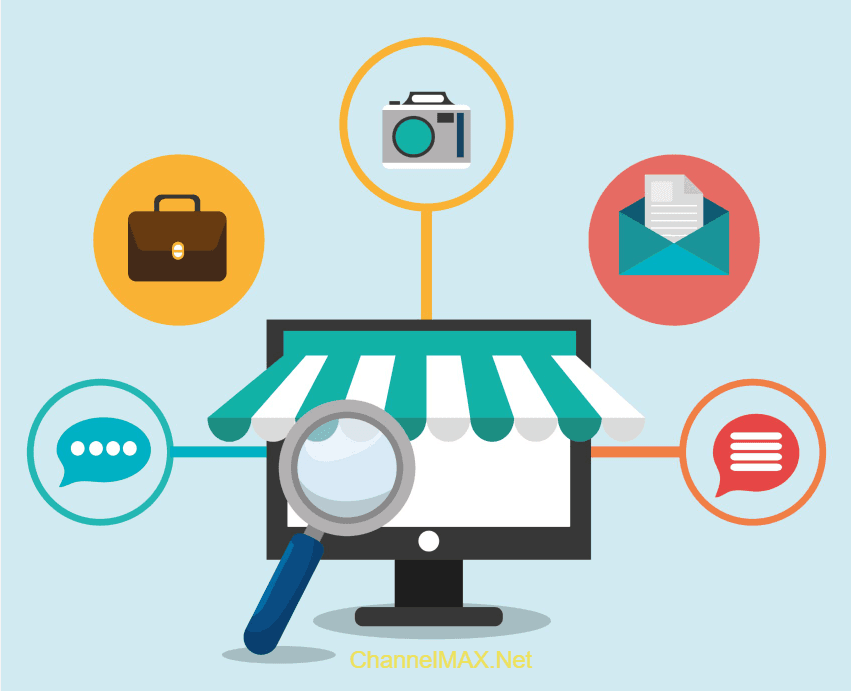
1. Start with Market Research:
Market research helps you identify gaps and opportunities in the market. Use these strategies-
a. Research Trends: Use tools like Google Trends to identify rising product categories.
b. Explore Amazon’s Best Sellers: Look for products within less competitive subcategories.
c. Study Customer Reviews: Customer reviews on existing products highlight common problems that you can solve with your product.
For example, eco-friendly products are in high demand, and the sustainable goods market is expected to reach $150 billion globally by 2025.
2. Use Keyword Research Tools:
Keyword research reveals what people are searching for on Amazon.
a. Long-tail Keywords: These are specific phrases that have less competition and are perfect for target niche audiences.
b. Amazon’s Autocomplete Suggestions: Amazon’s search bar often gives ideas for niche products.
c. Keyword Tools: Search for niche-related terms using keyword tools. Look for keywords with high search volume and low competition.
For example, searching for a “travel mug” might show a niche like “spill-proof travel mugs for kids”.
3. Analyze Product Demand and Competition:
It’s important to understand demand and competition.
a. Amazon Best Sellers Rank (BSR): A lower BSR indicates higher sales.
b. Seasonality vs. Evergreen Demand: Seasonal products sell well during peak times, but evergreen products provide consistent revenue. Check seasonal trends using Google Trends. Choose evergreen products that sell consistently all year round.
c. Competitor Analysis: Study competing products to identify how you can offer something better, like unique features or lower prices.
Also Read: Amazon Best Sellers Rank (BSR): Everything You Need to Know
4. Solve Real Problems:
The most successful niche products solve specific problems customers face. If you focus on solving common problems people mention in reviews, your product will stand out. Look for pain points customers face with current products and solve them with better designs or features.
Examples include:
a. Noise-canceling headphones for people working from home.
b. Ergonomic chairs for people with back pain.
c. Leak-proof water bottles designed for hikers.
5. Validate with Data:
Use sales and cost data to check if your product idea will work.
a. Calculate Profit Margins: Ensure your potential product makes a good profit after paying Amazon fees and shipping costs.
b. Check Sales Trends: Use tools to check how prices and demand change over time.
c. Test Small Batches: Start with a small inventory to test the market before buying a large quantity.
Characteristics of a Profitable Niche Product
1. Affordable Price Point: A profitable niche product should ideally cost between $15 and $50. This price range ends to attract buyers who want value without spending too much.
2. Lightweight and Compact: Niche products that are small and lightweight help save shipping costs, which increases profitability. These products are also easier to store and handle, which is an advantage for Amazon FBA sellers.
3. Unique Features: A successful niche product should solve a problem or make things easier for customers. Unique features distinguish it from other products, making it more appealing to buyers.
4. Low Competition: Choosing a niche with low competition is important to stand out and succeed. Selling in less crowded markets helps sellers gain visibility and capture the market more easily.
5. Potential for Bundling: Products that can be bundled with other items give sellers an opportunity to increase the average order value. Bundling offers more value to customers, boosting sales and profits.
Mistakes to Avoid While Choosing Niche Products
When choosing niche products, it's important to avoid common mistakes that can affect your success. Here are five mistakes to avoid:
1. Ignoring Market Demand: Choosing a product that doesn’t have a clear market demand is a big mistake. Even if a niche seems interesting, you need to check if customers are actually looking for it.
Tip: Use tools like Google Trends and Amazon Best Sellers to check demand and make sure the product has a stable market.
2. Overlooking Competition: Entering a niche with too much competition can make it difficult to stand out, even if your product is unique.
Tip: Research the competition carefully before you start. Look for markets with moderate competition and chances to stand out.
3. Focusing Only on Trends: Trendy products might give you quick sales, but may not bring long-term profitability.
Tip: While trends can bring short-term sales, focus on evergreen niches that stay in consistent demand over time.
4. Neglecting Profit Margins: Without proper profit margins, your business won’t last. Make sure the product you choose can cover costs and still give you a profit.
Tip: Use Amazon’s profitability calculator to check all the costs, including FBA fees, shipping, and the cost of goods sold.
5. Not Testing the Product First: Buying too much stock without testing the product can lead to losses if it doesn’t sell well.
Tip: Start with a small amount, test the market, and use FBA to see how well it does before buying more.
How to Start Selling a Niche Product on Amazon
1. Source Products: Use platforms like Alibaba or partner with local suppliers to get your products.
2. Optimize Product Listings: Include clear images, detailed descriptions, engaging bullet points, and relevant keywords to your product pages.
3. Leverage Advertising: Run Amazon PPC campaigns and enroll in Amazon programs like FBA to make your products more visible to buyers.
4. Monitor Performance: Continuously analyze your sales and reviews to improve.
Also Read: Amazon Advertising Campaign: A Complete Guide to Maximizing Sales
Conclusion
Finding and selling niche products on Amazon requires careful research, strategic planning, and a focus on customer needs. By identifying gaps in the market and using tools like ChannelMAX you can find good opportunities and grow a successful Amazon business. Focus on what customers need, solve their problems, and give them a great experience. This will help you stand out in the competitive Amazon market and grow your business.
Also Read: Creating a Brand on Amazon: A Complete Guide to Build Your Identity
Amazon is the registered trademark of the e-commerce brand.
About ChannelMAX.NET:
ChannelMAX offers Amazon Repricer that runs on the latest AI Repricing agents to do Amazon Pricing Management or Amazon Repricing. Based on Amazon SP API, the repricing engine or repricer runs 24/7 and efficiently manages Amazon prices to maximize your BuyBox with profit optimization. Established in 2005, ChannelMAX has been integrated with Amazon technology since 2007, helping thousands of third-party sellers on various eCommerce platforms. Some of the eCommerce platforms, aka marketplaces, supported by ChannelMAX.NET, are Amazon, Walmart, eBay, and Shopify. Some of ChannelMAX key offerings include ChannelMAX Amazon Repricer, 2ndly, ChannelMAX Amazon FBA Audits and FBA Refunds management, an offering for managing Amazon FBA Refunds Reimbursement management for lost or damaged or misplaced inventory for which Amazon is responsible and for which sellers deserve appropriate credit reimbursement from Amazon. ChannelMAX Services offer Remote (aka Virtual) Full-Time eCommerce Assistant to help 3P sellers run their daytoday business.
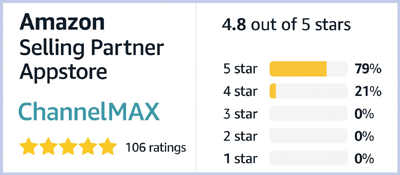
Check ChannelMAX at Amazon Selling Partner Appstore, an application with a 5 star rating.