How to Protect Your Brand from Counterfeits on Amazon?
Effective Strategies to Safeguard Your Products and Brand Reputation on Amazon
By ChannelMAX Staff Writer
May-2025#07
As your brand becomes popular on Amazon, some people may try to take advantage of your success by selling fake or unauthorized products using your brand name. Building a trusted brand on Amazon takes time, effort, and money. But all that hard work can be ruined quickly by counterfeiters—people who sell fake or unauthorized versions of your products. These fake listings not only steal your sales but also affect your brand’s image and make customers lose trust in you.
Thankfully, Amazon has tools and programs to help protect your brand from these problems. In this blog, we’ll explain how you can keep your brand safe and stay in control of your product listings.
Why Counterfeits Are a Serious Threat? 
Fake (counterfeit) products are not just small issues—they can cause serious trouble for your business, customers, and brand reputation. Here’s why sellers must take this problem seriously on Amazon:
1. Revenue Loss
People selling fake versions of your products often undercut your prices by selling them at cheaper prices. This directly takes away your sales and reduces your profit margins, which can affect your overall business growth.
2. Damage to Brand Reputation
If customers buy fake products thinking they’re real, they may blame your brand when the product doesn’t work well. This can lead to bad reviews and unhappy customers, which damages your brand’s reputation and trust.
3. Increased Return Rates
Since fake products are usually of low quality, buyers often return them. This increases your return rate, lowers customer satisfaction, and increases your operational costs due to restocking, return processing, and lost sales.
4. Lower Product Rankings
Amazon A9 algorithm ranks products based on customer satisfaction, reviews, and return rates. If fake products cause negative reviews and high returns, your product’s ranking may drop in search results, reducing visibility and future sales opportunities.
5. Legal and Compliance Risks
Selling counterfeit or mislabeled items on Amazon can lead to legal problems, even if you are not the one listing fake products. Your account might be suspended, your brand could be flagged, and you could face fines, especially in regions with strict consumer protection laws.
The Importance of Protecting Your Amazon Brand
Selling on Amazon is very competitive. That’s why protecting your brand is not just a precaution—it's a necessity. Fake products and unauthorized sellers can harm the integrity of your brand, make customers lose trust, and reduce your profits. Whether you're a small business or a big brand, keeping your brand safe helps your business grow and keeps your customers happy.
1. Preserve Customer Trust
Customers trust you to deliver good quality. If they get fake or low-quality products, they’ll leave bad reviews, complain, or return items. This can hurt your brand’s name. Protecting your brand ensures people get the right product and stay happy with your service.
2. Safeguard Profit Margins
Unauthorized sellers often lower prices to get sales. This can force you to drop your prices too, which means less profit. By removing these sellers, you can maintain control over your listings and keep your pricing the way you want.
3. Maintain Control Over Listings
When your brand is protected, only you can make changes to your product pages—like the images, titles, and descriptions. This helps avoid wrong or misleading information that could confuse buyers or harm your brand image.
4. Avoid Legal and Compliance Issues
Fake products might violate safety rules, copyright laws, or Amazon’s own rules. If your brand is copied, you could get into trouble even if the product isn’t yours. Brand protection keeps you safe from these risks, and you’re less likely to get into trouble for things you didn’t sell.
5. Strengthen Your Market Position
A brand that’s protected looks professional and stands stronger against competitors. When you register your brand and take action against rule-breakers, it shows that you are serious about your business and not vulnerable to exploitation.
How to Identify Counterfeit Listings on Amazon? 
Protecting your brand starts with identifying problems early. If you can notice signs of fake products, you can act fast before it affects your business. Here are some simple signs to look for:
1. Sudden Drop in Sales
If your sales suddenly go down without any clear reason, it could mean someone is selling a fake version of your product. Fake sellers often offer lower prices, which attracts your regular customers away from your listing. Keep an eye on your daily or weekly sales reports to catch any strange drops early.
2. Bad or Strange Customer Reviews
Pay attention to your customer reviews. If people start complaining that the product is different than expected, damaged, or of poor quality, they might have received a fake product. Other complaints may include mentions of strange packaging, missing parts, or items that don't match the photos on your page. You can reply to these reviews to understand more and flag them for Amazon if needed.
3. Very Low Prices from Unknown Sellers
When you notice your product listed at a much lower price than usual, especially from sellers with no or low feedback, it's a red flag. These sellers may be selling fake products or trying to undercut your price unfairly. Always check who the seller is, and report suspicious ones through Amazon’s Brand Registry or Report Infringement tools.
4. Small Changes in Product Listings
Look out for listings that copy your product but have slight changes in their product listings. Fake listings may look like yours at first glance, but with small differences.
Watch for changes in:
a. Product titles
b. Images (lower quality or different angles)
c. Descriptions (poor grammar or missing details)
d. Bullet points (incomplete or misleading)
Counterfeiters often do this to avoid being flagged while still fooling customers.
5. Increased Return or Refund Requests
If you notice more customers are returning items or asking for refunds, especially saying the product is fake or doesn’t match the listing, it’s a strong sign that fake products are reaching your customers. This can harm your seller rating and customer trust. Track return reasons regularly and follow up with Amazon support if counterfeits are suspected.
Steps to Protect Your Amazon Brand from Counterfeiters
1. Enroll in Amazon Brand Registry
Amazon Brand Registry is the first and most important step in protecting your brand from counterfeiters. When you sign up, you get special tools to keep your brand safe and give your customers a trustworthy shopping experience.
What It Does:
Brand Registry gives you more control over your product listings. It helps prevent unauthorized sellers from altering your content and finding fake products using smart tools.
Who Can Join:
To enroll, you must have a registered and active trademark in the country where you sell. You also need to provide proof that you own or work for the brand.
Benefits:
a. You can use A+ Content, create your own Amazon Store, and run Sponsored Brand ads.
b. Protection from listing hijacking and unauthorized changes by other sellers.
c. Allows you to use additional protection tools like Transparency, IP Accelerator, and Project Zero.
If you want to protect your brand on Amazon for the long run, signing up for Brand Registry is a must.
Also Read: Mastering Amazon A+ Content: Guidelines for Creating High-Impact Product
2. Use Amazon’s Transparency Program
The Amazon Transparency Program is a product serialization service that helps prevent counterfeits before they reach customers. It lets brands mark each product they make and sell on Amazon with a unique code.
How It Works:
After you join, you add a unique Transparency code to each unit of your product. When the product arrives at Amazon’s warehouse or a customer scans it using the Transparency app, Amazon verifies the authenticity of the item before it’s shipped. If the code is missing or fake, Amazon removes the item.
Why It’s Effective:
Transparency stops counterfeiters. Since fake sellers can't copy your unique codes, only real products are sent to customers. This reduces the chances of fake items being sold under your brand, helping protect your name.
Additional Benefits:
a. Enhances customer trust because buyers can check if a product is real.
b. Helps track inventory and monitor the supply chain.
c. Works seamlessly with FBA and FBM
This program is especially useful for high-demand or high-value products that are often copied.
3. Monitor Listings and Seller Activity Regularly
To protect your brand from unauthorized sellers and counterfeit products, you need to check your listings regularly. Even though Amazon has some safety rules, fake sellers can still find ways to sneak into your listing if you're not actively monitoring them.
Why Monitoring Matters:
Fake sellers may copy your product listings, change details, or sell under your product page (ASIN) at very low prices. If left unchecked, these listings can damage your brand reputation, make customers lose trust, and lead to bad reviews.
What to Do:
a. Use tools like Amazon Brand Analytics or third-party tools to track seller activity and listing changes.
b. Regularly check for any “hijackers”—unauthorized sellers selling your product without permission at very low prices or with incorrect descriptions.
c. Monitor customer reviews for signs of counterfeit complaints, like “item is different from image” or “seems fake.”
Helpful Tips:
a. Set up alerts for new sellers on your listings.
b. Conduct regular audits of your ASINs to ensure all product content, images, and pricing are correct.
c. Report anything suspicious to Amazon using their Report Infringement tool.
By monitoring regularly, you can stop problems early and keep your brand safe.
4. Register with Amazon Project Zero
Amazon Project Zero is a special program that helps brands remove fake (counterfeit) products from the Amazon marketplace. This program uses machine learning and brand-provided data to detect and remove counterfeit listings.
Why It’s Important:
Project Zero gives brands direct control to remove fake listings without waiting for Amazon to do it. This is especially helpful for brands frequently targeted by counterfeit sellers.
Key Features of Amazon Project Zero:
a. Automated Protections: Amazon uses machine learning to automatically find and remove fake listings, based on the data you provide them.
b. Self-Service Removal Tool: Project Zero allows brands to remove fake listings directly, without having to file a claim.
c. Serialization Service (Optional): Brands can add a unique code to each product, allowing Amazon to verify the authenticity when someone buys it.
How to Join:
a. You must be part of the Amazon Brand Registry.
b. You should have a good track record of reporting fake products accurately.
c. Apply through the Project Zero section in Brand Registry.
Benefits:
a. Quickly remove counterfeit listings.
b. Less dependency on Amazon’s support team.
c. Improved customer trust through better product authenticity.
By joining Project Zero, you can protect your brand better and stop unauthorized sellers more efficiently.
5. Take Legal Action When Necessary
Sometimes, even after doing everything to stop fake sellers, some counterfeiters continue to violate your brand rights. In such cases, you may need to take legal action to protect your brand.
Why It’s Important:
Taking legal action shows that you are serious about protecting your brand from counterfeiting. It also gives you a way to get compensation and possibly remove the fake sellers from Amazon and other sites.
How to Take Legal Action:
a. Send a Cease and Desist Letter: This is a formal letter asking the counterfeit seller to stop selling fake products or using your brand name. It's often the first legal step.
b. Talk to an IP Lawyer: Consult with a lawyer who specializes in intellectual property (IP) to understand your situation and decide on the best legal approach.
c. File a Lawsuit: If the seller doesn't stop, you might need to file a lawsuit for trademark infringement, copyright violation, or unfair competition.
d. Report to Authorities: In serious cases, you can report counterfeiters to government agencies.
Amazon's Support for Legal Action:
Although Amazon doesn’t directly handle brand lawsuits, your legal actions can help in future requests to enforce your rights and improve your brand protection on Amazon.
While taking legal action can be more complicated and costly, it’s often necessary for high-value or widely counterfeited brands. It helps protect your brand in the long term and removes repeat offenders from the market.
6. Educate Your Customers to Report Fakes
Your customers can help stop fake products—if they know how to spot them and what to do. Educating your buyers about how to find and report fake products helps you catch issues faster and strengthens customer trust.
Why It Matters:
Even with tools like Brand Registry and Project Zero, some fake products can still appear. When customers report these, it helps protect your brand and keeps other buyers from having a bad experience.
Tips to Educate Customers:
a. Use Follow-Up Emails: After a purchase, send an email with information on how to check if the product is real and where to report suspicious products.
b. Add Instructions to Packaging: Include a card or note in the package that explains how to check if it’s a real product and provides contact details for reporting counterfeits.
c. Create a Dedicated Page on Your Website: Create a page with pictures and steps to help people differentiate between real and fake products.
d. Leverage Social Media: Post awareness content once in a while showing how to spot fake products, especially during big sales.
Encourage Reporting:
Tell customers they can report fake products on Amazon’s official counterfeit reporting page using the Report Infringement Form, or they can contact your brand’s support team. When you make it easy and respond quickly, customers are more likely to help and trust your brand even more.
Conclusion
Protecting your Amazon brand from counterfeiters is not something you do just once — it’s something you need to keep doing regularly. With programs like Brand Registry, Transparency, and Project Zero, Amazon provides powerful tools to help real brand owners protect their products and reputation.
But to be successful, you also need to monitor your listings proactively, educate your customers, and stay alert for red flags. By using all the tools and taking many steps together, you can lower the risk of fake products, earn customer trust, and grow your brand successfully on Amazon.
Also Read: Amazon Click-Through Rate (CTR): What It Is and Why It Matters
Disclaimer:
Amazon is the registered trademark of the e-commerce brand.
About ChannelMAX.NET:
ChannelMAX offers Amazon Repricer that runs on the latest AI Repricing agents to do Amazon Pricing Management or Amazon Repricing. Based on Amazon SP API, the repricing engine or repricer runs 24/7 and efficiently manages Amazon prices to maximize your BuyBox with profit optimization. Established in 2005, ChannelMAX has been integrated with Amazon technology since 2007, helping thousands of third-party sellers on various eCommerce platforms. Some of the eCommerce platforms, aka marketplaces, supported by ChannelMAX.NET, are Amazon, Walmart, eBay, and Shopify. Some of ChannelMAX key offerings include ChannelMAX Amazon Repricer, 2ndly, ChannelMAX Amazon FBA Audits and FBA Refunds management, an offering for managing Amazon FBA Refunds Reimbursement management for lost or damaged or misplaced inventory for which Amazon is responsible and for which sellers deserve appropriate credit reimbursement from Amazon. ChannelMAX Services offer Remote (aka Virtual) Full-Time eCommerce Assistant to help 3P sellers run their daytoday business.
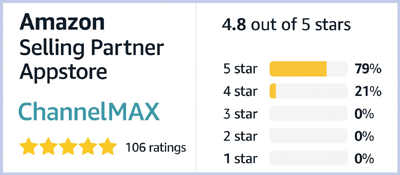
Check ChannelMAX at Amazon Selling Partner Appstore, an application with a 5 star rating.