Media Planning for E-commerce Success
A Step-by-Step Guide to Maximizing Your Online Store’s Visibility
In today’s fast-paced digital landscape, e-commerce sellers need more than just great products to stand out. Strategic media planning ensures you reach the right audience at the right time using the proper channels. From choosing which platforms to advertise on, to understanding how paid and unpaid media can work together, media planning lays the foundation for every successful ad campaign. In this article, we’ll explore media planning, why it matters for e-commerce businesses, and how you can implement it effectively to boost sales and brand recognition.

What Is Media Planning?
Media planning is the deliberate process advertisers and businesses undertake to decide where, when, and how their ads will appear before launching a campaign. It’s about strategizing and documenting every detail—such as budget, target audience, channel selection, and key messaging—so you can maximize your return on investment (ROI). For e-commerce sellers, media planning usually focuses on digital channels (like social media, search engines, and email marketing). Still, it can also include traditional mediums if it makes sense for your brand.
Key benefits of having a dedicated media plan for e-commerce:
• Better targeting: Identify which platforms (e.g., Facebook, Instagram, Google Ads, or niche e-commerce sites) are most effective for reaching specific customer segments.
• Cohesive brand presence: Maintain consistent messages and visuals across various channels, ensuring a unified shopping experience.
• Optimized spending: Make data-driven decisions that prevent overspending on unproductive channels.
• Informed experimentation: Test new advertising channels or tactics (e.g., influencer marketing or TikTok ads) in a controlled, strategic manner.
Also Read: FBA Refunds Made Easy: Why You Need Amazon Reimbursement Software?
Why Is Media Planning Important for E-commerce Sellers?
1. Staying Organized
A well-structured media plan keeps you on track amid multiple tasks—inventory management, customer support, and marketing. By laying everything out, you’ll see exactly where your resources are going, making it easier to adjust on the fly.
2. Budget Management
With a clear media plan, you can set and monitor your ad spend per platform, ensuring your budget is allocated most profitably. This vigilance helps e-commerce sellers avoid draining their budgets on underperforming channels.
3. Audience Understanding
Creating a media plan forces you to conduct thorough audience research—uncovering demographics, shopping behaviour, and pain points. This knowledge is invaluable for e-commerce sellers aiming to personalize the customer journey.
4. Competitive Insights
Through competitor analysis, you can see the marketing channels and tactics others in your niche use. This helps benchmark your campaigns and highlights gaps you can exploit to stand out.
5. Scalability
As your e-commerce business grows, a transparent media planning framework makes scaling campaigns more efficient. You already know the channels, budgets, and messaging strategies that work—so you can expand these efforts.
How Do I Build a Media Plan for My E-commerce Store?
Building a media plan might sound daunting, but breaking it down into clear steps can simplify the process:
1. Research and Analysis
• Identify your target market: Who will most likely buy your product (e.g., age, location, interests)?
• Analyze past campaigns: If you’ve run campaigns before, assess what worked and what didn’t.
• Check out peers and competitors: What platforms are they using? How do they engage their audience?
2. Define Marketing Objectives and Key Performance Indicators (KPIs)
• Set clear goals: Increase brand awareness, boost website traffic, or drive sales.
• Determine KPIs: Conversion rate, cost per click (CPC), return on ad spend (ROAS), social media engagement, or email open rates.
• Align with business milestones: Make sure your marketing targets support your overall e-commerce objectives, such as new product launches or seasonal promotions.
3. Develop Your Media Strategy
• Budget and Channel Allocation: Decide how much to spend on each channel. For instance, 40% on Google Ads, 30% on social media ads, 20% on influencer marketing, and 10% on experimental channels.
• Messages and Calls to Action (CTA): Craft compelling, action-oriented copy that tells your audience what to do next—“Shop Now,” “Sign Up,” or “Learn More.”
• Specifications and Deliverables: Note the formats (e.g., vertical videos for Instagram Stories, short videos for TikTok), deadlines, and creative needs (images, videos, copy).
• Timeline: Make out a schedule for each ad and factor in key shopping seasons like Black Friday, Cyber Monday, or holiday sales.
4. Implementation, Evaluation, and Measurement
• Launch: Roll out your ads according to your plan.
• Monitor: Track real-time metrics—like clicks, conversions, or cost per acquisition (CPA)—to see if each channel delivers results.
• Optimize: Adjust budgets and content based on performance. If a particular social media channel isn’t bringing conversions, consider scaling back spending or revisiting your ad creative.
• Final Assessment: Evaluate overall campaign success by comparing results against your KPIs. Document the lessons learned to inform future media plans.
Also Read: Increase Your Amazon FBA Margins: A Step-by-Step Seller Guide
What Is the Media Planning Process?
While the building blocks above outline the ‘what’ of media planning, the process typically follows these steps:
1. Conduct Research and Analysis
Gather stakeholder input, review past campaigns, and pinpoint your ideal audiences.
2. Define Objectives and KPIs
Determine success—whether it’s increased sales, newsletter sign-ups, or brand awareness.
3. Budgeting and Channel Selection
Allocate funds to the most relevant platforms. Don’t stop experimenting with new, rising platforms like TikTok or social commerce features on Instagram.
4. Content Creation and Timeline
Develop a creative ad that resonates with your target audience. Plan specific launch dates for key e-commerce events (e.g., product launches or holiday seasons).
5. Launch and Monitor
Track performance as soon as ads go live. Use A/B testing for headlines, visuals, or CTAs to find what resonates best with your audience.
6. Evaluate and Adjust
Use metrics to refine ongoing campaigns. Post-campaign, analyze results to shape your next media plan.
Paid vs. Unpaid Media for E-commerce
Paid and unpaid media form the two pillars of your overall marketing mix:
• Paid Media
- Examples: Google Ads, Facebook Ads, sponsored Instagram posts, display ads, influencer partnerships, or Amazon Sponsored Products.
- Advantage: Guaranteed reach, visibility, and more precise audience targeting.
- Consideration: It can quickly become costly if campaigns aren’t optimized.
• Unpaid Media
- Examples: Organic social media posts, blog articles on your website, email newsletters, community forums, or guest posts on relevant blogs.
- Advantage: Builds trust and authenticity over time. Potentially offers a high return on lower investment (time and effort rather than direct ad costs).
- Consideration: Organic reach can be limited; success often depends on consistent, high-quality content and SEO strategies.
Latest Trends and Considerations for E-commerce Media Planning
• Social Commerce: Platforms like Instagram and TikTok now offer built-in shopping features, helping you capitalize on impulse purchases.
• Influencer Marketing: Working with micro-influencers in niche markets can effectively reach highly engaged audiences.
• Retargeting Campaigns: Use retargeting ads to bring back users who added products to their cart but didn’t complete the purchase.
• AI-driven Insights: Leverage AI tools to analyze audience behaviour, forecast trends, and optimize real-time ad placements.
Media planning is crucial for e-commerce sellers who want to capture attention, drive sales, and stand out in a competitive market. By carefully researching your audience, setting clear objectives, choosing the most effective channels, and consistently monitoring your campaigns, you can maximize ROI and scale your online business. Remember that the digital environment is constantly evolving—continuous testing, learning, and refinement will help keep your brand on the cutting edge.
Also Read: Automated Repricers: What Should You Spend and What Features Matter?
By ChannelMAX Staff Writer
Dec-2024#28
In today’s fast-paced digital landscape, e-commerce sellers need more than just great products to stand out. Strategic media planning ensures you reach the right audience at the right time using the proper channels. From choosing which platforms to advertise on, to understanding how paid and unpaid media can work together, media planning lays the foundation for every successful ad campaign. In this article, we’ll explore media planning, why it matters for e-commerce businesses, and how you can implement it effectively to boost sales and brand recognition.
What Is Media Planning?
Media planning is the deliberate process advertisers and businesses undertake to decide where, when, and how their ads will appear before launching a campaign. It’s about strategizing and documenting every detail—such as budget, target audience, channel selection, and key messaging—so you can maximize your return on investment (ROI). For e-commerce sellers, media planning usually focuses on digital channels (like social media, search engines, and email marketing). Still, it can also include traditional mediums if it makes sense for your brand.
Key benefits of having a dedicated media plan for e-commerce:
• Better targeting: Identify which platforms (e.g., Facebook, Instagram, Google Ads, or niche e-commerce sites) are most effective for reaching specific customer segments.
• Cohesive brand presence: Maintain consistent messages and visuals across various channels, ensuring a unified shopping experience.
• Optimized spending: Make data-driven decisions that prevent overspending on unproductive channels.
• Informed experimentation: Test new advertising channels or tactics (e.g., influencer marketing or TikTok ads) in a controlled, strategic manner.
Also Read: FBA Refunds Made Easy: Why You Need Amazon Reimbursement Software?
Why Is Media Planning Important for E-commerce Sellers?
1. Staying Organized
A well-structured media plan keeps you on track amid multiple tasks—inventory management, customer support, and marketing. By laying everything out, you’ll see exactly where your resources are going, making it easier to adjust on the fly.
2. Budget Management
With a clear media plan, you can set and monitor your ad spend per platform, ensuring your budget is allocated most profitably. This vigilance helps e-commerce sellers avoid draining their budgets on underperforming channels.
3. Audience Understanding
Creating a media plan forces you to conduct thorough audience research—uncovering demographics, shopping behaviour, and pain points. This knowledge is invaluable for e-commerce sellers aiming to personalize the customer journey.
4. Competitive Insights
Through competitor analysis, you can see the marketing channels and tactics others in your niche use. This helps benchmark your campaigns and highlights gaps you can exploit to stand out.
5. Scalability
As your e-commerce business grows, a transparent media planning framework makes scaling campaigns more efficient. You already know the channels, budgets, and messaging strategies that work—so you can expand these efforts.
How Do I Build a Media Plan for My E-commerce Store?
Building a media plan might sound daunting, but breaking it down into clear steps can simplify the process:
1. Research and Analysis
• Identify your target market: Who will most likely buy your product (e.g., age, location, interests)?
• Analyze past campaigns: If you’ve run campaigns before, assess what worked and what didn’t.
• Check out peers and competitors: What platforms are they using? How do they engage their audience?
2. Define Marketing Objectives and Key Performance Indicators (KPIs)
• Set clear goals: Increase brand awareness, boost website traffic, or drive sales.
• Determine KPIs: Conversion rate, cost per click (CPC), return on ad spend (ROAS), social media engagement, or email open rates.
• Align with business milestones: Make sure your marketing targets support your overall e-commerce objectives, such as new product launches or seasonal promotions.
3. Develop Your Media Strategy
• Budget and Channel Allocation: Decide how much to spend on each channel. For instance, 40% on Google Ads, 30% on social media ads, 20% on influencer marketing, and 10% on experimental channels.
• Messages and Calls to Action (CTA): Craft compelling, action-oriented copy that tells your audience what to do next—“Shop Now,” “Sign Up,” or “Learn More.”
• Specifications and Deliverables: Note the formats (e.g., vertical videos for Instagram Stories, short videos for TikTok), deadlines, and creative needs (images, videos, copy).
• Timeline: Make out a schedule for each ad and factor in key shopping seasons like Black Friday, Cyber Monday, or holiday sales.
4. Implementation, Evaluation, and Measurement
• Launch: Roll out your ads according to your plan.
• Monitor: Track real-time metrics—like clicks, conversions, or cost per acquisition (CPA)—to see if each channel delivers results.
• Optimize: Adjust budgets and content based on performance. If a particular social media channel isn’t bringing conversions, consider scaling back spending or revisiting your ad creative.
• Final Assessment: Evaluate overall campaign success by comparing results against your KPIs. Document the lessons learned to inform future media plans.
Also Read: Increase Your Amazon FBA Margins: A Step-by-Step Seller Guide
What Is the Media Planning Process?
While the building blocks above outline the ‘what’ of media planning, the process typically follows these steps:
1. Conduct Research and Analysis
Gather stakeholder input, review past campaigns, and pinpoint your ideal audiences.
2. Define Objectives and KPIs
Determine success—whether it’s increased sales, newsletter sign-ups, or brand awareness.
3. Budgeting and Channel Selection
Allocate funds to the most relevant platforms. Don’t stop experimenting with new, rising platforms like TikTok or social commerce features on Instagram.
4. Content Creation and Timeline
Develop a creative ad that resonates with your target audience. Plan specific launch dates for key e-commerce events (e.g., product launches or holiday seasons).
5. Launch and Monitor
Track performance as soon as ads go live. Use A/B testing for headlines, visuals, or CTAs to find what resonates best with your audience.
6. Evaluate and Adjust
Use metrics to refine ongoing campaigns. Post-campaign, analyze results to shape your next media plan.
Paid vs. Unpaid Media for E-commerce
Paid and unpaid media form the two pillars of your overall marketing mix:
• Paid Media
- Examples: Google Ads, Facebook Ads, sponsored Instagram posts, display ads, influencer partnerships, or Amazon Sponsored Products.
- Advantage: Guaranteed reach, visibility, and more precise audience targeting.
- Consideration: It can quickly become costly if campaigns aren’t optimized.
• Unpaid Media
- Examples: Organic social media posts, blog articles on your website, email newsletters, community forums, or guest posts on relevant blogs.
- Advantage: Builds trust and authenticity over time. Potentially offers a high return on lower investment (time and effort rather than direct ad costs).
- Consideration: Organic reach can be limited; success often depends on consistent, high-quality content and SEO strategies.
Latest Trends and Considerations for E-commerce Media Planning
• Social Commerce: Platforms like Instagram and TikTok now offer built-in shopping features, helping you capitalize on impulse purchases.
• Influencer Marketing: Working with micro-influencers in niche markets can effectively reach highly engaged audiences.
• Retargeting Campaigns: Use retargeting ads to bring back users who added products to their cart but didn’t complete the purchase.
• AI-driven Insights: Leverage AI tools to analyze audience behaviour, forecast trends, and optimize real-time ad placements.
Media planning is crucial for e-commerce sellers who want to capture attention, drive sales, and stand out in a competitive market. By carefully researching your audience, setting clear objectives, choosing the most effective channels, and consistently monitoring your campaigns, you can maximize ROI and scale your online business. Remember that the digital environment is constantly evolving—continuous testing, learning, and refinement will help keep your brand on the cutting edge.
Also Read: Automated Repricers: What Should You Spend and What Features Matter?
About ChannelMAX.NET:
ChannelMAX offers Amazon Repricer that runs on the latest AI Repricing algorithm to do Amazon Pricing Management or Amazon Repricing. Based on Amazon SP API, the repricing engine or repricer runs 24/7 and efficiently manages Amazon prices to maximize your BuyBox with profit optimization. Established in 2005, ChannelMAX has been integrated with Amazon technology since 2007, helping thousands of third-party sellers on various eCommerce platforms. Some of the eCommerce platforms, aka marketplaces, supported by ChannelMAX.NET, are Amazon, Walmart, eBay, and Shopify. Some of ChannelMAX key offerings include ChannelMAX Amazon Repricer, 2ndly, ChannelMAX Amazon FBA Audits and FBA Refunds management, an offering for managing Amazon FBA Refunds Reimbursement management for lost or damaged or misplaced inventory for which Amazon is responsible and for which sellers deserve appropriate credit reimbursement from Amazon. ChannelMAX Services offer Remote (aka Virtual) Full-Time eCommerce Assistant to help 3P sellers run their daytoday business.
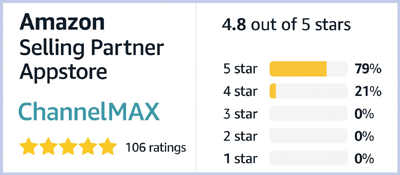
Check ChannelMAX at Amazon Selling Partner Appstore, an application with a 5 star rating.
ChannelMAX offers Amazon Repricer that runs on the latest AI Repricing algorithm to do Amazon Pricing Management or Amazon Repricing. Based on Amazon SP API, the repricing engine or repricer runs 24/7 and efficiently manages Amazon prices to maximize your BuyBox with profit optimization. Established in 2005, ChannelMAX has been integrated with Amazon technology since 2007, helping thousands of third-party sellers on various eCommerce platforms. Some of the eCommerce platforms, aka marketplaces, supported by ChannelMAX.NET, are Amazon, Walmart, eBay, and Shopify. Some of ChannelMAX key offerings include ChannelMAX Amazon Repricer, 2ndly, ChannelMAX Amazon FBA Audits and FBA Refunds management, an offering for managing Amazon FBA Refunds Reimbursement management for lost or damaged or misplaced inventory for which Amazon is responsible and for which sellers deserve appropriate credit reimbursement from Amazon. ChannelMAX Services offer Remote (aka Virtual) Full-Time eCommerce Assistant to help 3P sellers run their daytoday business.
Check ChannelMAX at Amazon Selling Partner Appstore, an application with a 5 star rating.