Increase Your Amazon FBA Margins: A Step-by-Step Seller Guide

Understanding the Importance of Amazon FBA Profit Margin for Business Success
By ChannelMAX Staff Writer
Dec-2024#27
Running an Amazon FBA business can be profitable, but making more profit from each product is important for long-term success. Selling on Amazon is not just about listing products—it’s also about keeping costs low and prices competitive. Many sellers face problems like rising fees, inventory costs, and pricing challenges. However, with proper planning, cost optimization, and the right tools, you can increase your profits. In this guide, we’ll share simple tips to help you improve your Amazon FBA profits and grow your business.
What is an Amazon Profit Margin?
An Amazon profit margin shows how much money a seller makes from a product after paying all the costs involved in selling on Amazon. It helps sellers understand how much profit they make.
To calculate the Amazon profit margin, the following formula is used:
Profit Margin = (Revenue - Costs) / Revenue × 100
Here’s what to consider when calculating the profit margin:
1. Revenue: This is the total money earned from selling a product, including the selling price and any extra fees like shipping or ads on Amazon.
2. Costs: These are the expenses involved in selling on Amazon, such as:
a. Product cost: The price paid to the supplier or manufacturer.
b. Amazon fees: These can include referral fees, FBA fees (if using Fulfillment by Amazon), storage fees, and other platform charges.
c. Shipping costs: Costs for sending the product to customers, whether you do it yourself or use FBA.
d. Advertising costs: Expenses for promoting your products on Amazon, like sponsored ads.
e. Other costs: Any additional costs such as packaging, returns, customer service, etc.
What is a Normal Profit Margin for Amazon FBA?
The normal profit margin for Amazon FBA (Fulfillment by Amazon) can change based on the type of product, competition, and how well a seller manages their costs. On average, most Amazon FBA businesses have a profit margin between 10% and 30%.
Here are some important factors that affect the profit margin for Amazon FBA:
1. Product Type and Niche: Low-cost, high-demand products usually have smaller profit margins (around 10%-15%). On the other hand, premium or niche products can have higher margins (up to 30% or more).
2. Amazon Fees: Amazon charges various fees, like referral fees, FBA fulfillment fees, and storage fees. These fees can take away a large part of the revenue, especially for low-priced items, which reduces the overall profit margin.
3. Cost of Goods Sold (COGS): The cost of sourcing or manufacturing the product plays a major role in determining profit margin. Sellers who can find cheaper suppliers or manage to lower their production costs can have better margins.
4. Shipping and Storage Costs: FBA storage fees (can change depending on the time of year) and shipping costs (from manufacturer to Amazon warehouse) can also lower your profits.
5. Advertising and Marketing: If sellers use Amazon ads, like Sponsored Products, may have extra costs that affect their margins. Effective ads can increase sales but also raise costs.
6. Operational Efficiency: Sellers who improve their operations, reduce returns, and manage inventory well can keep higher margins by cutting unnecessary expenses.
Why is Profit Margin an Important Metric for Amazon Sellers?
Profit margin is an important metric for Amazon sellers because it shows how much profit their business is making. It shows how much money remains after paying for all costs, like the product costs, Amazon fees, shipping, ads, and other expenses. It helps sellers understand if their business is making money and whether their pricing strategy is working.
A good profit margin lets sellers invest in more products, marketing, and business growth while staying competitive. It also helps sellers identify areas where they can cut costs, like reducing shipping fees or improving product listings and ads.
Tracking profit margins helps sellers make smart decisions, avoid setting prices too low, and keep their business profitable. Without this metric, sellers might lose money which can affect their long-term success. So, profit margin is not just about money—it's a sign of how healthy and sustainable the business is.
Steps to Improve Profit Margins on Amazon
1. Reduce FBA Fees and Costs: Amazon FBA fees can affect your profits, so it's important to reduce unnecessary charges. Check your FBA fee reports regularly to make sure you’re not being overcharged. Use smaller and lighter packaging materials to lower storage and shipping fees. Keep track of storage duration to avoid long-term storage fees, and clear out unsellable or unused inventory to save space and avoid penalties. Additionally, tools like ChannelMAX FBA RefundMAX can help you recover fees resulting from Amazon errors, providing an easy way to save money.
Also Read: How to Reduce Amazon FBA Fees
2. Optimize Pricing Strategies: Effective pricing strategies can help you stay competitive while protecting your margins. Use automated repricing tools like ChannelMAX to adjust prices based on market trends and competitors, so you can win the Buy Box. Keep an eye on market trends and seasonal demands to set profitable prices. You can also offer discounts for a limited time to attract more buyers while keeping regular prices high. Use Amazon’s analytics to analyze pricing patterns and improve your strategy.
3. Optimize Inventory Management: Efficient inventory management helps you avoid overstocking or running out of stock, which can save you money. Use forecasting tools to predict sales trends and keep the right amount of inventory. Track inventory movement to identify slow-moving products and run promotions to clear stock. Plan for seasonal changes by stocking up for peak periods while avoiding excess inventory during slower months. Minimize returns by writing clear product descriptions and use tools to automate inventory tracking.
4. Improve Supplier Relationships: Building good relationships with suppliers can help you get better deals and lower costs. Negotiate better rates for bulk orders, or consider sourcing products locally to reduce shipping and import expenses. Building long-term partnerships can lead to discounts and better service. Always check out other suppliers to keep prices competitive and ensure good quality. Simplify packaging and labeling by using affordable yet professional materials to further reduce costs.
5. Bundle Products for Higher Sales: Bundling products together can increase order value and boost profit margins. You can create value packs by grouping related items and selling them as a bundle. Seasonal gift sets can attract shoppers during holidays and special events. Offer discounts for bulk orders to encourage larger purchases. Highlight savings in your product listings to make bundles more appealing, and experiment with different combinations to find the best-selling bundles.
6. Leverage Amazon Ads to Boost Sales: Targeted advertising can drive more sales and improve profits. Use sponsored ads that focus on high-ranking keywords for more visibility. Promote your best-selling products to increase revenue and use retargeting to convert visitors into buyers. Check the performance of your ads regularly and adjust your budget based on results. You can also use Amazon coupons to offer discounts and attract more customers.
7. Minimize Returns and Refunds: Reducing returns and refunds can protect your profits. Write clear product descriptions to set correct expectations and use good-quality images or videos to boost buyer confidence. Use high-quality packaging to prevent damage during shipping and provide excellent customer support to quickly resolve issues. Collect and analyze feedback to identify and address common problems, minimizing future returns.
8. Maximize Profits with Reimbursement Claims: You can recover money lost due to Amazon FBA errors, such as damaged or missing inventory. Regularly audit your account for discrepancies in inventory, fees, and refunds. Submit claims promptly to recover lost money and use FBA refund services like ChannelMAX FBA RefundMAX to automate audits and claims.
Also Read: FBA Refunds Made Easy: Why You Need Amazon Reimbursement Software?
9. Focus on Upselling and Cross-Selling: Upselling and cross-selling strategies can help you make more sales. Suggest add-ons or accessories that go with the main product, and bundle popular items to increase order value. Offer discounts for larger orders and use targeted ads to show personalized recommendations to repeat customers. You can promote new products through email campaigns to introduce them to your existing customer base.
10. Monitor and Adjust Strategies Regularly: Keep optimizing your business to stay profitable. Track your profit margins monthly using reports to monitor costs, revenue, and profits. Watch what your competitors are doing and adjust your strategies accordingly. Experiment with different pricing models to see what works best for your business. Regularly review and use tools to enhance performance. Finally, stay updated on Amazon’s latest policies to remain compliant and avoid penalties.
Tools and Resources to Increase Your Amazon FBA Profit Margin

1. Inventory Management Tools: These tools help prevent stockouts, reduce overstocking, and minimize storage fees. They help track inventory, predict demand, and simplify order handling. ChannelMAX makes inventory tracking easy with real-time updates for better stock planning.
2. Repricing Tools: Repricing tools help sellers stay competitive by automatically adjusting prices based on market trends and competitors. ChannelMAX offers an automated repricing tool ChannelMAX Repricer to boost profits and win the Buy Box.
3. FBA Refund and Reimbursement Tools: Sellers often lose money due to Amazon errors, such as lost or damaged inventory and overcharged fees. Refund and reimbursement tools audit accounts and recover funds automatically. ChannelMAX FBA RefundMAX helps sellers reclaim refunds quickly, protecting profits and minimizing losses.
4. Advertising and PPC Management Tools: Targeted advertising helps increase visibility and sales. PPC tools track ad performance, improve targeting, and control costs to get the best results. They help sellers grow revenue without overspending.
Also Read: Amazon Advertising Campaign: A Complete Guide to Maximizing Sales
5. Accounting and Profit Tracking Tools: Accounting tools track expenses, calculate profits and monitor cash flow. They provide insights into financial performance, helping sellers check profitability and identify areas to cut costs or invest wisely.
Conclusion
To increase your Amazon FBA profit margin, you need to control costs, set the right prices, and use efficient tools. By getting better at sourcing products, managing your inventory, cutting fees, and using pricing tools like ChannelMAX, you can make more money and stay competitive.
Focus on long-term growth, stay updated on trends, and use data to make smart decisions to stay ahead of the competition. This will help grow your Amazon business while keeping your profits safe. With good planning and constant improvements, making more money becomes easier.
Also Read: Amazon Price Optimization Made Simple: A Guide for Sellers
Disclaimer:
Amazon is the registered trademark of the e-commerce brand.
ChannelMAX offers Amazon Repricer that runs on the latest AI Repricing agents to do Amazon Pricing Management or Amazon Repricing. Based on Amazon SP API, the repricing engine or repricer runs 24/7 and efficiently manages Amazon prices to maximize your BuyBox with profit optimization. Established in 2005, ChannelMAX has been integrated with Amazon technology since 2007, helping thousands of third-party sellers on various eCommerce platforms. Some of the eCommerce platforms, aka marketplaces, supported by ChannelMAX.NET, are Amazon, Walmart, eBay, and Shopify. Some of ChannelMAX key offerings include ChannelMAX Amazon Repricer, 2ndly, ChannelMAX Amazon FBA Audits and FBA Refunds management, an offering for managing Amazon FBA Refunds Reimbursement management for lost or damaged or misplaced inventory for which Amazon is responsible and for which sellers deserve appropriate credit reimbursement from Amazon. ChannelMAX Services offer Remote (aka Virtual) Full-Time eCommerce Assistant to help 3P sellers run their daytoday business.
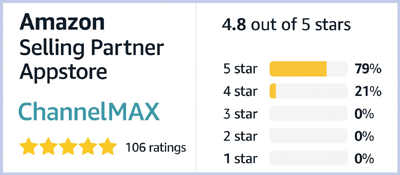
Check ChannelMAX at Amazon Selling Partner Appstore, an application with a 5 star rating.