How to Reduce Amazon FBA Fees
Smart strategies to minimize costs and maximize profits on Amazon FBA.
By ChannelMAX Staff Writer
Feb-2025#13
Amazon FBA (Fulfillment by Amazon) has made it easier for sellers to handle storage, shipping, and customer service. However, this convenience comes with a cost—FBA fees can take away a big part of your profits. As a seller, it’s important to find ways to lower these fees to keep your business profitable. In this guide, we’ll share tips to reduce Amazon FBA fees, so you can keep more of your money while still providing great service to your customers.
Understanding Amazon FBA Fees
Before reducing fees, it’s important to know what Amazon FBA fees include. The fees include several components:
1. Fulfillment Fees: These fees are for picking, packing, and shipping your products. They depend on the size and weight of the product.
2. Storage Fees: Monthly fees for keeping your products in Amazon’s fulfillment centers. If items are stored for 181 days and above, aged inventory surcharge apply.
a. Items stored for 181-210 days – $0.50 per cubic foot
b. Items stored for 211-240 days – $1.00 per cubic foot
c. Items stored for 241-270 days – $1.50 per cubic foot
d. Items stored for 271-300 days – $3.80 per cubic foot
e. Items stored for 301-330 days – $4.00 per cubic foot
f. Items stored for 331-365 days – $4.20 per cubic foot
g. Items stored for 365 days or more – $6.90 per cubic foot or $0.15 per unit, whichever is greater
3. Referral Fees: Amazon takes a percentage of the product’s selling price, usually between 6% and 45%, depending on the product category.
4. Other Fees: These include fees for processing returns, unplanned prep services, and removal orders.
Understanding these components will help you identify where you can cut costs.
Strategies to Reduce Amazon FBA Fees
1. Optimize Product Dimensions and Weight
Amazon calculates fulfillment fees based on your product's size and weight. Keeping your product smaller or lighter can save you money.
Why It Matters: Even a tiny difference in size or weight can move your product into a higher fee category, increasing your costs.
How to Do It:
a. Use compact, lightweight materials for packaging to ensure your product fits into the smallest size tier possible.
b. Double-check Amazon's measurements and weight rules for your products. Incorrect dimensions can lead to overcharges, so always verify with Amazon Seller Support if needed.
2. Focus on Inventory Management
Good inventory management is one of the most effective ways to reduce unnecessary storage costs.
Why It Matters: Amazon charges monthly storage fees and higher long-term storage fees for products stored for over 365 days.
How to Do It:
a. Regularly audit your inventory to identify slow-moving or unsellable products.
b. Use Amazon's Inventory Performance Index (IPI) and Performance Dashboard to monitor your inventory health.
c. Leverage tools to forecast demand and avoid overstocking or running out of stock.
3. Bundle Products
Bundling means selling multiple items together as one package, which helps lower fulfillment fees for each product.
Why It Matters: Instead of paying separate fees for two products, bundling them lets you pay a single fee while offering a value pack to customers.
How to Do It:
a. Group items that go well together (like a yoga mat with a yoga strap).
b. Use customer data to identify products that are often bought together.
c. Ensure the bundled items are useful and meet customer needs, and clearly show what’s included in your listing to avoid confusion.
4. Avoid Aged Inventory Surcharge
Amazon charges much higher fees for items stored in their warehouses for over 181 days compared to regular monthly fees.
Why It Matters: Products sitting in Amazon’s warehouse can cost you extra money and reduce your profits.
How to Do It:
a. Offer seasonal promotions or discounts to clear out older inventory.
b. Create removal orders for slow-selling products and store them elsewhere or sell them on other platforms.
c. Use Amazon’s FBA Inventory Age report to identify items nearing the long-term storage limit.
5. Check Your Product Pricing
It’s important to price your products competitively while covering all your costs to stay profitable.
Why It Matters: If your price is too high, customers may not buy. If it’s too low, you’ll make less profit. Finding the right price is key.
How to Do It:
a. Use tools like ChannelMAX Repricer to automatically adjust prices. This ensures your products remain competitive without sacrificing profitability.
b. Include all costs, including FBA fees, referral fees, and advertising expenses, before finalizing your price.
6. Switch to FBM for Certain Products
If you have products with low profits or large sizes, Fulfillment by Merchant (FBM) can be a cost-effective alternative to FBA.
Why It Matters: Oversized products cost higher storage and fulfillment fees under FBA. FBM allows you to handle storage and shipping yourself, saving money.
How to Do It:
a. Check the costs for packaging, shipping, and labor if you fulfill orders yourself.
b. Use FBM for oversized or slow-selling products where FBA fees are too high.
Also Read: Amazon FBM Explained: A Complete Guide to Selling & Shipping Yourself
7. Audit Your FBA Fees Regularly
Amazon sometimes overcharges fees due to incorrect product measurements or weight discrepancies. Checking your fees regularly can help recover the overcharged amounts.
Why It Matters: Incorrect fees can add up over time, resulting in significant losses.
How to Do It:
a. Use tools like FBA RefundMAX by ChannelMAX to identify discrepancies and file reimbursement claims.
b. Check your Fee Preview report in Seller Central regularly for any errors.
8. Take Advantage of Seasonal Demand
Strategically plan your inventory for peak seasons to make the most of storage and fulfillment.
Why It Matters: Seasonal products sell faster and help you reduce the time your items stay in Amazon’s warehouse.
How to Do It:
a. Plan your inventory for holidays, sales, and peak demand times.
b. Use seasonal trends data to decide the best time to send your inventory.
Conclusion
To lower Amazon FBA fees, you need good planning, smart inventory management, and the right tools. Focus on optimizing product dimensions, managing inventory effectively, and auditing fees regularly. These steps can help you save money and increase profits. Use these tips to get the best out of Amazon FBA while keeping costs under control.
Also Read: Is Fulfillment by Amazon (FBA) Worth It? A Comprehensive Guide for Sellers
Disclaimer:
Amazon is the registered trademark of the e-commerce brand.
About ChannelMAX.NET:
ChannelMAX offers Amazon Repricer that runs on the latest AI Repricing agents to do Amazon Pricing Management or Amazon Repricing. Based on Amazon SP API, the repricing engine or repricer runs 24/7 and efficiently manages Amazon prices to maximize your BuyBox with profit optimization. Established in 2005, ChannelMAX has been integrated with Amazon technology since 2007, helping thousands of third-party sellers on various eCommerce platforms. Some of the eCommerce platforms, aka marketplaces, supported by ChannelMAX.NET, are Amazon, Walmart, eBay, and Shopify. Some of ChannelMAX key offerings include ChannelMAX Amazon Repricer, 2ndly, ChannelMAX Amazon FBA Audits and FBA Refunds management, an offering for managing Amazon FBA Refunds Reimbursement management for lost or damaged or misplaced inventory for which Amazon is responsible and for which sellers deserve appropriate credit reimbursement from Amazon. ChannelMAX Services offer Remote (aka Virtual) Full-Time eCommerce Assistant to help 3P sellers run their daytoday business.
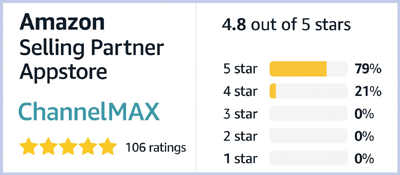
Check ChannelMAX at Amazon Selling Partner Appstore, an application with a 5 star rating.