Repricing Strategies for Slow-Moving SKUs on Amazon
Practical Ways to Move Stuck Inventory Without Killing Your Margins
By ChannelMAX Staff Writer
Feb-2026#A02
Slow-moving SKUs can slowly damage your Amazon business. These products sit in your inventory for weeks or even months, tying up your money and increasing storage costs. At first, they don’t seem like a big issue, but over time, they can eat into your profits. Many sellers realize there’s a problem only when long-term storage charges start adding up to their account.
What most sellers don’t realize is that slow sales are often connected to pricing, but not in the way you might expect. The goal isn’t to keep lowering prices, but to make small, timely adjustments that help your product remain competitive and visible. With the right approach, you can move stuck inventory, free up cash, and reduce storage costs without hurting your margins.
In this article, we’ll look at how smart repricing can help you sell slow-moving inventory without cutting prices too much or starting a price war.
What Are Slow-Moving SKUs on Amazon?
Slow-moving SKUs are products that don’t sell as quickly as they should. These items usually:
a. Have very low sales compared to similar products
b. Sit in inventory for a long time
c. Get traffic but very few conversions
d. Losing the Buy Box often or never winning it at all
e. Slowly increase storage and aging inventory fees
This doesn’t always mean the product is poor or unwanted. In many cases, the issue is pricing. When the price is not aligned with the current market, even a good product can start moving very slowly.
Many sellers leave these listings untouched until Amazon’s storage fees start adding up. By that time, profits are already under pressure.
Common Reasons SKUs Become Slow-Moving
1. Increased Competition and Market Changes:
Amazon is highly competitive, and new sellers can enter a listing at any time. When competition increases, your share of sales naturally drops.
This can happen because:
a. A new seller joins with a lower price.
b. A competitor shifts from FBM to FBA.
c. A seller with stronger ratings enters the listing.
d. Someone runs aggressive promotions.
Even if your product hasn’t changed, the market has. If you don’t adjust, your SKU may slowly lose visibility and sales.
2. Price Not Aligned With the Current Market:
Pricing doesn’t have to be drastically wrong to affect sales. Even if your price is slightly higher than that of competitors, it can reduce conversions.
Common issues related to pricing include:
a. Your price is $5–$10 higher than the Buy Box.
b. You haven’t updated prices after competitors lowered theirs.
c. Demand has dropped, but your price remains the same.
d. Your product appears overpriced compared to similar listings.
Buyers compare options quickly. If your price is a little higher, they move on. Over time, this leads to slow movement.
3. Weak Listing Quality and Low Conversion Rate:
Sometimes traffic is coming in, but buyers are not converting. That means the issue may be with your listing, not just pricing.
Possible problems:
a. Low-quality or unclear product images.
b. Title missing important keywords.
c. Bullet points not explaining benefits clearly.
d. Lack of A+ content.
e. Poor product description.
If customers don’t feel confident after seeing your listing, they won’t buy, even at a competitive price. This reduces your conversion rate and slows down sales.
Also Read: Mastering Amazon A+ Content: Guidelines for Creating High-Impact Product Listings
4. Poor Reviews or Low Seller Metrics:
Reviews build trust. If your SKU has fewer reviews than competitors or recent negative feedback, buyers may choose another option.
Slow movement can happen because:
a. Low average rating
b. Recent negative reviews
c. High return rate
d. Weak seller feedback score
e. Frequent Buy Box loss due to performance issues.
Even small trust issues can push buyers to choose your competitors, especially in crowded categories.
5. Seasonality and Demand Shifts:
Some products naturally sell better during certain times of the year. When the season passes, demand drops.
Examples include:
a. Winter clothing in summer.
b. Festival or holiday items.
c. School supplies after the academic season.
d. Trend-based products losing popularity.
A SKU may appear slow-moving, but the issue may simply be lower market demand. In such cases, only adjusting pricing may not fully solve the problem.
6. Inventory Age, Ranking Drops, or Stockouts:
If a product goes out of stock, it can lose ranking. When it comes back, it may not regain its previous sales level immediately.
Other inventory-related issues include:
a. Aging inventory can reduce urgency.
b. Reduced organic ranking.
c. Lower visibility in search results.
d. Decreased Buy Box share.
Lower ranking means fewer impressions. Fewer impressions lead to fewer clicks, and fewer clicks mean fewer sales.
Understanding these root causes helps you take the right action. Sometimes the solution is pricing. Other times, it requires improving the listing, adjusting the strategy, or waiting for the right season. The key is identifying the real reason before making changes.
Why Repricing Matters for Slow-Moving SKUs?
Pricing affects sales more than most sellers realize. Simply dropping the price isn’t always the solution, it can hurt your profits. Smart repricing, however, helps your products sell faster while protecting your margins.
Here’s why repricing is important:
1. Keeps your product visible:
Products that are priced competitively are more likely to win the Buy Box. Winning the Buy Box matters because the majority of Amazon sales come from the Buy Box. If your price is even slightly higher than competitors', your product may get less visibility and fewer sales, even if it’s a good product.
2. Moves stuck inventory faster:
Small price changes can encourage buyers to make purchases. You don’t need to drop your prices drastically. Even a 2–5% off or a limited-time deal can help sell slow-moving products. Selling these items faster frees up cash, reduces storage costs, and makes room for new inventory.
3. Prevents unnecessary losses:
Randomly lowering prices without a plan can hurt your profit margins. Smart repricing ensures that you only adjust prices when necessary, targeting slow-moving SKUs. This way, you sell more instead of selling at a loss.
4. Adapts to market changes:
Amazon’s marketplace is constantly shifting. Competitor prices, seasonal demand, and trending products can all affect sales. Repricing, whether manual or automated, keeps your products competitive in the market. This flexibility helps slow-moving SKUs start selling without you constantly monitoring every listing.
5. Improves overall seller metrics:
Consistent sales help your listings maintain or improve ranking on Amazon, which brings more organic traffic. Products that sell steadily, even at slightly lower margins, tend to perform better over time than products that just sit in your inventory.
In short, slow-moving SKUs are often not bad products, they just need the right pricing. Repricing products carefully can help you sell more effectively, maintain your margins, and make your Amazon business more efficient.
Also Read: How Repricing Improves Seller Metrics and Account Health
Smart Repricing Strategies for Slow-Moving SKUs
Slow-moving SKUs need a clear plan. Simply dropping the price may bring a few quick sales, but it can damage your margins in the long run. The goal is to move inventory in a controlled way while protecting your profits. Here are a few tips:
1. Use Related ASIN Repricing to Stay Competitive
Sometimes a product slows down not because of sellers on the same ASIN, but because similar products on other ASINs are priced better. Buyers often compare alternatives before making a decision.
With ChannelMAX Related ASIN Repricing, you can reprice your SKU based on similar or competing ASINs, not just sellers on your own listing. This helps you stay aligned with what buyers see when they compare alternatives across Amazon.
This approach is especially useful when your listing gets traffic but struggles to convert. If you want to understand how this setup works in detail, this guide explains it step by step.
2. Use Sales Velocity Repricing to Control Inventory Movement
Not all slow-moving SKUs need aggressive discounts. Some just need pricing adjustments based on how fast (or slow) they are actually selling.
With ChannelMAX Sales Velocity–based Repricing, prices can automatically adjust depending on sales activity. If a product hasn’t sold for a while, the price can be reduced gradually within your defined limits. If sales improve, further reductions can pause.
This approach helps you move aging inventory without over-discounting and protects your margins while improving movement. This guide explains how Sales Velocity–based repricing works.
3. Avoid Big Price Drops: Small Changes Work Better
Many sellers panic when a product stops selling and immediately cut the price heavily. This often creates more damage than results. Large price drops can hurt your brand value and attract only deal-seekers.
Instead:
a. Lower prices gradually
b. Monitor sales for a few days before making another change
c. Track changes in impressions, clicks, and conversions
In many cases, a 2–5% reduction is enough to improve visibility. Small adjustments help you test the market without hurting your margins.
Large, sudden discounts usually attract people who buy only at the lowest price. Once the price goes back up, sales slow down again. It’s better to build steady sales than depend on heavy discounts.
4. Set a Minimum Price Before Repricing
Even if a product is not selling, it still has costs attached to it. That’s why setting a minimum price is important before you start repricing.
Clearly calculate:
a. Product sourcing cost
b. Amazon referral fees
c. FBA fulfillment fees
d. Packaging and shipping costs
e. Return-related costs
f. Minimum profit you are willing to accept
Set a floor price. It protects your business from accidental losses, especially if you’re using automated repricing. Without a floor price, your system might keep lowering the price just to win the Buy Box, even if that means you’re barely making anything.
5. Reprice With Competitors, Not Against Yourself
Sometimes a listing becomes slow simply because sellers stop checking the market, or they reduce prices without even checking the current competition. The Amazon marketplace changes quickly. New sellers join, others go out of stock, and prices shift daily.
Before changing your price, always check:
a. The current Buy Box price.
b. How many sellers are active on the listing?
c. Whether competitors are FBA or FBM.
d. Seller ratings and feedback scores.
e. Product condition differences (new, used, refurbished).
If you are pricing based on old data, your price may no longer make sense. A competitor who recently lowered their price slightly could be taking most of the sales.
Also Read: Amazon FBA vs FBM: Which Fulfillment Method Is Right for You?
6. Focus on Buy Box Stability, Not Just Winning Once
Winning the Buy Box once is not enough. Consistency matters more, especially for slow-moving SKUs.
Instead of chasing the lowest price:
a. Aim for a stable Buy Box presence.
b. Maintain strong seller metrics.
c. Keep inventory available.
d. Avoid frequent sharp price jumps.
Amazon favors sellers who provide stable pricing and reliable fulfillment. Constant price fluctuations can reduce stability and confuse the algorithm. For slow-moving products, stable visibility over time usually performs better than aggressive short-term wins.
7. Use Time-Based Repricing to Boost Visibility
Buyer activity changes depending on the day and time. A product that doesn’t sell in the morning might sell in the evening. Smart sellers adjust pricing based on timing.
You can experiment with:
a. Slightly lower prices during peak traffic hours.
b. Weekend adjustments when shoppers are more active.
c. Special pricing during sale events.
d. Seasonal demand shifts.
e. Payday times when spending is higher.
This approach increases visibility during high-demand hours without compromising the price at all times. It allows you to protect margins during slower periods while increasing exposure when buyers are ready to make a purchase. Timing can make a big difference.
8. Match Pricing With Your Inventory Goals
Every slow-moving SKU needs a clear decision. Not all products should be treated similarly.
Ask yourself:
a. Is this product seasonal?
b. Is demand expected to increase later?
c. Is inventory aging and close to storage penalties?
d. Is this product being discontinued?
e. Or should I clear it and reinvest the cash?
If inventory is aging quickly, your priority may be to reduce holding time and avoid long-term storage fees. In that case, slightly more aggressive repricing may be justified. But if the product has stable demand and good margins, you might choose patience over heavy discounting. Your pricing strategy should support your overall inventory plan, not work against it.
9. Review and Adjust Regularly
Amazon’s marketplace changes quickly. Competitors enter and leave. Demand shifts. Prices move daily. What worked last month may not work today.
Make a routine to review slow-moving SKUs:
a. Every 2–3 weeks
b. After major competitor price changes
c. During seasonal shifts
d. Before and after large Amazon sale events
e. When storage fee deadlines approach
Track performance before and after each adjustment. Look at sales velocity, Buy Box share, and profit margins. Small data-driven adjustments often work better than big changes. A product that didn’t convert last month might start selling with just a small correction in price.
Slow-moving SKUs are not always bad products. In many cases, they just need the right pricing approach. With careful adjustments, clear price limits, and regular monitoring, you can move inventory steadily, reduce storage costs, and keep your margins healthy at the same time.
To wrap up, slow-moving SKUs don’t mean you’ve chosen the wrong product. Every seller has products that don’t move as expected. The key is not to panic or slash prices blindly. They simply need better attention, especially when it comes to pricing.
Small adjustments, clear minimum prices, regular market checks, and a focus on Buy Box stability can slowly turn stuck inventory into steady sales. When pricing supports your inventory goals, everything works better. You reduce holding costs, improve cash flow, and create space for stronger products.
Over time, this approach makes your Amazon business more stable and more profitable. With the right pricing strategy, slow-moving products can still contribute to your growth instead of draining your margins.
Also Read: Highest Selling Items on Amazon: What’s Trending and How Sellers Can Profit?
Disclaimer:
Amazon is the registered trademark of the e-commerce brand.
About ChannelMAX.NET:
ChannelMAX offers Amazon Repricer that runs on the latest AI Repricing algorithm to do Amazon Pricing Management or Amazon Repricing. Based on Amazon SP API, the repricing engine or repricer runs 24/7 and efficiently manages Amazon prices to maximize your BuyBox with profit optimization. Established in 2005, ChannelMAX has been integrated with Amazon technology since 2007, helping thousands of third-party sellers on various eCommerce platforms. Some of the eCommerce platforms, aka marketplaces, supported by ChannelMAX.NET, are Amazon, Walmart, eBay, and Shopify. Some of ChannelMAX key offerings include ChannelMAX Amazon Repricer, 2ndly, ChannelMAX Amazon FBA Audits and FBA Refunds management, an offering for managing Amazon FBA Refunds Reimbursement management for lost or damaged or misplaced inventory for which Amazon is responsible and for which sellers deserve appropriate credit reimbursement from Amazon. ChannelMAX Services offer Remote (aka Virtual) Full-Time eCommerce Assistant to help 3P sellers run their daytoday business.
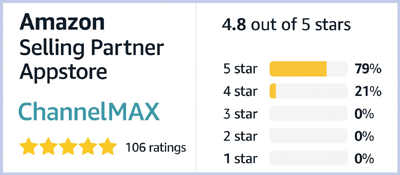
Check ChannelMAX at Amazon Selling Partner Appstore, an application with a 5 star rating.