Selling on Amazon Handmade: A Complete Guide for Artisans

Turn your creativity into a thriving business — learn how to launch, manage, and scale your handmade store successfully on Amazon.
By ChannelMAX Staff Writer
Oct-2025#17
In today’s market, where most products are mass-produced, handmade items stand out for their creativity, quality, and personal touch. That’s where Amazon Handmade comes in — it’s a dedicated section within Amazon built specifically for artisans, crafters, and small business owners who create their own products. It allows sellers to showcase their unique creations to millions of Amazon shoppers who appreciate originality and craftsmanship.
If you love making jewelry, home decor, art, or personalized gifts, Amazon Handmade gives you a chance to turn your passion into profit. Sellers get access to Amazon’s trusted shipping network, secure payment system, and wide customer reach — all while keeping the focus on their handmade products.
Whether you already sell on Amazon or are just starting your journey, this guide will help you understand how to set up your store on Amazon Handmade, the benefits it offers, and practical tips to grow your business successfully.
What Is Amazon Handmade?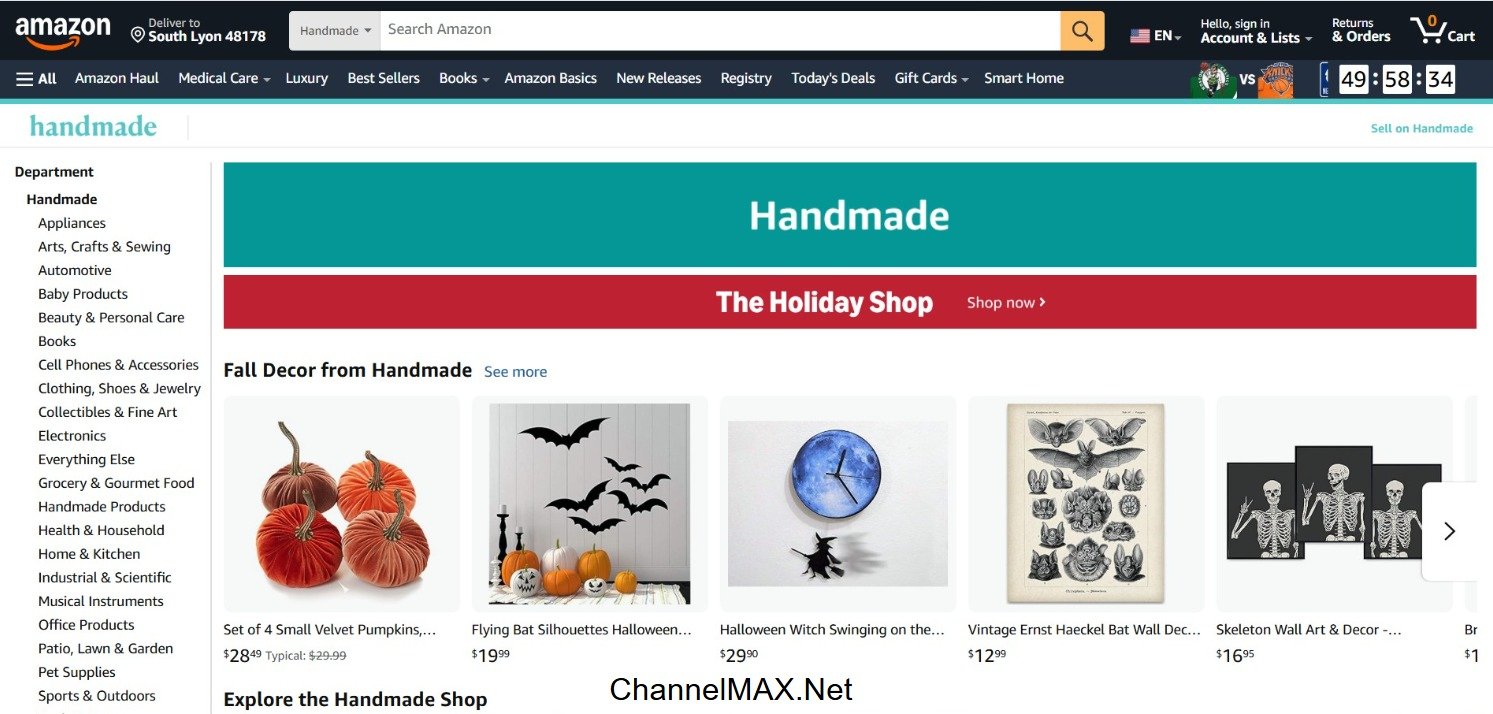
Amazon Handmade is a dedicated marketplace on Amazon created for artisans and craftsmen who make unique, handcrafted, or custom-made products. It gives small creators a chance to reach millions of Amazon shoppers worldwide while maintaining the authenticity and uniqueness of their business. Unlike regular Amazon sellers, artisans on Handmade must apply and get approved before they can start selling. This process helps Amazon ensure that every product listed is truly handmade — not mass-produced, factory-made, or resold items.
Each item on Amazon Handmade is made by skilled creators who craft products with care and creativity. Sellers can also sell personalized or made-to-order items, allowing buyers to request names, messages, or custom designs — something that makes each purchase feel one of a kind.
Amazon Handmade supports a wide range of categories, including:
a. Jewelry and Accessories: Handcrafted necklaces, earrings, bracelets, and more.
b. Home Decor: Handmade candles, wall art, pottery, and decorative pieces.
c. Art and Collectibles: Paintings, sculptures, and original artworks.
d. Kitchenware: Custom cutting boards, mugs, and utensils.
e. Pet Supplies: Personalized pet collars, beds, and toys.
f. Stationery and Gifts: Custom notebooks, greeting cards, and keepsakes.
One of the biggest advantages of selling on Amazon Handmade is the low cost. Sellers don’t have to pay a monthly subscription fee if they already have a Professional Seller account. Instead, they only pay a referral fee (usually around 15%) for each sale. This makes Handmade an affordable option for artisans who want to grow their brand and reach a larger audience without heavy upfront costs.
Overall, Amazon Handmade provides a trusted platform for artisans to showcase their talents, connect with customers who value originality, and expand their businesses in the global e-commerce space.
How Amazon Handmade Works?
First, sellers apply to join Amazon Handmade by submitting details about their business and the products they make. Amazon reviews each application to ensure items are genuinely handmade. Once approved, they can set up a Handmade store within Amazon. Next, they create product listings by adding clear photos, titles, and descriptions that highlight the uniqueness of their handmade items.
After that, sellers choose their prices and shipping options. Amazon offers the option to use Fulfillment by Amazon (FBA), where Amazon stores and ships products, or sellers can handle the shipping themselves. When a customer places an order, Amazon processes the payment and notifies the seller.
Then comes packaging and delivery — sellers make sure that each product is safely packed and delivered on time. Once customers receive their orders, sellers can engage with them through feedback and reviews, which help build credibility and attract new buyers.
Finally, sellers can track their sales, manage inventory, and analyze performance through Amazon’s dashboard to effectively grow their business. In short, Amazon Handmade provides artisans a global platform to showcase their creativity and run their small business efficiently.
Why Is Selling on Amazon Handmade Important?
Selling on Amazon Handmade opens up a world of opportunities for artisans. It allows creators to turn their passion into a profitable business while reaching customers everywhere.
1. Reach buyers worldwide:
Amazon Handmade allows small artisans to share their creations with millions of shoppers across the globe. Whether you make jewelry, home decor, or artwork, your products can reach customers in the US, UK, Europe, and beyond — all from one platform. This global exposure helps artisans grow their brand without needing to open multiple online stores.
2. Build trust and get noticed:
Since your products are listed under the Amazon brand, buyers naturally feel safer purchasing from you. Amazon’s strong reputation for reliability and secure payments increases customer confidence. In addition, your handmade listings get visibility in search results, helping more people discover your craft.
3. Easy order handling with FBA:
Managing deliveries can be time-consuming, but with Fulfillment by Amazon (FBA), Amazon handles storage, packaging, shipping, and returns for you. This means you can spend less time managing logistics and more time creating your next masterpiece. It’s a perfect balance between creativity and convenience.
4. Loyal and appreciative customers:
Shoppers who visit Amazon Handmade value authenticity and craftsmanship. They appreciate the time, effort, and story behind each product. This often leads to repeat purchases and word-of-mouth referrals, helping artisans build a dedicated customer base over time.
5. Keep your creativity profitable:
To stay competitive, artisans can use smart automation tools like ChannelMAX, which helps manage pricing, monitor competitors, and adjust prices automatically. This ensures that your handmade business remains profitable even when material costs or market trends fluctuate. By combining creativity with technology, artisans can focus on what they love most — creating beautiful, one-of-a-kind products.
Amazon Handmade gives artisans the tools, visibility, and support they need to grow their brand. By combining creativity with smart selling strategies, handcrafted businesses can thrive in today’s global marketplace.
Pros of Selling on Amazon Handmade
If you create handmade products, Amazon Handmade is the perfect platform to reach a wide audience. It helps artisans and small business owners showcase their unique creations to millions of shoppers worldwide. Here are a few top reasons why artisans love selling on Amazon Handmade:
1. Reach millions of buyers worldwide:
Amazon is one of the largest online marketplaces, with millions of people shopping every day. Selling on Amazon Handmade gives artisans and small business owners the chance to display their unique products to a global audience. This exposure helps you grow your brand faster, attract loyal buyers, and increase sales without heavy marketing efforts.
2. No listing fees:
Unlike Etsy and other craft platforms that charge per-listing or renewal fees, Amazon Handmade does not charge you for listing products. You only pay a small referral fee when you make a sale. This makes it more affordable to upload multiple products, experiment with new ideas, and build a diverse catalog without worrying about upfront costs.
3. Prime eligibility through FBA:
When you use Fulfillment by Amazon (FBA), your handmade products can qualify for Amazon Prime. This means customers get fast and free delivery — something they already trust Amazon for. Prime-eligible listings often get better visibility, higher click-through rates, and more conversions, helping your business grow faster.
4. Offer personalized and custom products:
Amazon Handmade supports customization, so you can sell products that include personal touches like engraved names, custom colors, or messages. Personalized gifts are in high demand and help your listings stand out among mass-produced items. This feature makes your handmade store feel more unique and connects emotionally with customers.
5. Earn trust through Amazon’s platform:
Shoppers trust Amazon for secure payments, reliable delivery, and excellent customer support. By selling on Amazon Handmade, you gain credibility and build buyer confidence — especially important for new artisans who want to expand beyond local sales.
6. Built-in marketing and visibility:
Amazon automatically promotes your listings across search results and related product pages, helping you reach more potential buyers. When combined with keyword optimization, great product photos, and good reviews, this can give your handmade products long-term visibility and steady traffic.
Selling on Amazon Handmade allows creators to grow their business with ease, earning trust and visibility on a trusted platform. With benefits like no listing fees and Prime eligibility, it’s one of the best platforms to turn your passion into a thriving online business.
Cons and Challenges of Selling on Amazon Handmade

Amazon Handmade is a wonderful place for creative sellers to showcase their unique, handcrafted products. However, running a handmade business on such a large platform also comes with a few challenges that need careful attention. Here are a few challenges sellers must be aware of:
1. Strict approval process:
Before you can start selling, Amazon carefully reviews your application to make sure your products are truly handmade. This includes checking product photos, descriptions, and your crafting process. The approval can take time, and if your items don’t fully meet their handmade standards, your application may get rejected.
2. High competition:
Since 2023, Amazon Handmade has grown quickly, with many new sellers joining the platform. Standing out is not easy—you need well-written listings, attractive photos, competitive pricing, and good customer reviews. Without consistent effort in optimizing your listings and marketing your brand, your products can easily get lost among competitors.
Also Read: How to Write an Amazon Product Listing That Ranks High and Wins More Customers
3. Time-consuming production:
Every handmade product takes effort and time to create, from sourcing materials to crafting and packaging. This makes it difficult to scale your business quickly or fulfill large orders during peak seasons. Unlike factory-made products, handmade sellers often have to balance quality with production speed.
4. Fee structure and margins:
While Amazon Handmade doesn’t charge a monthly subscription fee like other seller programs, the referral fees (usually around 15%) can reduce your overall profit. Shipping costs and material expenses also add up, so managing your pricing strategy is essential to stay profitable.
5. Limited automation:
Since the products are handmade, it’s hard to automate the production process. You can’t rely much on bulk manufacturing tools or automation software for order handling and inventory management. This makes running the business more labor-intensive compared to regular e-commerce sellers.
6. Customer expectations:
Buyers on Amazon expect quick shipping and consistent product quality. But handmade items may take longer to make, and slight variations can occur. Managing customer expectations and maintaining positive reviews can be a constant challenge.
Despite the challenges, selling on Amazon Handmade can be a fulfilling and profitable experience. With smart planning, consistent effort, and quality craftsmanship, sellers can stand out and build a successful handmade brand.
How to Get Started: Step-by-Step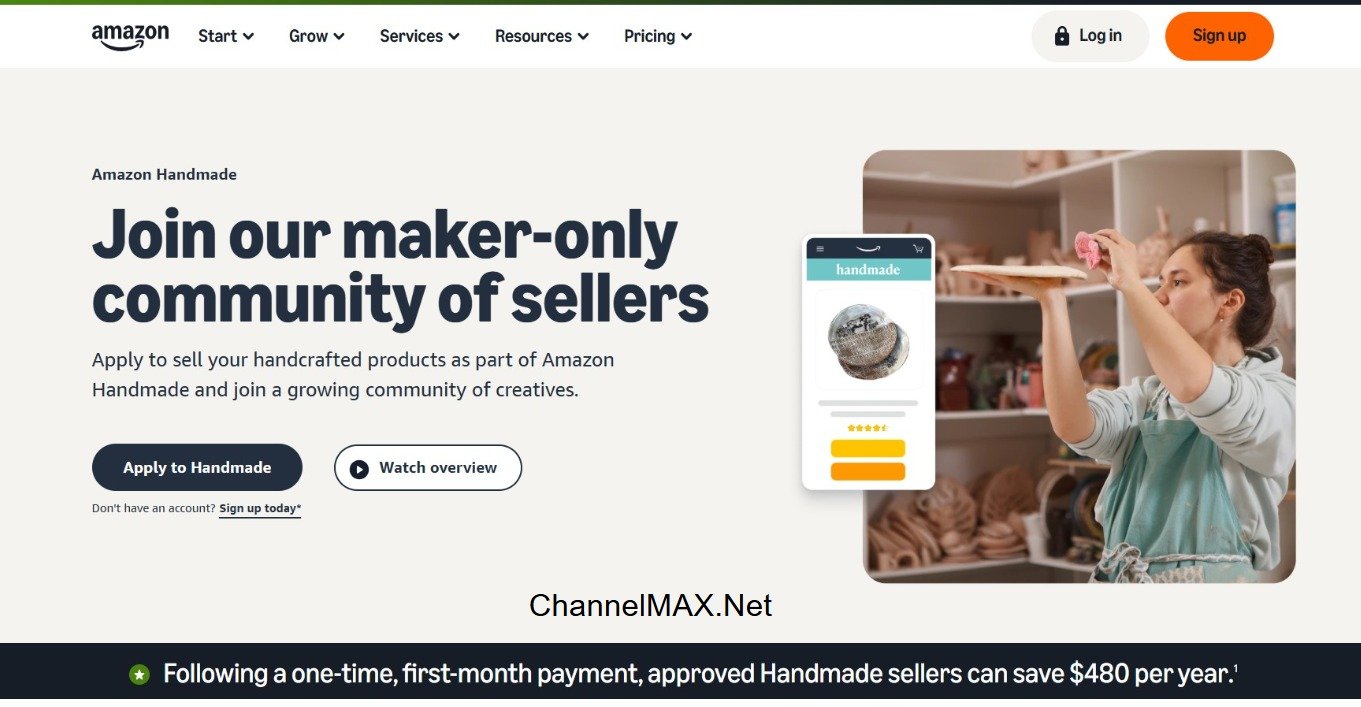
1. Create or Log In to Your Amazon Seller Account:
To start selling on Amazon Handmade, you need a Professional Selling Plan. If you don’t already have one, go to Amazon Seller Central and create an account. Choose the Professional plan, as it’s required for Handmade sellers. If you already have an account, simply log in.
2. Apply to Join Amazon Handmade:
Visit the official Amazon Handmade “Apply” page. Fill out the Maker application form by providing important details about your small business — such as your background, the materials you use, and how your products are made. Include high-quality photos of your work and describe your crafting process clearly. This helps Amazon verify that your products are truly handmade.
3. Wait for Approval:
Amazon reviews your application to ensure your items meet their Handmade standards. This process may take a few days. Once approved, you’ll receive an email allowing you to access the Handmade section in Seller Central.
4. Set Up Your Maker Profile:
After approval, create your Maker Profile. This is where you can share your brand story, describe what inspires you, and include key information about your business. Think of it as your shop’s “About” page—it helps customers connect with you and your brand on a personal level.
5. Create Product Listings:
Next, start adding your handmade items. Choose the correct Handmade classification and relevant product categories. Upload clear and attractive photos from different angles, write engaging product descriptions, set your price, and add relevant keywords to improve search visibility.
6. Choose a Fulfillment Method:
Decide how you’ll handle shipping. You can either:
a. Fulfilment by Amazon (FBA): Amazon stores, packs, and ships your products for you.
b. Merchant Fulfilled: You handle storage, packing, and shipping yourself.
Pick the option that suits your business size and workflow.
Also Read: Amazon FBA vs FBM: Which Fulfillment Method Is Right for You?
7. Launch Your Handmade Store:
Once your listings are ready, publish your store and make it live. Start promoting your shop through social media, email newsletters, or other marketing channels to attract customers.
8. Monitor and Improve Your Store Performance:
Regularly check your store analytics to see which products sell best. Adjust your listings, improve photos or keywords, and experiment with pricing to attract more buyers.
Following these steps will help you set up, manage, and grow your handmade business successfully on Amazon.
Common Mistakes to Avoid When Selling on Amazon Handmade
Selling on Amazon Handmade can be rewarding, but many sellers make simple mistakes that limit their growth and profitability. Paying attention to these can help you build a successful and sustainable handmade business.
1. Misclassifying or Skipping Verification:
Ensure every product you list meets Amazon Handmade’s requirements and is correctly verified as handmade. Mislabeling items or skipping verification can lead to listing rejections, account suspensions, or even permanent removal from the platform. Always double-check your product categories and descriptions to match Amazon’s guidelines.
2. Underpricing Your Products:
Many sellers undervalue their work by ignoring the actual cost of materials, labor, shipping, and Amazon fees. Pricing too low not only reduces your profit but can also signal your product as low quality to customers. Use data-driven pricing tools or spreadsheets to calculate costs and set competitive prices that maintain profitability without undercutting your market.
3. Ignoring Listing Optimization:
A strong product listing is essential for visibility and sales. Include clear, high-quality photos, compelling titles, detailed descriptions, and relevant keywords like “handmade jewelry” or “personalized gifts.” Optimized listings improve search rankings, attract buyers, and help your products stand out in a crowded marketplace.
4. Poor Inventory and Fulfillment Planning:
Running out of stock or delaying shipments can harm your Amazon metrics, reduce sales, and reduce customer trust. Keep a close eye on inventory levels and always plan ahead for high-demand seasons. Use tools to track stock levels, maintain momentum, and avoid losing sales.
5. Not Tracking Performance and Pricing Strategy:
Revenue alone doesn’t give you insights into your business health. Monitor key performance metrics like customer retention, reviews, cancellations, and returns. Implement a strategic pricing plan to maximize margins, respond to market trends, and ensure long-term growth. Use pricing and margin tools to help you stay competitive and profitable over time.
Selling successfully on Amazon Handmade requires attention to detail, smart pricing, and consistent monitoring. Avoiding these common mistakes will help you build credibility, increase sales, and build a thriving handmade business.
Tips for Succeeding on Amazon Handmade
Selling on Amazon Handmade can be quite rewarding, but standing out in a crowded marketplace requires strategy, creativity, and attention to detail. By focusing on quality, storytelling, and smart business practices, you can grow your sales and build a loyal customer base.
1. Choose the Right Product Niche:
Focus on products that highlight your skills and creativity. Think about items that people may purchase repeatedly or as gifts, such as jewelry, home decor, or personalized products. Consider what makes your products unique from mass-produced ones and think about the needs and preferences of your target audience. Research competitors to identify opportunities where demand is high but competition is less.
2. Tell Your Story & Connect with Buyers:
Your story is your brand. Use your Profile, product descriptions, and A+ Content to share your inspiration, creative process, and the values behind your products. Buyers love knowing the person behind the product—they want authenticity, passion, and a glimpse of behind the scenes. Sharing your journey helps you connect emotionally, build trust, and keep customers coming back.
Also Read: Mastering Amazon A+ Content: Guidelines for Creating High-Impact Product Listings
3. Optimize Listings for Search and Conversion:
A well-crafted listing helps buyers find and choose your products. Use relevant keywords in titles, bullet points, and backend search fields. Include high-quality images that show detail, craftsmanship, and scale. Lifestyle images help buyers imagine the product in use.
Don’t forget to highlight “handmade,” “artisan,” “limited edition,” or customizable features. Provide clear shipping, return, and customization policies to give buyers confidence in their purchase.
4. Manage Pricing and Margins Effectively:
Set prices that cover the cost of materials, labor, shipping, and Amazon fees while maintaining competitiveness. Handmade products usually cost more than mass-produced products, so it’s important to communicate the value of your craftsmanship. Automated repricing tools can help adjust prices based on market trends without losing profit. Review margins regularly to ensure your business stays profitable and sustainable.
5. Leverage Fulfillment & Service:
Fast shipping and reliable service can significantly impact sales and reviews. Consider using Amazon FBA or hybrid fulfilment to provide Prime eligibility and faster delivery. Excellent customer service, including prompt responses to questions and issues, builds trust and encourages repeat purchases. Make sure fulfillment costs are added into your pricing so that you maintain a healthy margin.
6. Promote Your Products Beyond Amazon:
Driving traffic from outside Amazon can boost visibility and sales. Use social media platforms, blogs, and influencer collaborations to showcase your products and brand story. Run seasonal campaigns during holidays, gifting seasons, or special occasions to take advantage of peak buying times. Driving traffic from multiple sources not only increases sales but also strengthens your brand outside Amazon.
7. Track Performance, Refunds, and Claims:
Regularly monitor sales, conversion rates, average order value, cancellations, and customer feedback. Tracking performance metrics helps you identify what’s working and what needs improvement. Regularly check refunds, returns, and FBA claims, or use automated tools like RefundMAX to recover eligible reimbursements. This ensures your net margins stay healthy and helps you make data-driven decisions for your business.
8. Scale Thoughtfully:
Once you identify best-selling items, expand strategically with new variations such as colors, sizes, or customization options. Consider bundling complementary products or expanding to new Amazon marketplaces where eligible. Scaling carefully helps maintain quality, consistency, and your brand story—so your growth is sustainable without overwhelming your operations.
Success on Amazon Handmade isn’t just about selling products—it’s about sharing your story, satisfying our customers, and running your business smartly. By implementing these tips, you can attract more buyers, increase sales, and build a strong, recognizable brand that stands out in the marketplace.
To summarize, selling on Amazon Handmade is more exciting and rewarding. With millions of shoppers searching for unique, handcrafted products, it’s a great time for creative sellers to turn their passion into profit. However, success doesn’t just depend on talent — it also requires planning, consistency, and smart business decisions.
Handmade sellers today need to focus on product quality, professional listing photos, clear descriptions, and timely fulfillment to stand out in the marketplace. Keeping track of pricing, reviews, and customer service also plays a key role in building trust and repeat sales.
Also Read: Amazon Advertising Campaign: A Complete Guide to Maximizing Sales
Disclaimer:
Amazon is the registered trademark of the e-commerce brand.
About ChannelMAX.NET:
ChannelMAX offers Amazon Repricer that runs on the latest AI Repricing algorithm to do Amazon Pricing Management or Amazon Repricing. Based on Amazon SP API, the repricing engine or repricer runs 24/7 and efficiently manages Amazon prices to maximize your BuyBox with profit optimization. Established in 2005, ChannelMAX has been integrated with Amazon technology since 2007, helping thousands of third-party sellers on various eCommerce platforms. Some of the eCommerce platforms, aka marketplaces, supported by ChannelMAX.NET, are Amazon, Walmart, eBay, and Shopify. Some of ChannelMAX key offerings include ChannelMAX Amazon Repricer, 2ndly, ChannelMAX Amazon FBA Audits and FBA Refunds management, an offering for managing Amazon FBA Refunds Reimbursement management for lost or damaged or misplaced inventory for which Amazon is responsible and for which sellers deserve appropriate credit reimbursement from Amazon. ChannelMAX Services offer Remote (aka Virtual) Full-Time eCommerce Assistant to help 3P sellers run their daytoday business.
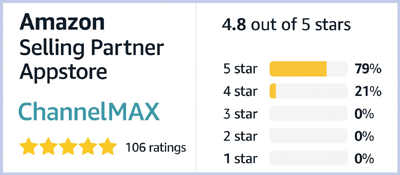
Check ChannelMAX at Amazon Selling Partner Appstore, an application with a 5 star rating.