Amazon Extends Holiday Return Window for 2026 Purchases, Giving Shoppers Until January 31, 2027

By ChannelMAX Staff Writer
Oct-2026#08
Amazon US sellers will face a longer return period during the 2026 holiday shopping season, with customers getting until January 31, 2027, to return most eligible products purchased in November and December. The extended window could encourage holiday purchases, especially early gift shopping, while requiring sellers to prepare for returns well beyond the usual 30-day period.
In an official update published on Amazon Seller Central, the company confirmed that its extended holiday returns policy will cover purchases made between November 1 and December 31, 2026. Apple-branded products will have a shorter return deadline of January 15, 2027. The policy applies to sellers using Fulfillment by Amazon (FBA) and Fulfilled by Merchant (FBM). Amazon said the extended return window will take effect automatically, meaning sellers do not need to make any changes to activate it.
Amazon also confirmed that the holiday extension will be an annual policy, providing sellers with a recurring framework for planning their year-end operations.
Also Read: Amazon FBA Sellers Can Now Customize Partial Refunds Based on Customer Return Reasons
Holiday Return Deadlines for 2026
Under the extended policy, customers purchasing eligible products on Amazon.com during the two-month holiday period will have additional time to initiate returns.
The important dates are:
November 1, 2026: Extended holiday return period begins.
December 31, 2026: Final purchase date covered by the holiday extension.
January 15, 2027: Return deadline for Apple-branded products purchased during the holiday period.
January 31, 2027: Return deadline for other eligible products purchased during the holiday period.
For example, a customer purchasing an eligible product on November 5, 2026, can return it until January 31, 2027, rather than being limited to the standard 30-day return window. Similarly, a product purchased on December 20, 2026, will generally qualify for the same January 31 deadline. The extension changes the time available for returns. Amazon said existing return and refund conditions will remain unchanged.
Policy Applies to Both FBA and FBM Sellers
One of the most important aspects of the announcement is that the extended return period applies regardless of the seller's fulfillment method. For FBA sellers, Amazon manages customer returns according to its applicable FBA return procedures. Sellers should continue monitoring returned inventory, product conditions, reimbursements, and related fees.
For FBM sellers, the longer return window means they may need to handle customer return requests and refund obligations into January 2027. Merchant-fulfilled sellers should review their return-handling procedures, customer service capacity, and refund planning before the holiday shopping season begins. Although Amazon will apply the policy automatically, sellers remain responsible for complying with the applicable return and refund requirements.
Why Amazon Is Extending the Return Window
The holiday shopping season is one of the busiest periods for online retailers. Customers often purchase gifts weeks before Christmas or other year-end celebrations. A standard 30-day return window may expire before some gifts are opened or used.
By extending the deadline, Amazon aims to make holiday shopping more convenient and encourage customers to purchase gifts earlier. In its Seller Central communication, Amazon explained that the change is part of its effort to strengthen customer traffic during the year-end shopping season.
For sellers, this could create opportunities to attract early holiday shoppers who might otherwise delay purchases because of concerns about return deadlines. However, the extended window does not guarantee higher sales. Actual results will depend on product demand, pricing, competition, customer satisfaction, and other factors.
What the Extended Policy Means for Seller Finances
While longer return periods can improve customer confidence, they may also affect sellers' financial planning. Products sold in November could remain eligible for return until the end of January. This means some sales may generate refunds several weeks after the original transaction.
Sellers should account for this possibility when estimating holiday profits and planning cash flow. Businesses selling products with relatively high return rates, such as apparel, footwear, accessories, and gift items, may need to pay particular attention.
The financial impact will vary by product category, selling price, fulfillment method, return rate, and applicable Amazon fees. Sellers should also remember that extending the return window does not automatically change Amazon's existing rules governing return eligibility, refund processing, or other return conditions.
How Amazon Sellers Can Prepare for Holiday Returns
Although the update requires no immediate action, sellers can take several practical steps to reduce operational problems during the holiday season.
Review Historical Return Rates
Examine return data from previous holiday seasons to identify products that generate frequent refunds or customer complaints. Products with unusually high return rates may require improvements to descriptions, sizing information, images, packaging, or quality control.
Improve Product Listing Accuracy
Clear product descriptions can help customers make informed purchasing decisions. Sellers should verify product dimensions, compatibility information, materials, colors, and other specifications. Accurate listings may reduce returns caused by products failing to meet customer expectations.
Plan Inventory and Cash Flow
Sellers should consider potential January refunds when calculating holiday revenue and working capital requirements. For FBA inventory, returned products may need inspection before they can be made available for resale, depending on their condition and Amazon's procedures. For FBM orders, sellers should prepare for additional return shipments, customer inquiries, and refund processing.
Monitor Return Reports
Regularly reviewing return reasons can help sellers identify recurring problems. For example, repeated complaints about damaged packaging may indicate a shipping or packaging issue, while frequent size-related returns could suggest that listing information needs improvement. Sellers can use these insights to improve customer satisfaction and reduce avoidable losses.
Prepare Customer Support Teams
Customer service teams should understand the holiday return deadlines, including the separate January 15 deadline for Apple-branded products. Clear communication can help prevent confusion and unnecessary disputes over return eligibility.
Annual Policy Creates More Predictability for Sellers
Amazon's decision to apply the extended holiday return policy every year is another significant part of the update. A recurring policy can make it easier for sellers to plan inventory, staffing, advertising, and customer support around a predictable holiday return period.
However, sellers should continue checking Seller Central for future policy updates, including any changes to eligibility, dates, or return procedures. The 2026 announcement establishes the applicable dates for this holiday season. It should not be assumed that the same calendar deadlines will necessarily apply in subsequent years.
What Sellers Should Do Next
With the holiday shopping season approaching, Amazon sellers should review their existing return procedures and identify products that could be affected by the longer window. FBA sellers should focus on inventory monitoring, return-related costs, and profitability.
FBM sellers should ensure their operations can accommodate customer returns and refund requests through January 2027. Sellers should also consult Amazon's official Return Policy and Holiday Return Policy help pages in Seller Central for additional guidance and product-specific requirements. The original announcement is available in Amazon's Seller Central seller forums.
Conclusion
Amazon's extended holiday return window for 2026 gives customers more flexibility when shopping between November 1 and December 31. Most eligible products can be returned until January 31, 2027, while Apple-branded products have a January 15 deadline.
For Amazon sellers, the policy presents both opportunities and operational considerations. A longer return window may help build customer confidence and support early holiday sales, but it also requires careful attention to refunds, inventory management, and cash flow. By reviewing return trends, improving product listings, and preparing for post-holiday returns, sellers can make better use of the extended shopping period while protecting their profitability.
Also Read: Amazon Introduces Up to 25 Percent MCF Fulfillment Fee Savings and Prime Delivery for US Online Stores
Disclaimer:
Amazon is the registered trademark of the e-commerce brand.
About ChannelMAX.NET:
ChannelMAX offers Amazon Repricer that runs on the latest AI Repricing algorithm to do Amazon Pricing Management or Amazon Repricing. Based on Amazon SP API, the repricing engine or repricer runs 24/7 and efficiently manages Amazon prices to maximize your BuyBox with profit optimization. Established in 2005, ChannelMAX has been integrated with Amazon technology since 2007, helping thousands of third-party sellers on various eCommerce platforms. Some of the eCommerce platforms, aka marketplaces, supported by ChannelMAX.NET, are Amazon, Walmart, eBay, and Shopify. Some of ChannelMAX key offerings include ChannelMAX Amazon Repricer, 2ndly, ChannelMAX Amazon FBA Audits and FBA Refunds management, an offering for managing Amazon FBA Refunds Reimbursement management for lost or damaged or misplaced inventory for which Amazon is responsible and for which sellers deserve appropriate credit reimbursement from Amazon. ChannelMAX Services offer Remote (aka Virtual) Full-Time eCommerce Assistant to help 3P sellers run their daytoday business.
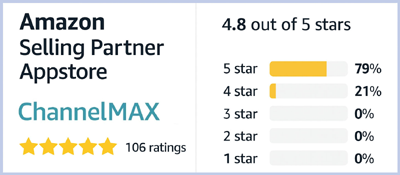
Check ChannelMAX at Amazon Selling Partner Appstore, an application with a 5 star rating.
Oct-2026#08
Amazon US sellers will face a longer return period during the 2026 holiday shopping season, with customers getting until January 31, 2027, to return most eligible products purchased in November and December. The extended window could encourage holiday purchases, especially early gift shopping, while requiring sellers to prepare for returns well beyond the usual 30-day period.
In an official update published on Amazon Seller Central, the company confirmed that its extended holiday returns policy will cover purchases made between November 1 and December 31, 2026. Apple-branded products will have a shorter return deadline of January 15, 2027. The policy applies to sellers using Fulfillment by Amazon (FBA) and Fulfilled by Merchant (FBM). Amazon said the extended return window will take effect automatically, meaning sellers do not need to make any changes to activate it.
Amazon also confirmed that the holiday extension will be an annual policy, providing sellers with a recurring framework for planning their year-end operations.
Also Read: Amazon FBA Sellers Can Now Customize Partial Refunds Based on Customer Return Reasons
Holiday Return Deadlines for 2026
Under the extended policy, customers purchasing eligible products on Amazon.com during the two-month holiday period will have additional time to initiate returns.
The important dates are:
November 1, 2026: Extended holiday return period begins.
December 31, 2026: Final purchase date covered by the holiday extension.
January 15, 2027: Return deadline for Apple-branded products purchased during the holiday period.
January 31, 2027: Return deadline for other eligible products purchased during the holiday period.
For example, a customer purchasing an eligible product on November 5, 2026, can return it until January 31, 2027, rather than being limited to the standard 30-day return window. Similarly, a product purchased on December 20, 2026, will generally qualify for the same January 31 deadline. The extension changes the time available for returns. Amazon said existing return and refund conditions will remain unchanged.
Policy Applies to Both FBA and FBM Sellers
One of the most important aspects of the announcement is that the extended return period applies regardless of the seller's fulfillment method. For FBA sellers, Amazon manages customer returns according to its applicable FBA return procedures. Sellers should continue monitoring returned inventory, product conditions, reimbursements, and related fees.
For FBM sellers, the longer return window means they may need to handle customer return requests and refund obligations into January 2027. Merchant-fulfilled sellers should review their return-handling procedures, customer service capacity, and refund planning before the holiday shopping season begins. Although Amazon will apply the policy automatically, sellers remain responsible for complying with the applicable return and refund requirements.
Why Amazon Is Extending the Return Window
The holiday shopping season is one of the busiest periods for online retailers. Customers often purchase gifts weeks before Christmas or other year-end celebrations. A standard 30-day return window may expire before some gifts are opened or used.
By extending the deadline, Amazon aims to make holiday shopping more convenient and encourage customers to purchase gifts earlier. In its Seller Central communication, Amazon explained that the change is part of its effort to strengthen customer traffic during the year-end shopping season.
For sellers, this could create opportunities to attract early holiday shoppers who might otherwise delay purchases because of concerns about return deadlines. However, the extended window does not guarantee higher sales. Actual results will depend on product demand, pricing, competition, customer satisfaction, and other factors.
What the Extended Policy Means for Seller Finances
While longer return periods can improve customer confidence, they may also affect sellers' financial planning. Products sold in November could remain eligible for return until the end of January. This means some sales may generate refunds several weeks after the original transaction.
Sellers should account for this possibility when estimating holiday profits and planning cash flow. Businesses selling products with relatively high return rates, such as apparel, footwear, accessories, and gift items, may need to pay particular attention.
The financial impact will vary by product category, selling price, fulfillment method, return rate, and applicable Amazon fees. Sellers should also remember that extending the return window does not automatically change Amazon's existing rules governing return eligibility, refund processing, or other return conditions.
How Amazon Sellers Can Prepare for Holiday Returns
Although the update requires no immediate action, sellers can take several practical steps to reduce operational problems during the holiday season.
Review Historical Return Rates
Examine return data from previous holiday seasons to identify products that generate frequent refunds or customer complaints. Products with unusually high return rates may require improvements to descriptions, sizing information, images, packaging, or quality control.
Improve Product Listing Accuracy
Clear product descriptions can help customers make informed purchasing decisions. Sellers should verify product dimensions, compatibility information, materials, colors, and other specifications. Accurate listings may reduce returns caused by products failing to meet customer expectations.
Plan Inventory and Cash Flow
Sellers should consider potential January refunds when calculating holiday revenue and working capital requirements. For FBA inventory, returned products may need inspection before they can be made available for resale, depending on their condition and Amazon's procedures. For FBM orders, sellers should prepare for additional return shipments, customer inquiries, and refund processing.
Monitor Return Reports
Regularly reviewing return reasons can help sellers identify recurring problems. For example, repeated complaints about damaged packaging may indicate a shipping or packaging issue, while frequent size-related returns could suggest that listing information needs improvement. Sellers can use these insights to improve customer satisfaction and reduce avoidable losses.
Prepare Customer Support Teams
Customer service teams should understand the holiday return deadlines, including the separate January 15 deadline for Apple-branded products. Clear communication can help prevent confusion and unnecessary disputes over return eligibility.
Annual Policy Creates More Predictability for Sellers
Amazon's decision to apply the extended holiday return policy every year is another significant part of the update. A recurring policy can make it easier for sellers to plan inventory, staffing, advertising, and customer support around a predictable holiday return period.
However, sellers should continue checking Seller Central for future policy updates, including any changes to eligibility, dates, or return procedures. The 2026 announcement establishes the applicable dates for this holiday season. It should not be assumed that the same calendar deadlines will necessarily apply in subsequent years.
What Sellers Should Do Next
With the holiday shopping season approaching, Amazon sellers should review their existing return procedures and identify products that could be affected by the longer window. FBA sellers should focus on inventory monitoring, return-related costs, and profitability.
FBM sellers should ensure their operations can accommodate customer returns and refund requests through January 2027. Sellers should also consult Amazon's official Return Policy and Holiday Return Policy help pages in Seller Central for additional guidance and product-specific requirements. The original announcement is available in Amazon's Seller Central seller forums.
Conclusion
Amazon's extended holiday return window for 2026 gives customers more flexibility when shopping between November 1 and December 31. Most eligible products can be returned until January 31, 2027, while Apple-branded products have a January 15 deadline.
For Amazon sellers, the policy presents both opportunities and operational considerations. A longer return window may help build customer confidence and support early holiday sales, but it also requires careful attention to refunds, inventory management, and cash flow. By reviewing return trends, improving product listings, and preparing for post-holiday returns, sellers can make better use of the extended shopping period while protecting their profitability.
Also Read: Amazon Introduces Up to 25 Percent MCF Fulfillment Fee Savings and Prime Delivery for US Online Stores
Disclaimer:
Amazon is the registered trademark of the e-commerce brand.
About ChannelMAX.NET:
ChannelMAX offers Amazon Repricer that runs on the latest AI Repricing algorithm to do Amazon Pricing Management or Amazon Repricing. Based on Amazon SP API, the repricing engine or repricer runs 24/7 and efficiently manages Amazon prices to maximize your BuyBox with profit optimization. Established in 2005, ChannelMAX has been integrated with Amazon technology since 2007, helping thousands of third-party sellers on various eCommerce platforms. Some of the eCommerce platforms, aka marketplaces, supported by ChannelMAX.NET, are Amazon, Walmart, eBay, and Shopify. Some of ChannelMAX key offerings include ChannelMAX Amazon Repricer, 2ndly, ChannelMAX Amazon FBA Audits and FBA Refunds management, an offering for managing Amazon FBA Refunds Reimbursement management for lost or damaged or misplaced inventory for which Amazon is responsible and for which sellers deserve appropriate credit reimbursement from Amazon. ChannelMAX Services offer Remote (aka Virtual) Full-Time eCommerce Assistant to help 3P sellers run their daytoday business.
Check ChannelMAX at Amazon Selling Partner Appstore, an application with a 5 star rating.