AI in E-commerce: Strategies to Leverage Artificial Intelligence in Your Business

Discover how AI is transforming pricing, inventory, and customer experiences across e-commerce platforms.
By ChannelMAX Staff Writer
Nov-2025#06
Artificial Intelligence (AI) is transforming the way e-commerce businesses work. It helps online sellers understand customer behavior, suggest products that shoppers are more likely to buy, automatically adjust prices, and manage inventory smartly. AI can even handle customer queries through chatbots, making shopping faster and smoother.
AI can also analyze large amounts of data to predict trends and improve marketing efforts. In today’s fast-paced e-commerce world, competition is tougher than ever. Using AI-powered tools is no longer just an option—it’s an essential strategy to save time, increase sales, and grow your business efficiently.
In this article, we’ll explore what AI in ecommerce really means, why it’s important for online businesses, and how it’s transforming key areas such as pricing, marketing, and customer experience. We’ll also look at practical ways to implement AI in your business, the challenges you may face, useful tips to get the most out of it, and common mistakes to avoid.
What Is AI in E-commerce?
AI in e-commerce means using technologies like machine learning, automation, and data analysis to make online selling smarter and more efficient. It helps businesses understand what customers want, how they shop, and what products they are likely to buy next. By studying large amounts of data from customer searches, clicks, and purchases, AI can predict trends, recommend products, and even decide the best prices to attract buyers while keeping profits high.
For example, AI can automatically adjust product prices based on market demand, competitor pricing, or stock levels — something that would take hours to do manually. It can also personalize marketing messages, showing each shopper products they are more likely to purchase based on their browsing history and preferences.
AI also helps with inventory management and demand forecasting by predicting which products will sell fast and which ones are not in demand. This prevents overstocking or running out of popular items. In addition, it plays an important role in detecting and preventing online fraud by identifying suspicious patterns in transactions.
Voice assistants like Alexa and AI-powered chatbots have also made shopping easier and more interactive. Customers can now search, compare, and buy products just by speaking or chatting online.
In short, AI in e-commerce turns data into smart decisions, reduces manual work, and creates a smoother, more personalized shopping experience for both customers and sellers.
Why Is AI Important for E-commerce Businesses?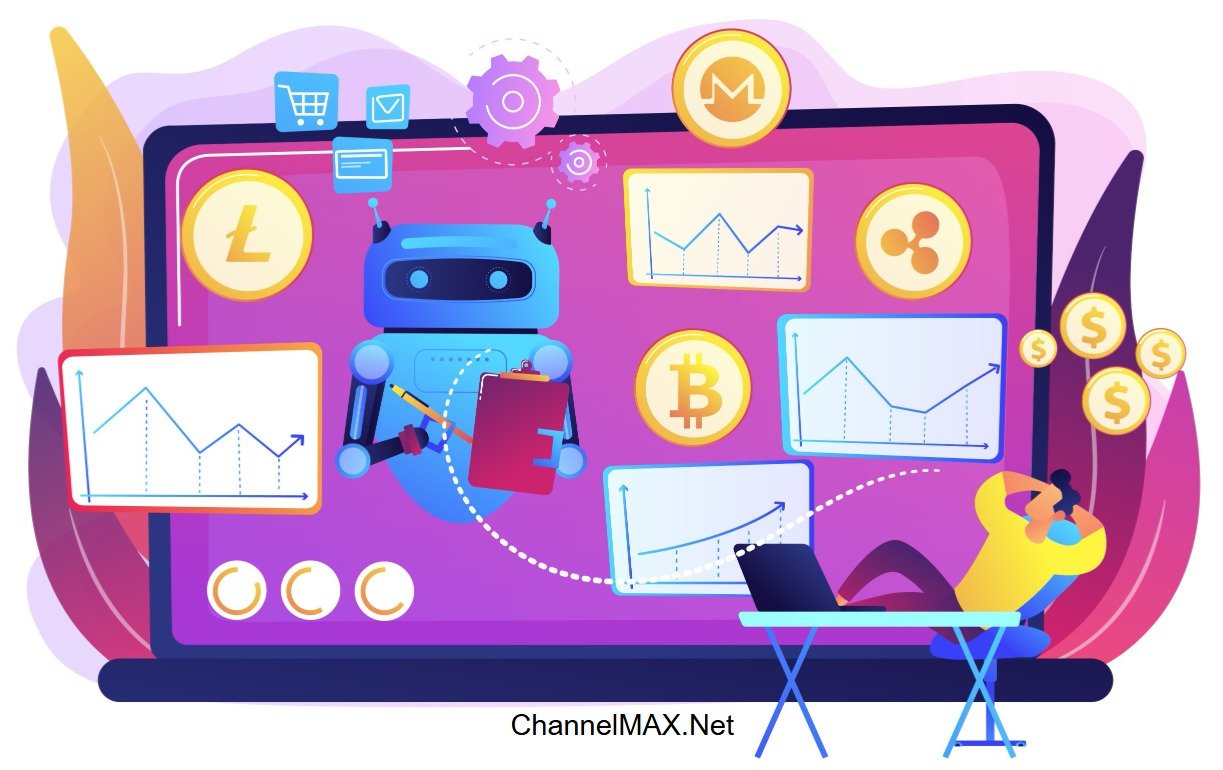
Artificial Intelligence (AI) is transforming how online sellers run their businesses. It helps them grow faster, reduce manual work, and give a better, more personalized shopping experience. Here’s how AI is transforming the e-commerce world:
1. Better Customer Experience:
AI makes online shopping smoother and more enjoyable. AI-powered recommendation tools study what customers browse and buy. Then they show products that match their interests, helping increase sales and satisfaction.
For example, AI-powered chatbots guide buyers, answer common questions instantly, and provide 24/7 support—improving satisfaction and retention. When customers feel understood and supported, they’re more likely to return and make repeat purchases.
2. Smart Pricing:
Pricing is one of the biggest challenges in e-commerce. AI-driven repricing tools like ChannelMAX Repricer automatically adjust product prices based on real-time data, including competitor listings, demand trends, and Buy Box competition. This helps sellers stay visible and profitable without underpricing themselves. With AI constantly monitoring the market, sellers can respond to changes faster than manual repricing ever could.
3. Accurate Inventory Planning:
AI helps sellers keep just the right amount of stock. By studying sales patterns, seasonal trends, and even regional demand, AI predicts which products will sell quickly and when to restock them. This minimizes overstocking (which ties up money in unsold inventory) and stockouts (which lead to missed sales). Smart forecasting also improves warehouse management and reduces waste from unsold inventory.
4. Smarter Business Decisions:
E-commerce generates huge amounts of data—from sales and traffic reports to customer feedback. AI tools can analyze all this information to find hidden trends and insights that humans might miss. These insights help sellers make data-backed decisions about pricing, marketing campaigns, and inventory management. As a result, they can plan ahead confidently and make smarter moves that drive consistent growth.
5. Improved Personalization & Conversion:
Personalization is key to higher sales—and AI helps take it to the next level. AI helps customize every aspect of the shopping journey, from showing recommended products to customizing homepages, email content, and ad creatives. When customers see products that match their interests, they engage more, stay longer on the site, and are more likely to buy. This not only boosts sales but also builds stronger customer loyalty.
6. Enhanced Operational Efficiency:
AI makes everyday operations easier by automating repetitive and time-consuming tasks. From updating product listings and managing ads to responding to basic customer queries, AI saves time and reduces human error. It also helps with backend processes like order fulfillment, shipment tracking, and returns management. With these tasks handled automatically, business owners can focus on strategy, brand growth, and innovation instead.
7. Cost and Risk Reduction:
AI plays a major role in identifying risks and minimizing losses. It can detect fraudulent orders, flag suspicious transactions, and alert sellers before any major issue occurs. On the financial side, AI reduces waste by improving ad targeting—ensuring marketing budgets are used effectively. It also helps avoid overproduction or overstocking, cutting down unnecessary storage costs. Overall, AI helps sellers save money while protecting their business from potential threats.
In short, AI helps ecommerce businesses operate faster, safer, and smarter—boosting profits while giving a better shopping experience for every customer.
Key Areas Where AI Is Transforming E-commerce Business
1. Personalization and Product Suggestions:
AI analyzes what customers search for, click, add to cart, and buy. It builds a profile of each user’s preferences. Using this data, AI recommends products that they are more likely to purchase. These recommendations appear on product pages, homepages, and emails. This increases customer engagement and boosts sales because customers feel the store “understands” what they want.
Example: Amazon’s recommendation system alone drives 35%+ of total revenue — showing how powerful personalization can be.
2. Smart Pricing and Automatic Repricing
E-commerce pricing changes frequently due to competition, demand, and time of day. AI repricing tools monitor competitor prices, stock levels, and Buy Box competition in real time. They then automatically adjust your product price to stay competitive without hurting profit margins.
With ChannelMAX’s Repricer, sellers can:
a. Win the Buy Box more often
b. Avoid price wars
c. Maintain healthy margins
d. Save hours of manual pricing work daily
Also Read: Automated Repricers: What Should You Spend and What Features Matter?
3. Chatbots for Customer Support:
AI chatbots answer common customer questions instantly. They can assist with queries like:
a. Order status
b. Delivery tracking
c. Product queries
d. Return and refund steps
This reduces the workload on support teams and ensures customers get quick help — even at midnight. Chatbots also collect feedback to understand customer behavior, which helps improve services.
4. Visual Search and Image Recognition:
When searching for a product, some shoppers don’t know what it is called — they just know what it looks like. Visual search allows customers to upload a photo (from their phone or online) to find similar items instantly.
AI analyzes shapes, colors, and patterns to match products accurately. This improves product discovery and leads to quicker purchase decisions. This is especially helpful when searching for fashion items, home decor, art, and accessories.
5. Demand Forecasting and Inventory Planning:
Overstocking wastes money, and running out of stock loses sales. AI solves both these problems. AI studies:
a. Past sales
b. Seasonal trends
c. Market changes
d. Festival spikes
e. Sales velocity
Based on these patterns, AI predicts how much inventory sellers need at each time. This helps businesses manage stock efficiently, reduce warehouse costs, and keep products available when customers want them.
6. Fraud Detection and Security:
AI can detect unusual buying behavior faster than humans. It checks:
a. IP address changes
b. Payment method behavior
c. Order patterns
d. Suspicious account activity
If something looks risky, the system flags or blocks it instantly. This reduces chargebacks, fake orders, and financial losses — protecting both the business and customers.
7. Smarter Advertising and Marketing:
AI analyzes which ads are performing well and automatically adjusts the strategy. It optimizes:
a. Target audience
b. Keywords
c. Bid amounts
d. Ad placements
e. Timing of ads
This helps businesses spend less but get better results. AI also identifies which audience is more likely to buy, allowing sellers to focus on high-converting customers. This increases overall ROI on ad spend.
Also Read: Amazon Advertising Campaign: A Complete Guide to Maximizing Sales
8. Automated Product Listing and Content Creation:
Writing product titles and descriptions manually can take hours. AI tools can generate:
a. SEO-friendly product titles
b. Important features and bullet points
c. Category-specific descriptions
d. Meta tags and keywords
This helps keep listings clear, consistent, and optimized for search ranking. It is especially helpful for sellers with large catalogs.
Also Read: Mastering Amazon A+ Content: Guidelines for Creating High-Impact Product Listings
Types of AI technologies Used in E-commerce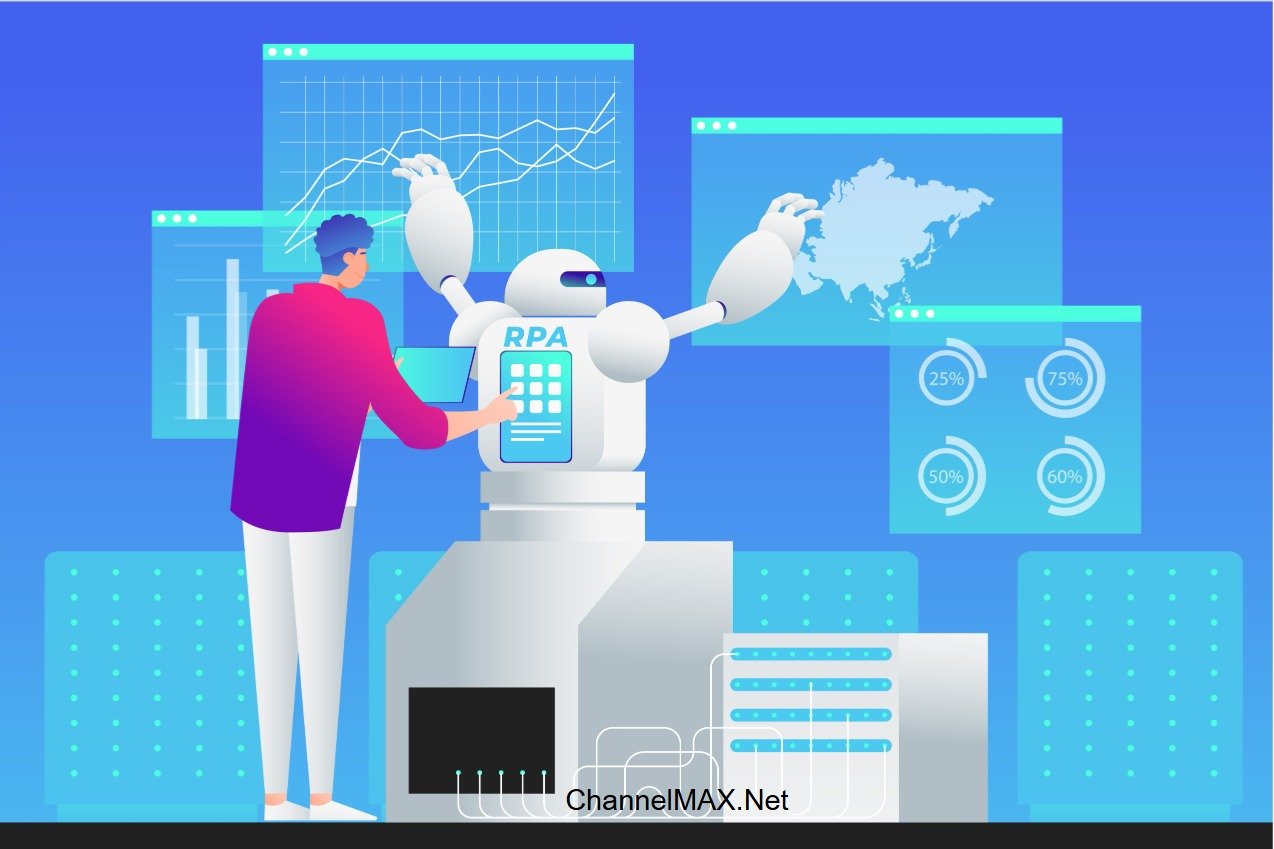
E-commerce businesses today depend on AI technologies to automate operations, improve customer experience, and drive higher sales. Below are the key AI technologies powering modern e-commerce:
1. Machine Learning (ML)
Machine Learning is the core engine behind most e-commerce AI applications. It analyzes large volumes of data—such as customer behavior, purchasing patterns, and competitor trends—to make accurate predictions and recommendations.
What it does:
a. Helps forecast product demand
b. Identifies customer buying patterns
c. Optimizes marketing and product recommendations
Example:
When Amazon suggests products based on your browsing and order history, that’s Machine Learning identifying what you’re most likely to buy next.
2. Deep Learning
Deep Learning is a more advanced form of Machine Learning that uses multi-layered neural networks to understand very complex patterns that humans may miss.
What it does:
a. Enhances product search relevance
b. Recognizes patterns in images and text
c. Improves voice and chat responses
Example:
When a platform can recognize that two product images represent the same item (even if they look slightly different), deep learning makes that possible.
3. Natural Language Processing (NLP)
NLP helps AI to understand, analyze, and respond to human language (text or voice), like how a human would.
What it does:
a. Powers chatbots and automated support
b. Enables voice-based search (“Alexa, order coffee”)
c. Analyzes customer reviews to understand opinions
Example:
Amazon customer service chatbots use NLP to understand queries like “Where is my order?” and respond instantly.
4. Computer Vision
Computer Vision enables AI to interpret and analyze visual content such as product images, user-uploaded photos, and videos.
What it does:
a. Supports visual search (“upload a photo to find similar items”)
b. Automates product tagging and categorization
c. Detects item condition and packaging quality in warehouses
Example:
E-commerce platforms like Pinterest and Amazon allow shoppers to upload a picture of a product and find visually similar matches instantly.
5. Recommendation Engines
Recommendation engines use behavior and purchase data to suggest products a customer is most likely to buy.
What it does:
a. Increases product discoverability
b. Improves conversion rates
c. Boosts average order value (AOV)
Example:
Sections like “Frequently Bought Together”, “You May Also Like”, and “Customers Who Viewed This Also Viewed” are all powered by recommendation algorithms.
6. Predictive Analytics
Predictive analytics uses statistical models and data trends to forecast future outcomes, helping businesses plan ahead rather than react later.
What it does:
a. Predicts sales trends and product demand
b. Helps with inventory planning and stock replenishment
c. Identifies seasonal and regional buying patterns
Example:
An e-commerce seller can forecast which products will sell best during holidays and prepare inventory in advance to avoid stockouts.
7. Dynamic Pricing Algorithms
Dynamic pricing uses AI to adjust product prices in real time based on factors such as competition, Buy Box behavior, seasonal demand, and profit margin rules.
What it does:
a. Keeps pricing competitive
b. Helps sellers win the Buy Box on Amazon
c. Protects margin by preventing underpricing
Example:
A smart repricer automatically increases price when competitors run out of stock, maximizing profit without manual intervention.
8. Robotic Process Automation (RPA)
RPA automates repetitive operational tasks that don’t require human judgment, reducing workload and error percentage.
What it does:
a. Automates order tracking and status updates
b. Synchronizes listings across marketplaces
c. Generates reports and account performance summaries
Example:
Instead of manually updating order spreadsheets every day, RPA tools handle it automatically in the background.
These eight AI technologies work together to streamline ecommerce operations, improve customer experience, and maximize sales efficiency — making them essential for modern online businesses.
How to Implement AI in Your E-commerce Business?
Artificial Intelligence can significantly improve how e-commerce businesses operate — from pricing and inventory control to customer experience and cost management. But to get real value from AI, execution must be structured and strategic. Here is a detailed, practical approach suitable for e-commerce and Amazon sellers.
1. Organize and Check Your Data:
AI models and automation engines learn from the data you feed them. If the data is inconsistent or scattered across multiple systems, AI tools cannot work effectively.
To prepare:
a. Clean your data: Standardize SKU names, remove duplicates, and correct missing values.
b. Centralize everything: Ideally, sales, inventory, pricing, customer behavior, and marketing metrics should be stored in a suitable location or connected system.
c. Maintain ongoing consistency: Set rules for how new data is to be added so quality stays high.
When your data is structured well, AI can understand patterns — such as which products sell fastest, when prices should change, and which customers are most valuable.
2. Decide What Your Main Business Goal Is:
AI can improve different parts of your business, but you need to choose what to focus on first.
Examples of goals:
a. Increase margin: Adjust prices intelligently while staying competitive.
b. Improve sales growth: Optimizing pricing, ads, and personalizing product recommendations.
c. Reduce operational load: Automate tasks that currently take hours.
d. Improve customer retention: Deliver targeted follow-up messages or reorder prompts.
e. Control inventory better: Predict demand and restocking timelines.
Knowing your main objective helps you select the right AI use cases instead of applying technology randomly.
3. Start with Automating Repetitive, Manual Tasks:
Before diving into advanced AI features, start by automating tasks that are repeated daily, require monitoring, and consume staff time. Automation reduces manual work.
Common areas to automate:
a. Price adjustments based on competition, demand, and profitability. Example: Tools like ChannelMAX Repricer can update pricing in real time while protecting your margins.
b. FBA reimbursement tracking and filing. Example: Refund tools such as RefundMAX can detect claim-worthy discrepancies and submit cases.
c. Inventory alerts and low-stock forecasting
d. Routine customer support queries via chat workflows or templates
e. Order routing and channel updates
Starting with automation helps reduce workload, save time, and often recover profits lost through slow or inconsistent manual actions.
Also Read: FBA Refunds Made Easy: Why You Need Amazon Reimbursement Software?
4. Choose AI Tools That Integrate with Your Existing Systems:
The best AI tools are the ones that blend seamlessly with your current systems — not the ones that require you to rebuild everything.
Look for:
a. Native Amazon Seller Central integration (if you are an Amazon seller)
b. APIs for connecting with your commerce stack (Shopify, Magento, Walmart Seller Center, etc.)
c. Support for multi-channel selling
d. Dashboard transparency so your team can understand why a decision was made
e. Custom rules layered over AI logic so you stay in control
The more seamlessly the tool integrates, the faster you’ll see real results.
5. Test AI in One Area First:
Instead of applying AI to your entire catalog, start with a controlled test. Apply AI to a small section of your business so you can observe results, learn, and adjust.
Examples test cases:
a. Apply AI-based repricing to your top-performing 20 SKUs.
b. Test personalized product recommendations on one product category.
c. Use inventory forecasting algorithms only on seasonal items first.
Track meaningful results such as:
a. Buy Box win percentage
b. Conversion rate
c. Profit per unit
d. Inventory turnover speed
e. Time saved per week from automation
Once it works well in one area, expand the AI model to more SKUs, channels, and workflows gradually.
6. Train Your Team to Work With AI Insights:
AI doesn’t replace decision-making — it enhances it. AI works best when humans know how to interpret its decisions. Your team needs to understand how to use and evaluate the insights.
Train them to:
a. Understand what AI suggestions mean and why they are generated
b. Monitor and review performance dashboards regularly
c. Understand why a price changed (e.g., how competitor price changes)
d. Use AI insights during planning discussions
d. Adjust business rules based on strategy, not guesswork
e. Share observations to improve continuously
Teams that understand how AI works are able to use it more confidently and strategically.
7. Measure Performance, Improve, and Scale Over Time:
AI improves over time with feedback and tuning. Make sure you actively measure and refine your approach.
Key performance KPIs monitor:
a. Profit margin growth
b. Buy Box and marketplace competitive performance
c. AOV (Average Order Value)
d. Customer lifetime value
e. Inventory days on hand and restocking accuracy
f. Reimbursement recovery rate (if using automation tools)
Use the insights to update pricing rules, product strategies, inventory planning, and promotions. When you see consistent performance gains, extend AI to more channels and product groups. The more data you gather over time, the more precise your AI-driven decisions become.
8. Respect Customer Privacy and Build Trust:
If you use AI for personalization, recommendations, or behavioral data, make sure your practices stay transparent and ethical.
Best practices:
a. Use customer data only for improving experience and service.
b. Clearly communicate intention when personalizing experiences (e.g., “Recommended based on your browsing”).
c. Avoid unwanted or overly personal messaging.
d. Ensure your systems comply with marketplace and data governance policies.
Customers trust brands that are transparent about how and why data is used. Using AI responsibly strengthens your brand relationship with buyers.
Challenges of Using AI in E-commerce
Using AI in e-commerce can bring many benefits, like faster decision-making and personalized shopping experiences. However, there are also some challenges businesses need to understand and manage:
1. Poor Data Quality:
AI works by learning from the data it receives. If the data is incorrect, outdated, or incomplete, the AI may produce wrong insights or make poor recommendations. For example, if customer purchase records are not updated, AI might suggest products that are no longer relevant or useful. So, businesses must ensure their data is clean, organized, and regularly updated.
2. High Setup and Training Costs:
Some AI tools can be expensive to start using. Companies may need to invest money in software, hardware, and training for their team. Small businesses often find this difficult in the beginning because they may not have enough budget. However, once the system is running well, it usually pays off over time by improving sales and efficiency. It is important to plan carefully before choosing an AI solution.
3. Integration with Existing Systems:
Most businesses already use various tools for inventory, sales, accounting, and marketing. Connecting new AI systems to these existing tools can be complicated. If the systems do not match well, it can cause system errors or slow down operations. Sometimes, companies need expert developers or technical support to help combine everything smoothly.
4. Ethical and Privacy Concerns:
AI systems collect and analyze sensitive customer information to make decisions. Because of this, businesses must ensure that this data is protected and not misused. Customers need to trust that their data is safe and being used responsibly. They should also be transparent about how AI makes decisions, especially when it affects pricing, recommendations, or customer experience.
5. Lack of Skilled Professionals:
To use AI effectively, businesses need people who understand how to manage and interpret AI tools. However, there is still a shortage of skilled AI professionals. Training employees takes time, and hiring experts can be expensive. Without the right people, AI systems may not work as expected or may not be used effectively.
AI can bring great advantages to e-commerce, but businesses must overcome challenges like data quality, cost, integration, privacy concerns, and the need for skilled professionals. With proper planning and the right team, companies can successfully use AI to improve customer experience and grow their business.
Tips to Maximize the Benefits of AI
Artificial intelligence is no longer a “future technology”—it's a practical tool that sellers use every day to boost sales, reduce manual work, and make smarter business decisions. But simply having AI tools is not enough. To truly benefit from it, you need to know how to apply it the right way.
Below are key strategies to help you maximize the impact of AI in your e-commerce operations.
1. Start with High-Impact AI Tools:
Begin with AI features that provide quick and visible results. Tools like automated repricing help you stay competitive by adjusting your prices based on real-time market activity. Personalized product recommendations can increase your average order value (AOV) by showing shoppers items they are more likely to buy. AI-powered chatbots can handle common customer questions instantly, saving you time.
These tools are easy to implement and deliver immediate business value, without complex technical work. They help you save time, improve your customer experience, and lift overall sales performance.
2. Focus on Best-Selling Products:
Not all products contribute equally to your revenue. AI analytics can clearly show which SKUs are your most profitable and which drive the highest conversions. Once you know this, you can:
a. Allocate more advertising budget to high-performing items.
b. Improve listings and visuals for these products to maximize returns.
c. Offer bundles or upsell related products.
This approach ensures your effort and resources go where they matter most.
3. Monitor and Adjust AI-Driven Pricing:
AI can adjust prices dynamically based on demand, competition, and inventory. But it’s still important to monitor your pricing strategy. Market conditions, competitor strategies, and customer demand all change. Check the pricing rules regularly to ensure:
a. Your margins remain protected
b. Pricing does not drop too low during high competition
c. Prices increase where demand is strong and supply is limited
The goal is a healthy balance—competitive yet profitable.
4. Use AI as a Guide, Not a Replacement:
AI is excellent for analyzing data and spotting patterns. However, human insight—your understanding of your brand, niche, and customers—is still crucial. AI provides logical, data-driven suggestions, but it can’t understand brand vision, emotional appeal, or unique market positioning.
Let AI handle the heavy data work—trend spotting, price updates, identifying patterns—but make final decisions based on your business goals, values, and customer understanding. Instead of fully automating decisions, use AI insights to support your judgment. Together, they become a powerful combination. This balanced approach leads to smarter decisions and better long-term results.
5. Train Your Team to Use AI Smartly:
Even the best AI tools fail if the team doesn’t know how to use them. Make sure your team understands what the data means and how to act on it. A trained team can analyze insights faster, make better decisions, and adapt more effectively.
Provide training that includes:
a. How the AI tool works
b. What the reports/data mean
c. How to make decisions based on the data
A well-trained team uses AI more effectively, leading to faster responses and smarter business actions. Continuous learning ensures your business stays ahead of competitors.
6. Track Performance Over Time:
To understand the real value of AI, compare performance before and after implementation. Track these metrics:
a. Conversion rate changes
b. Average order value
c. Time saved in operations
d. Customer satisfaction and response times
e. Profit margins and growth trends
This helps you measure ROI clearly and refine your AI strategy for better results.
7. Keep Optimizing as Your Business Grows:
Your business is always evolving—and your AI settings should be reviewed and adjusted over time. Review your AI rules and settings regularly:
a. Update pricing rules when new competitors enter the market.
b. Shift product focus and campaign rules as customer demand or trends change.
c. Refresh chatbot messages based on new customer FAQs.
AI works best when it is continuously fine-tuned. Continuous optimization keeps the AI aligned with your business growth goals.
AI can transform your e-commerce business—but only when used strategically. Start with tools that deliver clear value, focus on what drives profit, monitor and optimize continuously, and always combine data intelligence with human understanding. When used thoughtfully, AI becomes a long-term growth partner—not just another tool.
Common Mistakes to Avoid
1. Using Unorganized or Incorrect Data:
If your data is messy, outdated, or incorrect, your AI will give poor results. AI learns from the data you feed it—so if the input is wrong, the output will also be wrong.
For example, if customer information is mismatched or incorrect, your AI might send wrong recommendations or target the wrong audience.
Make sure to regularly check, update, and organize your data before using it.
2. Using AI without a clear goal:
Many businesses purchase AI tools just because they are “trending.” But without a clear purpose, they don’t know what to measure or improve.
Start with simple questions like:
a. What problem do we want AI to solve?
b. How will we measure success—sales, conversions, time saved, or customer satisfaction?
Clear goals help you choose the right AI tool and evaluate whether it’s actually working.
3. Only focusing on getting new customers:
Attracting new customers is important, but keeping your existing customers is more valuable. It’s usually cheaper to retain customers than to acquire new ones. AI can help improve customer retention through personalized offers, repeat purchase reminders, and loyalty programs.
The goal is to increase customer lifetime value, not just quick one-time sales.
4. Relying Too Much on Automation:
AI can do many tasks on its own, but it cannot fully replace human judgment or understand emotions, context, or unexpected situations the way humans do.
For example, AI might suggest a price drop that increases sales but reduces profit. A human needs to review such decisions and adjust the strategy.
Think of AI as a smart assistant, not the final decision-maker. Humans should always monitor performance, review AI recommendations, and adjust strategy based on real-world changes
5. Ignoring rules and ethics:
When using personal data, it’s important to follow privacy laws like GDPR or other regional policies. Overusing personal data or being too intrusive can damage customer trust. Always make sure customers know how their data is being used, and only use data that they have agreed to share.
Responsible data usage builds long-term credibility and protects your brand from any legal issues.
The Future of AI in E-commerce
AI will continue to grow and play a bigger role in e-commerce in the years ahead. We will see more people shopping using voice assistants, product descriptions and images created by AI, virtual try-on or product preview experiences, and smarter pricing based on market trends. AI will also help sellers understand customer behavior better, manage stock more accurately, and create smoother, more personalized shopping experiences.
In simple terms, AI is no longer just a trend—it is becoming an essential part of how online businesses operate. Sellers who start using AI tools now will gain a strong advantage. They will be able to work faster, make smarter decisions, reduce manual effort, and offer better value to customers.
As e-commerce continues to grow, the sellers who adapt early and actively use AI will stand out from the competition. The future of online retail belongs to those who are ready to learn, experiment, and evolve with new technology.
Also Read: How to Find Niche Products to Sell on Amazon
Disclaimer:
Amazon is the registered trademark of the e-commerce brand.
About ChannelMAX.NET:
ChannelMAX offers Amazon Repricer that runs on the latest AI Repricing algorithm to do Amazon Pricing Management or Amazon Repricing. Based on Amazon SP API, the repricing engine or repricer runs 24/7 and efficiently manages Amazon prices to maximize your BuyBox with profit optimization. Established in 2005, ChannelMAX has been integrated with Amazon technology since 2007, helping thousands of third-party sellers on various eCommerce platforms. Some of the eCommerce platforms, aka marketplaces, supported by ChannelMAX.NET, are Amazon, Walmart, eBay, and Shopify. Some of ChannelMAX key offerings include ChannelMAX Amazon Repricer, 2ndly, ChannelMAX Amazon FBA Audits and FBA Refunds management, an offering for managing Amazon FBA Refunds Reimbursement management for lost or damaged or misplaced inventory for which Amazon is responsible and for which sellers deserve appropriate credit reimbursement from Amazon. ChannelMAX Services offer Remote (aka Virtual) Full-Time eCommerce Assistant to help 3P sellers run their daytoday business.

Check ChannelMAX at Amazon Selling Partner Appstore, an application with a 5 star rating.