Amazon Highlights $100 Billion Grocery Opportunity, Shares Key Selling Insights for 2026
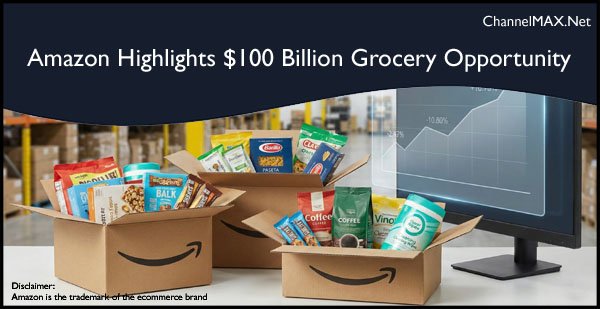
Seller Central update outlines growth trends, approvals, and strategies for entering the fast-expanding grocery category
By ChannelMAX Staff Writer
Feb-2026#13
Amazon has shared a fresh update on Seller Central titled “5 things to know about selling groceries in our store”, highlighting the growing opportunity for sellers in the grocery and everyday essentials segment. The announcement offers practical guidance for both new and existing sellers looking to expand into one of the fastest-growing categories on the platform. With strong customer demand and repeat purchase behavior, Amazon’s grocery marketplace is becoming a key area for long-term business growth.
Also Read: Top 2026 marketing trends Amazon sellers must watch to grow their business
A $100 Billion Category with Strong Momentum
According to the update published on Seller Central, customers purchased $100 billion worth of groceries and household essentials in 2024. This makes grocery one of Amazon’s top-selling categories. The growth trend has continued into 2025. In the first quarter of 2025, Amazon’s everyday essentials category, which includes groceries and household items, grew more than twice as fast as all other categories in the United States.
For sellers, this signals two major advantages. First, high and consistent demand. Second, faster category-level growth compared to many non-essential segments such as electronics or seasonal goods.
Repeat Purchases Create Stable Revenue
One of the biggest benefits of selling groceries is repeat buying behavior. Many products such as snacks, beverages, pantry staples, personal care items, and cleaning supplies are replenishable. Customers often return to buy the same product if they are satisfied with quality and price. This helps sellers build predictable revenue streams and long-term brand loyalty.
Sellers can also leverage Subscribe and Save programs to increase repeat orders and improve customer retention.
Multiple Ways to Enter the Grocery Market
Amazon outlined different selling models that merchants can consider:
Reselling products from reliable suppliers. Sellers can source branded grocery items and list them for resale, provided they meet Amazon’s authenticity and compliance standards. Collaborating with existing brands. Sellers may request a Brand Registry selling role to work with established brands. This provides better control over listings and protects intellectual property.
Launching private label or self-manufactured food products. Sellers can source ingredients or produce their own food products and build their own brand.
For private label sellers, this category offers strong branding opportunities. However, compliance, packaging, and labeling standards must be carefully followed.
Understand Requirements Before Listing
Amazon advises sellers to explore the Grocery and Gourmet Foods category directly from their existing Seller Central account. However, grocery comes with additional compliance rules. Products may need to meet food safety regulations, packaging guidelines, and expiration date standards. Sellers must ensure proper storage, especially for temperature-sensitive goods.
Using Fulfillment by Amazon can help streamline storage, shipping, and customer service. But sellers must review FBA-specific requirements for grocery items, including prep, labeling, and shelf-life minimums.
Approvals May Be Required
Some grocery products require category approval before listing. This is common for restricted or high-risk items. The Seller Central announcement notes that sellers can often get started with as few as 10 units of inventory. This lowers the entry barrier and allows sellers to test demand before scaling.
To avoid delays, sellers should prepare documentation such as invoices, certifications, ingredient details, and compliance records in advance.
Why This Update Matters
Amazon’s emphasis on groceries reflects a broader shift toward everyday essentials. As consumer spending becomes more value-focused, essential categories tend to outperform discretionary segments. For sellers facing margin pressure in competitive categories, grocery may offer steady turnover and stronger customer retention.
Additionally, sellers who already operate in adjacent categories like health, beauty, or household supplies may find cross-selling opportunities within everyday essentials. Amazon’s latest Seller Central update makes it clear that grocery is no longer a niche category but a major growth engine. With $100 billion in annual sales and faster-than-average expansion in 2025, the opportunity is significant.
For sellers willing to meet compliance standards and focus on quality and consistency, grocery can deliver repeat purchases, stable cash flow, and long-term brand growth. As competition increases, early movers who understand the requirements and customer expectations may gain a lasting advantage in Amazon’s everyday essentials marketplace.
Also Read: Amazon to Limit Listing Deactivations Under New OTDR Rule from February 28, 2026
Disclaimer:
Amazon is the registered trademark of the e-commerce brand.
About ChannelMAX.NET:
ChannelMAX offers Amazon Repricer that runs on the latest AI Repricing algorithm to do Amazon Pricing Management or Amazon Repricing. Based on Amazon SP API, the repricing engine or repricer runs 24/7 and efficiently manages Amazon prices to maximize your BuyBox with profit optimization. Established in 2005, ChannelMAX has been integrated with Amazon technology since 2007, helping thousands of third-party sellers on various eCommerce platforms. Some of the eCommerce platforms, aka marketplaces, supported by ChannelMAX.NET, are Amazon, Walmart, eBay, and Shopify. Some of ChannelMAX key offerings include ChannelMAX Amazon Repricer, 2ndly, ChannelMAX Amazon FBA Audits and FBA Refunds management, an offering for managing Amazon FBA Refunds Reimbursement management for lost or damaged or misplaced inventory for which Amazon is responsible and for which sellers deserve appropriate credit reimbursement from Amazon. ChannelMAX Services offer Remote (aka Virtual) Full-Time eCommerce Assistant to help 3P sellers run their daytoday business.
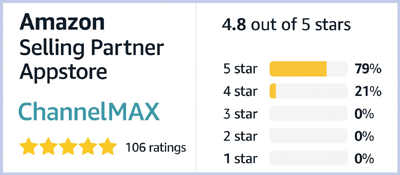
Check ChannelMAX at Amazon Selling Partner Appstore, an application with a 5 star rating.
By ChannelMAX Staff Writer
Feb-2026#13
Amazon has shared a fresh update on Seller Central titled “5 things to know about selling groceries in our store”, highlighting the growing opportunity for sellers in the grocery and everyday essentials segment. The announcement offers practical guidance for both new and existing sellers looking to expand into one of the fastest-growing categories on the platform. With strong customer demand and repeat purchase behavior, Amazon’s grocery marketplace is becoming a key area for long-term business growth.
Also Read: Top 2026 marketing trends Amazon sellers must watch to grow their business
A $100 Billion Category with Strong Momentum
According to the update published on Seller Central, customers purchased $100 billion worth of groceries and household essentials in 2024. This makes grocery one of Amazon’s top-selling categories. The growth trend has continued into 2025. In the first quarter of 2025, Amazon’s everyday essentials category, which includes groceries and household items, grew more than twice as fast as all other categories in the United States.
For sellers, this signals two major advantages. First, high and consistent demand. Second, faster category-level growth compared to many non-essential segments such as electronics or seasonal goods.
Repeat Purchases Create Stable Revenue
One of the biggest benefits of selling groceries is repeat buying behavior. Many products such as snacks, beverages, pantry staples, personal care items, and cleaning supplies are replenishable. Customers often return to buy the same product if they are satisfied with quality and price. This helps sellers build predictable revenue streams and long-term brand loyalty.
Sellers can also leverage Subscribe and Save programs to increase repeat orders and improve customer retention.
Multiple Ways to Enter the Grocery Market
Amazon outlined different selling models that merchants can consider:
Reselling products from reliable suppliers. Sellers can source branded grocery items and list them for resale, provided they meet Amazon’s authenticity and compliance standards. Collaborating with existing brands. Sellers may request a Brand Registry selling role to work with established brands. This provides better control over listings and protects intellectual property.
Launching private label or self-manufactured food products. Sellers can source ingredients or produce their own food products and build their own brand.
For private label sellers, this category offers strong branding opportunities. However, compliance, packaging, and labeling standards must be carefully followed.
Understand Requirements Before Listing
Amazon advises sellers to explore the Grocery and Gourmet Foods category directly from their existing Seller Central account. However, grocery comes with additional compliance rules. Products may need to meet food safety regulations, packaging guidelines, and expiration date standards. Sellers must ensure proper storage, especially for temperature-sensitive goods.
Using Fulfillment by Amazon can help streamline storage, shipping, and customer service. But sellers must review FBA-specific requirements for grocery items, including prep, labeling, and shelf-life minimums.
Approvals May Be Required
Some grocery products require category approval before listing. This is common for restricted or high-risk items. The Seller Central announcement notes that sellers can often get started with as few as 10 units of inventory. This lowers the entry barrier and allows sellers to test demand before scaling.
To avoid delays, sellers should prepare documentation such as invoices, certifications, ingredient details, and compliance records in advance.
Why This Update Matters
Amazon’s emphasis on groceries reflects a broader shift toward everyday essentials. As consumer spending becomes more value-focused, essential categories tend to outperform discretionary segments. For sellers facing margin pressure in competitive categories, grocery may offer steady turnover and stronger customer retention.
Additionally, sellers who already operate in adjacent categories like health, beauty, or household supplies may find cross-selling opportunities within everyday essentials. Amazon’s latest Seller Central update makes it clear that grocery is no longer a niche category but a major growth engine. With $100 billion in annual sales and faster-than-average expansion in 2025, the opportunity is significant.
For sellers willing to meet compliance standards and focus on quality and consistency, grocery can deliver repeat purchases, stable cash flow, and long-term brand growth. As competition increases, early movers who understand the requirements and customer expectations may gain a lasting advantage in Amazon’s everyday essentials marketplace.
Also Read: Amazon to Limit Listing Deactivations Under New OTDR Rule from February 28, 2026
Disclaimer:
Amazon is the registered trademark of the e-commerce brand.
About ChannelMAX.NET:
ChannelMAX offers Amazon Repricer that runs on the latest AI Repricing algorithm to do Amazon Pricing Management or Amazon Repricing. Based on Amazon SP API, the repricing engine or repricer runs 24/7 and efficiently manages Amazon prices to maximize your BuyBox with profit optimization. Established in 2005, ChannelMAX has been integrated with Amazon technology since 2007, helping thousands of third-party sellers on various eCommerce platforms. Some of the eCommerce platforms, aka marketplaces, supported by ChannelMAX.NET, are Amazon, Walmart, eBay, and Shopify. Some of ChannelMAX key offerings include ChannelMAX Amazon Repricer, 2ndly, ChannelMAX Amazon FBA Audits and FBA Refunds management, an offering for managing Amazon FBA Refunds Reimbursement management for lost or damaged or misplaced inventory for which Amazon is responsible and for which sellers deserve appropriate credit reimbursement from Amazon. ChannelMAX Services offer Remote (aka Virtual) Full-Time eCommerce Assistant to help 3P sellers run their daytoday business.
Check ChannelMAX at Amazon Selling Partner Appstore, an application with a 5 star rating.