How Does Amazon Manage Inventory: A Deep Dive into Its Efficient System

Understanding How Amazon Handles Millions of Products Across Its Global Fulfillment Network
By ChannelMAX Staff Writer
Apr-2025#07
Amazon is one of the biggest e-commerce platforms in the world. It handles millions of products across different warehouses. Amazon has developed an advanced inventory management system that uses modern technology, automation, and data analytics to ensure fast and accurate order delivery. This system minimizes errors, optimizes storage, and ensures that customers receive their orders on time. Understanding how Amazon manages inventory can help sellers improve their operations and stay competitive.
With over 200 million Prime subscribers and nearly 300 million active customers worldwide, Amazon fulfills billions of orders every year. Managing such a vast inventory requires seamless coordination with suppliers, fulfillment centers, and logistics providers.
Why Is Inventory Management Important for Amazon?
Inventory management is essential for Amazon’s success because it ensures that products are available to customers at the right time. Since Amazon ships over 1.6 million packages daily and fulfills billions of orders annually, maintaining an efficient inventory system is necessary to avoid delays, reduce costs, and keep customers happy. Proper inventory management helps Amazon in:
1. Preventing Stockouts and Lost Sales
When a product goes out of stock, Amazon loses sales, and customers may buy from competitors. It also affects the product’s ranking and visibility on Amazon’s search results. Proper inventory management helps maintain consistent product availability, ensuring customers can purchase what they need.
2. Reducing Excess Inventory and Holding Costs
Storing excess inventory for long periods increases storage costs, especially during peak seasons when Amazon charges higher fees. By maintaining optimal stock levels, Amazon minimizes long-term storage fees and avoids unnecessary costs.
3. Optimizing Fulfillment Speed and Efficiency
Amazon has 175+ fulfillment centers worldwide, and a smooth inventory management system helps process and ship orders quickly. When inventory is accurately tracked and stored in the right locations, Amazon can deliver Prime orders within 1-2 days, meeting customer expectations.
4. Enhancing Customer Satisfaction
When orders arrive on time, customers leave positive reviews and remain loyal to Amazon. But delays caused by poor inventory management can lead to poor customer experiences and damage Amazon’s reputation.
5. Improving Profit Margins
Efficient inventory management helps lower storage, handling, and shipping costs, which directly affects Amazon’s profit margins. It also prevents products from spoiling or getting damaged due to long-term storage, ensuring that they remain in good condition.
6. Better Demand Forecasting and Planning
Amazon uses advanced technology like machine learning to predict what customers will buy and adjusts stock levels accordingly. This data-driven approach helps prevent overstocking or understocking, ensuring that there is enough stock to meet demand, especially during peak seasons.
Effective inventory management allows Amazon to maintain a competitive edge by balancing supply and demand, minimizing costs, and enhancing customer satisfaction. As Amazon continues to scale its operations globally, a well-managed inventory system is key to its ongoing success.
How Does Amazon Manage Inventory?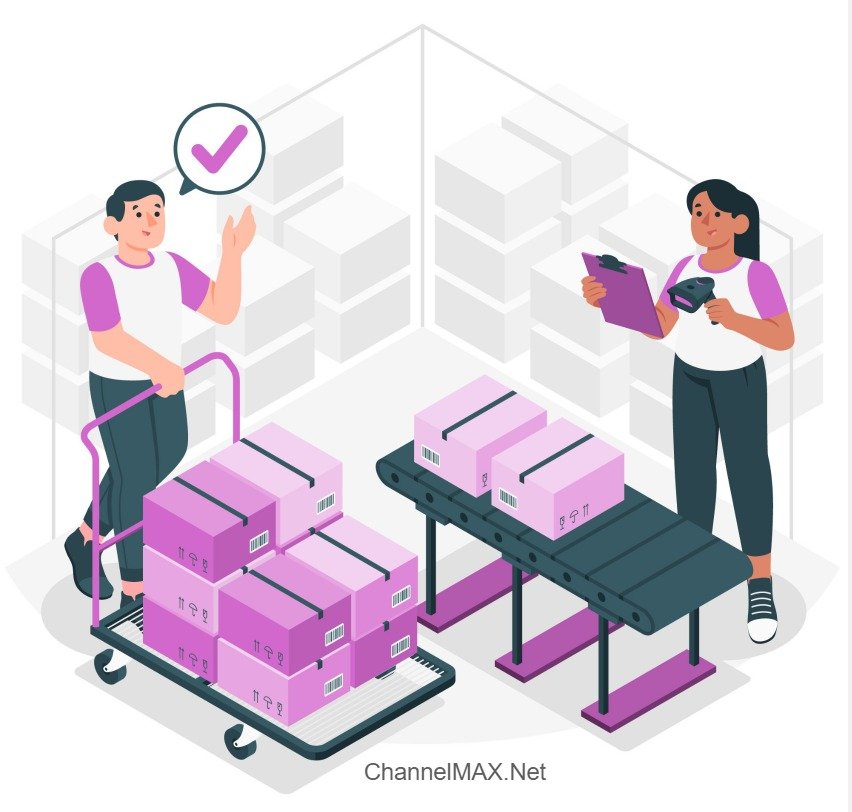
1. Fulfillment by Amazon (FBA) System
Fulfillment by Amazon (FBA) is a service where Amazon stores and ships products for sellers. Sellers send their items to Amazon’s warehouses, and when a customer places an order, Amazon packs and ships the product. This makes selling easier because sellers don’t have to handle storage or shipping.
How It Works:
a. Sellers send their products to Amazon’s fulfillment centers.
b. Amazon stores the products and updates inventory levels in real time.
c. When a customer places an order, Amazon handles the entire fulfillment process, from packing to delivery.
Why FBA Is Crucial for Inventory Management:
a. Easy to Scale: Sellers can grow their business without worrying about packing and shipping.
b. Customer Trust: Products with the Prime badge often sell more because of faster delivery.
c. Better Storage and Handling: Amazon ensures that products are stored safely and dispatched quickly.
Also Read: Is Fulfillment by Amazon (FBA) Worth It? A Comprehensive Guide for Sellers
2. Automated Inventory Tracking with RFID and Barcodes
Amazon uses advanced technologies like Radio Frequency Identification (RFID) and barcodes to track products at every stage of the supply chain. These systems update inventory data in real time, ensuring accuracy and efficiency.
Key Benefits:
a. Real-Time Updates: Inventory levels are updated automatically whenever products enter or leave the warehouse.
b. Error Reduction: Automation reduces the chances of human error, ensuring accurate stock levels.
c. Improved Efficiency: RFID and barcodes make inventory tracking and order processing quicker.
Example:
When a product arrives at an Amazon warehouse, its barcode is scanned to update the system. As the product moves through various stages, RFID tags help track its location in real time, minimizing the risk of misplaced inventory.
3. Real-Time Inventory Forecasting and Demand Planning
Amazon uses technology like artificial intelligence (AI) and predictive analytics to forecast product demand accurately. By studying past sales data, seasonal trends, and customer behavior, Amazon makes sure that the popular products are always in stock.
Key Points:
a. Demand Prediction: Analyzes past sales trends and customer preferences to predict future demand.
b. Stock Optimization: To avoid stockouts, ensure that products are in stock, especially during the peak seasons.
c. Risk Management: Identifies slow-moving products and reduces overstocking to prevent extra storage costs.
AI Algorithms for Demand Planning:
Amazon uses machine learning models that analyze sales data, market trends, and seasonal changes to predict demand and suggest optimal inventory levels.
4. Distributed Fulfillment Centers for Faster Delivery
Amazon operates with a network of more than 175 fulfillment centers around the world. These warehouses are located near major cities to reduce shipping time and costs. By distributing inventory across multiple locations, Amazon ensures faster order fulfillment.
How It Benefits Amazon:
a. Faster Delivery: Placing inventory closer to customers allows Amazon to deliver Prime orders within 1-2 days.
b. Reduced Shipping Costs: Having warehouses in different areas helps Amazon optimize delivery routes and minimize transportation costs.
c. Enhanced Scalability: Amazon can easily manage increased demand during peak seasons without delays.
Example:
In the US, for Prime members, Amazon ships high-demand items from the nearest fulfillment center, ensuring same-day or next-day delivery.
5. Inventory Performance Index (IPI) Score
Amazon evaluates sellers using an Inventory Performance Index (IPI) score to encourage efficient inventory management. A high IPI score means the seller effectively manages inventory levels, while a low IPI score can lead to storage limitations.
How It Works:
a. Excess Inventory Management: Sellers with high IPI scores avoid unnecessary storage fees.
b. Improved Inventory Turnover: Encourages sellers to sell products quickly to maintain a good IPI score.
c. Reduced Penalties: Avoids restrictions on storage space and minimizes holding costs.
How to Maintain a High IPI Score:
a. Reduce excess inventory by running discounts or removing slow-moving items.
b. Maintain healthy sell-through rates by adjusting prices and improving product listings.
c. Resolve stranded inventory (items not linked to active listings) issues promptly to avoid penalties.
6. AI-Powered Inventory Replenishment
Amazon uses AI to manage inventory and restock products automatically. The system monitors real-time sales data and triggers restocking when inventory levels drop below a specified level.
Advantages:
a. Continuous Product Availability: Prevents stockouts by maintaining optimal inventory levels.
b. Reduced Manual Effort: Automates the reordering process, saving time and effort for sellers.
c. Improved Profit Margins: Helps avoid overstocking and maintain healthy stock levels, which keeps business costs low.
Example:
Amazon’s AI models analyze factors like product demand, sales velocity, and past trends to trigger automated replenishment alerts and restock at the right time.
How Sellers Can Use Amazon's Inventory System To Grow Their Business?
Amazon’s advanced inventory management system provides tools to help sellers simplify operations, reduce costs, and improve order fulfillment, but strategic management is key to maximizing profits. Here are five key strategies sellers can implement:
1. Use FBA for Better Efficiency
Fulfillment by Amazon (FBA) makes logistics easier by handling storage, packing, shipping, and customer service. It helps sellers increase sales by making products Prime-eligible, but sellers must monitor stock levels to avoid extra storage fees.
2. Monitor Inventory Levels Regularly
Keeping track of inventory helps prevent overstocking and stockouts. Use Amazon’s Inventory Performance Index (IPI) and restock alerts to track and manage inventory. Maintaining a sell-through rate above 2.0 helps avoid stockouts and prevents extra storage penalties.
3. Automate Repricing with ChannelMAX
ChannelMAX helps sellers by automatically adjusting prices in real time, syncing inventory across multiple platforms, and preventing Amazon’s Potential Pricing Errors that can lead to deactivations.
4. Use Tools to Predict Demand
Inventory forecasting tools help sellers predict demand trends, preventing overstocking and stockouts during peak seasons. This improves cash flow and reduces unnecessary fees.
5. Optimize Listings for Faster Sell-Through
Improve product titles and use compelling descriptions and high-quality images to attract more buyers and increase conversions. Running Amazon PPC ads and promotions helps clear excess inventory, improves the strong IPI score, and reduces storage costs.
By using Amazon’s inventory system wisely, sellers can avoid stock issues, reduce costs, and increase sales effectively.
Also Read: Amazon Advertising Campaign: A Complete Guide to Maximizing Sales
Benefits of Amazon’s Inventory Management System
Amazon’s inventory management system helps sellers in many ways. Below are a few benefits sellers can gain:
1. Increased Efficiency
Amazon’s system automates processes like stock tracking, order fulfillment, and restocking. Fulfilled by Amazon (FBA) and forecasting tools help sellers maintain accurate stock levels. It automates warehouse operations, reducing manual errors and speeding up fulfillment by 30–50%, improving overall efficiency.
2. Reduced Costs
Proper inventory management helps avoid extra storage fees, overstocking, and lost sales. With FBA, sellers also get lower shipping rates, which helps cut costs and increase profits.
3. Improved Customer Satisfaction
Reliable inventory management ensures faster deliveries, fewer stockouts, and accurate order tracking. Since customers avoid sellers after a bad delivery experience, it is important to keep products in stock.
4. Better Marketplace Performance
Amazon rewards sellers with a high Inventory Performance Index (IPI) score, which leads to better search rankings, more Buy Box wins, and fewer restock limits. Keeping an IPI score above 400 helps sellers maintain smooth operations.
5. Data-Driven Decision Making
Amazon provides reports on inventory age, sell-through rate, and restocking needs. This allows sellers to adjust pricing, improve product listings, and plan inventory wisely for consistent growth.
By leveraging Amazon’s system, sellers can boost sales, cut costs, and improve marketplace performance.
Challenges in Managing Inventory on Amazon
Managing inventory on Amazon comes with several challenges that sellers must handle to maintain efficiency and stay profitable. Below are a few of them:
1. Inventory Storage Limits
Amazon sets storage limits based on a seller’s Inventory Performance Index (IPI) score, sales history, and fulfillment center capacity. If your IPI score drops below 400, Amazon may limit your storage space, leading to stockouts or an inability to store new inventory. To avoid this, sellers must monitor their IPI score regularly, remove slow-moving stock, and keep inventory moving efficiently.
2. High Holding Costs
Amazon charges extra storage fees for inventory sitting in fulfillment centers for a long term. These fees can significantly reduce profits, especially for low-margin products. Monthly storage costs also change based on seasonal demand and warehouse space availability. Sellers can lower these costs by ordering inventory only when needed, bundling slow-moving products, or using third-party warehouses.
3. Lost or Damaged Inventory Errors
Lost, damaged, or miscounted inventory within Amazon’s warehouses can lead to financial losses. Amazon provides reimbursement for some inventory discrepancies, but sellers must regularly audit their stock using Amazon’s Inventory Adjustments Report. Cross-checking inventory levels with tracking tools can help sellers track inventory accurately.
4. Demand Fluctuations and Overstocking Risks
Sales can go up and down unexpectedly, and sellers often struggle to balance demand spikes and slow sales periods. Keeping too much stock can increase storage fees, while understocking leads to missed sales and lower rankings. Using Amazon’s Restock Inventory Tool and third-party demand forecasting software can help sellers predict seasonal trends and adjust stock levels better.
5. Restock Delays and Supply Chain Disruptions
Unexpected delays due to suppliers, customs issues, or shipping issues can affect inventory availability. Amazon’s strict FBA shipment deadlines mean late shipments can affect sales velocity and seller performance metrics. To avoid such situations, sellers should keep extra stock, work with multiple suppliers, and use Amazon’s Multi-Channel Fulfillment (MCF) for backup inventory solutions.
By proactively handling these challenges, sellers can improve efficiency, reduce costs, and improve their overall inventory performance on Amazon.
Conclusion
Amazon has a sophisticated system to manage inventory and ensure that millions of products are stored, tracked, and shipped efficiently worldwide. Amazon uses AI, automation, and data analysis to keep its supply chain running smoothly and make customers happy. Sellers can do better by following Amazon's inventory practices to increase their profits and stay ahead of the competition. Knowing how Amazon’s inventory system works can help sellers improve their operations and be more successful in the long run.
Also Read: Building a Strong Amazon Brand Identity: Stand Out and Win Customer Trust
Disclaimer:
Amazon is the registered trademark of the e-commerce brand.
About ChannelMAX.NET:
ChannelMAX offers Amazon Repricer that runs on the latest AI Repricing agents to do Amazon Pricing Management or Amazon Repricing. Based on Amazon SP API, the repricing engine or repricer runs 24/7 and efficiently manages Amazon prices to maximize your BuyBox with profit optimization. Established in 2005, ChannelMAX has been integrated with Amazon technology since 2007, helping thousands of third-party sellers on various eCommerce platforms. Some of the eCommerce platforms, aka marketplaces, supported by ChannelMAX.NET, are Amazon, Walmart, eBay, and Shopify. Some of ChannelMAX key offerings include ChannelMAX Amazon Repricer, 2ndly, ChannelMAX Amazon FBA Audits and FBA Refunds management, an offering for managing Amazon FBA Refunds Reimbursement management for lost or damaged or misplaced inventory for which Amazon is responsible and for which sellers deserve appropriate credit reimbursement from Amazon. ChannelMAX Services offer Remote (aka Virtual) Full-Time eCommerce Assistant to help 3P sellers run their daytoday business.

Check ChannelMAX at Amazon Selling Partner Appstore, an application with a 5 star rating.