How to Make Money on Amazon with Online Arbitrage?

Learn how to buy low, sell high, and build a scalable business with Amazon Online Arbitrage
By ChannelMAX Staff Writer
Aug-2025#25
Online Arbitrage is one of the simplest ways to start selling on Amazon, even if you are a complete beginner. You don’t need to create your own product, invest a huge amount of money, or worry about manufacturing. Instead, the idea is very straightforward—you buy products at a cheaper price from one online store and sell them on Amazon at a higher price. The extra money you make, after paying for Amazon’s fees and shipping, is your profit.
For example, let’s say you find a toy on Walmart’s website for $10. On Amazon, the same toy is selling for $25. If you buy it from Walmart and list it on Amazon, you can make a nice profit once it sells. This is the basic idea of online arbitrage—buy low and sell high.
The best part is—you’re selling products that people are already searching for and buying on Amazon. You don’t need to convince anyone to try something new; you just find products with a price gap and list them. You can work from home, use your computer or phone to find deals, and start small without much risk. With the right tools and some research, many sellers are able to turn this into a steady income, and some even grow it into a full-time business.
In this article, we’ll explain step by step how online arbitrage works, what tools can make your job easier, and some simple strategies to help you start and grow your Amazon business successfully.
What Is Online Arbitrage?
Online Arbitrage is a business model where sellers buy products at a lower price from online stores and then resell them on Amazon at a higher price to make a profit. The idea is simple: buy low and sell high. Instead of physically going to local shops (like in retail arbitrage), sellers source their products from e-commerce websites like Walmart, Target, eBay, or any clearance outlet.
For example, a seller may find a toy for $15 on Walmart.com while the same toy sells for $30 on Amazon. Even after paying Amazon’s fees and shipping, the seller can still make a good profit by reselling it.
Online Arbitrage is popular because it needs very little money to start, gives access to a huge variety of products, and allows sellers to run their business from anywhere with an internet connection. This makes it a great choice for beginners on Amazon who want to start small, without manufacturing their own products or storing large amounts of inventory.
How Does Online Arbitrage Work?
Online Arbitrage means buying products at a low price from online stores and selling them at a higher price on Amazon. Instead of buying from factories or wholesalers, sellers find discounts or clearance deals online and resell the items on Amazon to earn a profit. Here’s how it works step by step:
1. Finding Products – The first step is to research products. Sellers use multiple tools to study a product’s sales history, price changes, competition, and profits. The goal is to find items that are being sold for a low price on websites like Walmart or Target, but are in demand on Amazon. For example, A toy might cost $15 on Walmart clearance, but sells for $30 on Amazon. Identifying such opportunities is the key to success in Online Arbitrage.
2. Buying the Products – After finding a good product, the seller buys it from the online store. This is just like normal online shopping, but here the goal is that you are buying the products for the purpose of reselling. Some sellers buy a few units first to test, while others buy in larger quantities if they’re sure that the product will sell well. Discounts, clearance sales, and offers make this step profitable.
3. Listing on Amazon – Next, the seller lists the product on Amazon through their Seller Central account. Most of the time, there’s no need to create a new product page because Amazon already has one under an ASIN (Amazon’s unique product code). The seller just adds their stock to the existing listing where other sellers are also selling. This makes the process much easier than starting from scratch.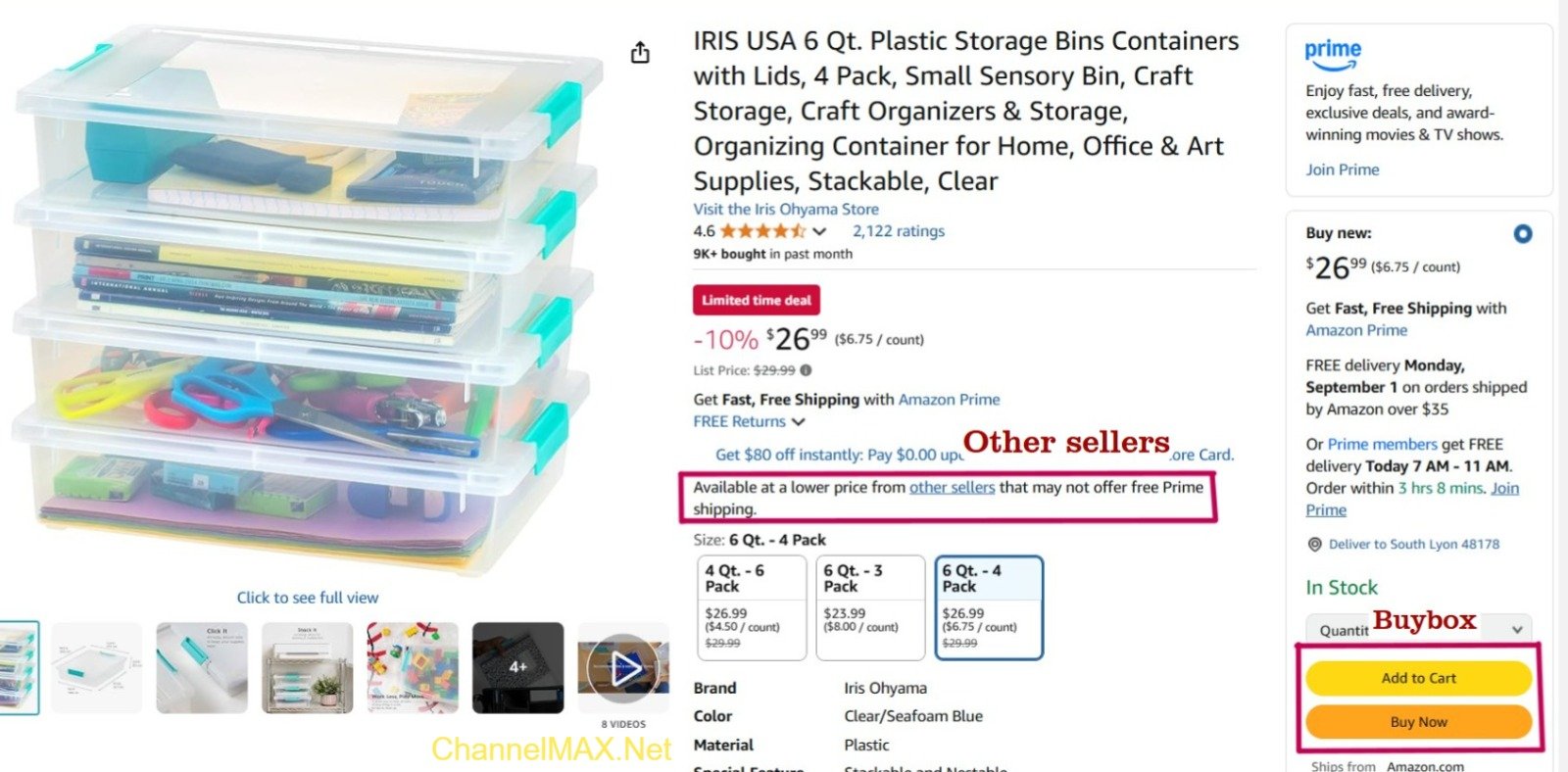
4. Choosing How to Deliver – Sellers can choose how products reach customers:
a. FBA (Fulfillment by Amazon): With FBA, you send your products to Amazon warehouses. Amazon packs, ships, handles returns, and provides customer service. This method saves a lot of time and often helps win the BuyBox.
b. FBM (Fulfillment by Merchant): On the other hand, with FBM, the seller stores, packs, and ships the products themselves. It gives more control but requires extra work.
5. Setting the Price – Pricing is very important because it decides whether your product will win the Buy Box, which is the “Add to Cart” option customers usually click. If your price is too high, your product may not sell. If it is too low, your profits may shrink. To stay competitive, sellers often use repricing tools like ChannelMAX. These tools automatically adjust prices based on competition, so the seller can earn a profit without manually changing them all the time.
6. Earning Profit – When a product sells, Amazon collects the payment, deducts its fees, and sends the rest to the seller. The profit is what’s left after subtracting your purchase cost and Amazon’s fees. For example, if you buy a toy for $15, sell it for $30, and Amazon takes $8 in fees, your profit is around $7 per unit. The more such deals you find and sell, the more your earnings grow.
In short, Online Arbitrage is a smart way to start an Amazon business with low upfront costs compared to wholesale or private label.
Difference Between Retail Arbitrage and Online Arbitrage
Retail Arbitrage and Online Arbitrage are two of the most popular business models in which sellers source products to resell on Amazon. Both models follow the same idea: buying at a low price and selling at a higher price. The main difference lies in where sellers source products.
Retail arbitrage involves visiting physical stores, such as Walmart, Target, or local shops, to find discounted or clearance items. For example, you might find a toy for $10 at a local shop and sell it on Amazon for $25. The biggest advantage of retail arbitrage is that you can check the product in person and get it immediately. However, it can be very time-consuming, as you need to visit different stores and check the products manually. Moreover, you can only buy what your local stores have, which makes it more challenging to grow your business in the long run.
Online Arbitrage, on the other hand, is done completely online. Sellers look for deals on websites, wholesale suppliers, or stores, buy the products online, and then ship them either to their home or a prep center before shipping to Amazon. For example, you may buy a kitchen appliance online for $40 and sell it for $70 on Amazon. Online arbitrage gives you access to more products to choose from, lets you work from anywhere, and is easier to scale. But since you cannot physically check the product before buying, there is always some risk of receiving defective items. Shipping can also take time, and growing the business smoothly may require tools or services.
In short, retail arbitrage is good for beginners who want to get started quickly with hands-on sourcing, while online arbitrage is better for sellers who want to build a bigger, long-term business. Many sellers begin with retail arbitrage to understand the process and later move to online arbitrage as they grow.
Why Online Arbitrage Works?
1. Easy to Start – You don’t need a warehouse, office, or your own products to begin. All you do is buy items from online stores and resell them on Amazon or other marketplaces. Since the cost to start is low, almost anyone can try it out without big risks.
2. Work from Anywhere – Online arbitrage gives you the freedom to work from anywhere with just a laptop or phone and an internet connection. You can search for products at any time of the day—whether it’s morning, evening, or even weekends. This makes it a perfect option for people who want a side hustle or a business they can manage from home.
3. Grow Slowly or Quickly – You can start with just a few products and a small budget. As you make sales, you can reinvest those profits to buy more items. The best part is that you control the speed—you can grow slowly or scale up faster depending on what suits you.
4. Many Product Options – There’s no restriction on what you can sell. From toys and clothes to electronics, beauty items, and kitchen goods, you can try different categories and see what sells best. A wide product range reduces risk because you don’t depend on just one item. Demand keeps changing, so you can always find new opportunities. Selling seasonal products like Christmas decorations or school supplies can bring extra profit.
5. Less Risk – The risk is lower because you don’t have to build a brand or manufacture products. If it doesn’t work out, you can stop anytime without losing too much money. Most sellers begin with small orders just to test before investing more.
6. A Business That Works– Thousands of Amazon sellers are already making money with online arbitrage. It’s a proven model that works for both beginners and full-time sellers. With the right tools and strategies, you too can achieve success in this business.
Benefits of Online Arbitrage on Amazon
1. Low Cost to Start – To start selling, you don’t need a big investment like factories or warehouses. Even if you’re a beginner, you can start small with just a laptop and the internet. Many sellers begin with a few hundred dollars to buy discounted items online and then grow from there. This makes online arbitrage one of the most inexpensive ways to start selling on Amazon.
2. Work from Anywhere – Since everything is done online, searching for products, comparing prices, and placing orders, you can run your business from home, while traveling, or even in your free time after a job. All you need is internet access. This gives you freedom and flexibility that many traditional businesses don’t offer.
3. Easy to Grow (Scalability) – Once you understand how to find products that can earn a good profit, it’s easy to grow. You can increase the number of items you buy, list more products, or use tools to automate research and repricing. The more you scale, the more profit you can make without increasing your effort too much.
4. Many Product Options – Unlike private label businesses, where you focus on one product, online arbitrage lets you explore multiple categories. For example, during Christmas you can sell toys, or during the summer you can sell outdoor products. This flexibility means you can always take advantage of seasonal trends and always look for the best deals.
Also Read: How to Build a Successful Private Label Brand on Amazon
5. No Branding Needed – Building your own brand (creating logos, packaging, marketing, etc) takes time, money, and effort. With online arbitrage, you don't need to do all that. You simply resell products that are already trusted and recognized by customers, like Philips, Samsung, or Maybelline. Since these are well-known brands, they usually sell faster and need less promotion.
6. Use Amazon FBA (Fulfillment by Amazon) – With FBA, you don’t have to worry about storage or shipping. You send your products to Amazon’s warehouse, and they handle delivery, returns, and customer service. This saves you time and makes your business look more professional, since customers trust Amazon’s fast shipping and support. Customers also prefer FBA products because they come with fast and reliable Prime shipping.
7. Smart, Data-Driven Decisions – You don’t have to guess which product will sell. Tools show you price history, demand, competition, and sales rank. This means you can pick products that are more likely to sell quickly and profitably, reducing your risk of loss.
8. Quick Sales & Cash Flow – Since you’re selling products that are already popular and in demand, you don’t need to spend money on ads or marketing campaigns. Well-known brands already have demand and often sell quickly. This means you get your money back quickly, and you can reinvest it into buying more products.
Challenges of Online Arbitrage on Amazon
1. High Competition – A lot of sellers use the same online stores to find products. This means many people might be selling the exact same item as you. When too many sellers list the same product, the price usually goes down because everyone wants to win the “Buy Box.” As the price drops, your profit also becomes smaller. This makes it harder to stand out unless you have smart pricing strategies or tools.
2. Low Profit per Item – In online arbitrage, each item usually gives only a small profit, sometimes just a few dollars or even cents. For example, you may buy something for $20 and sell it for $30, but after Amazon fees and shipping, you might only earn $3–$5. To make good earnings, you need to sell in large numbers. This means you need more money to buy stock and more effort to manage many sales.
3. Amazon Restrictions – Amazon does not allow every seller to sell every brand or category. Amazon has rules where some brands or categories are “gated.” This means you must apply and get approval to sell them. Getting this approval is not always easy—it may require invoices from official suppliers, extra documents, or proof that you are a trusted seller. If you don’t have access, you miss out on many popular and profitable products.
4. Price Changes – Prices on Amazon change very quickly. A product that looked profitable today might lose value tomorrow if other sellers lower their prices. Because competition is tough, sellers often cut prices to attract buyers. When this happens, your profit margin shrinks, and sometimes you may even sell at a loss if you want to compete.
5. Finding Profitable Products – Just because something is on discount doesn’t mean it’s good for reselling. You have to consider Amazon’s referral fees, fulfillment fees, shipping costs, and sometimes even taxes. After all these costs, the profit may be very small or even negative. Many beginners make the mistake of buying products that look cheap but end up getting no real earnings.
6. Risk of Account Suspension – Amazon takes customer trust very seriously. Sometimes, Amazon may ask sellers to show invoices from authorized distributors. If you only have receipts from normal retail or online stores, Amazon may not accept them. This can put your account at risk of warnings, restrictions, or even suspension. Losing your Amazon account can be a huge setback for your business.
7. Inventory Problems – If you buy products that don’t sell as fast as expected, they can sit in Amazon’s warehouse. This not only locks your money but also increases your storage fees. In some cases, if a product completely stops selling, you may have to remove it from storage or sell it at a loss just to clear it.
8. Time-Consuming – Finding good products for online arbitrage is not easy. If you are doing research manually, you may spend hours checking product details, comparing prices, and calculating profits. Even after investing a lot of time, you may still find only a few good deals. Without the right tools or software, this process takes a lot of time and effort, which can be tiring and slow down your business growth.
Steps to Make Money with Online Arbitrage
1. Open an Amazon Seller Account
To sell on Amazon, you need a seller account. There are two main types:
a. Individual Plan – This plan has no monthly fee. You pay $0.99 for every item you sell. This plan is perfect if you want to test online arbitrage, sell occasionally, or if you sell less than 40 items a month.
b. Professional Plan – This plan costs $39.99 per month, but no per-item fee. This plan is best if you sell more than 40 products monthly. In this plan, you also get access to detailed reports, bulk listing tools, and advanced software integrations.
Many sellers start with the Individual Plan and then move to the Professional Plan once they find profitable products. Even if you only sell a little more than 40 items a month, the Professional Plan is worth it because it also increases your chances of competing for the BuyBox.
Extra tip: Make sure your account details (tax information, business name, bank account, etc.) are set up correctly from the start. Any mistakes can lead to account delays or restrictions.
2. Find Profitable Products
Success in online arbitrage depends on choosing the right products. Not every discounted item online will sell profitably on Amazon. You need to research each product carefully to avoid losses.
Look for products that:
a. Have consistent demand – A product with a good sales rank means it sells regularly. Don’t just buy something because it looks cheap; make sure customers are actually buying it.
b. Give you healthy profit margins – After deducting Amazon’s referral fees, FBA fees, shipping, and other expenses, you should still have at least 20–30% profit left.
c. Are not restricted or gated – Amazon limits some categories like toys, beauty, and big brands. You must ensure you are approved to sell in that category before buying large quantities.
d. Don’t face oversaturation – If too many sellers are already selling the same product, the price may drop quickly due to competition.
Always check profit using tools like the Amazon FBA calculator before buying in bulk. A product that looks profitable at first glance may actually leave you with almost no earnings once all fees are added.
Extra tip: Start with small, lightweight products. They cost less to ship and are easier to manage.
3. Use Online Arbitrage Tools
Researching and comparing products manually takes a lot of time and energy. That’s why many sellers use specialized online arbitrage tools to do the work faster and reduce mistakes.
These tools help you:
a. Show price history and demand trends – Track product price history, sales rank trends, and show you if the product has steady demand or only sells during specific seasons. This prevents you from buying products that only sell once a year.
b. Compare prices across online stores and Amazon. – There are many powerful tool that scans thousands of websites and compares retail prices with Amazon listings. It saves countless hours by finding profitable matches automatically.
c. Help you quickly calculate profit margins after fees – Many tools quickly check profit margins, Amazon fees, and restrictions while browsing. Great for fast decision-making.
d. Repricing tools – Repricers like ChannelMAX Repricer ensure your prices stay competitive by automatically adjusting them within your chosen rules. It works 24/7 to keep your prices competitive, helping you win the Buy Box more often without cutting too deep into your profit margins.
Many such tools are available in the market to help with sourcing and decision-making. Using them saves time, reduces risk, and allows you to focus on scaling your business.
Extra tip: Start with one or two tools that you find easy to use. Once you grow, you can add more advanced tools to your workflow.
4. Buy Products Smartly
Sourcing products is where your profit really comes from. Buying cheap and selling high is the key to earning a good profit in online arbitrage.
Good sourcing methods:
a. Clearance sales – Retailers often sell items at high discounts to clear stock. These can give you the highest profits.
b. Coupons, cashback, and gift cards – Stacking coupons with cashback sites and discounted gift cards lowers your buying price even more.
c. Seasonal promotions – During Black Friday, Cyber Monday, or festive sales, prices drop significantly. This is when many sellers stock up for the next few months.
d. Retailer loyalty programs – Joining store loyalty programs can give you extra discounts, cashback, or early access to deals.
Avoid buying products with very low profit margins, even if they look like good deals. Prices on Amazon can drop quickly if too many sellers jump in, leaving you with little or no profit.
Extra tip: Always test with small quantities before ordering in bulk. This way, you can confirm if the item sells as expected without risking too much money.
5. Send Products to Amazon FBA
Amazon’s Fulfillment by Amazon (FBA) program makes selling much easier. Instead of packing and shipping orders yourself, you send your products in bulk to Amazon warehouses. Amazon handles the rest:
a. Stores your products safely until sold.
b. Packs and ships them directly to customers.
c. Handles customer service, returns, and refunds.
Why FBA is great:
a. Your products get Prime eligibility, which boosts trust and sales.
b. You save time by letting Amazon manage logistics.
c. You can scale faster since you’re not stuck with packing and shipping every order.
FBA comes with storage and fulfillment fees, but the convenience and sales boost usually overshadow the cost.
Extra tip: Learn how to pack and label FBA shipments properly. Incorrect labeling or packaging can cause delays or extra fees.
6. Track, Learn, and Grow
Online arbitrage takes time and effort. To succeed in the long term:
a. Track your results – Use reports to see which products sell fast and which ones sit in storage too long.
b. Reinvest profits – Use your earnings to buy more inventory and grow your business instead of spending them right away.
c. Expand your sourcing – Try different online retailers, categories, and marketplaces. Some niches, like toys or health products, may work better for you than others.
d. Build systems – Over time, you’ll figure out what works best. Create a step-by-step system that you can repeat, so your business runs smoothly.
Extra tip: Keep learning through seller groups, watch tutorials, and stay updated on Amazon’s rules. The more you know, the fewer mistakes you’ll make.
With patience and consistent effort, online arbitrage can grow into a profitable business. It starts with finding good deals, sending them to FBA, using tools to stay competitive, and reinvesting profits to scale up.
In short, online arbitrage is a smart, low-risk way to start selling on Amazon. With low startup costs, flexible working options, and the ability to sell popular brands, it’s perfect for beginners as well as experienced sellers who want to scale. By using the right tools and strategies, you can turn online arbitrage into a profitable and sustainable Amazon business.
Also Read: Amazon Advertising Campaign: A Complete Guide to Maximizing Sales
Disclaimer:
Amazon is the registered trademark of the e-commerce brand.
About ChannelMAX.NET:
ChannelMAX offers Amazon Repricer that runs on the latest AI Repricing agents to do Amazon Pricing Management or Amazon Repricing. Based on Amazon SP API, the repricing engine or repricer runs 24/7 and efficiently manages Amazon prices to maximize your BuyBox with profit optimization. Established in 2005, ChannelMAX has been integrated with Amazon technology since 2007, helping thousands of third-party sellers on various eCommerce platforms. Some of the eCommerce platforms, aka marketplaces, supported by ChannelMAX.NET, are Amazon, Walmart, eBay, and Shopify. Some of ChannelMAX key offerings include ChannelMAX Amazon Repricer, 2ndly, ChannelMAX Amazon FBA Audits and FBA Refunds management, an offering for managing Amazon FBA Refunds Reimbursement management for lost or damaged or misplaced inventory for which Amazon is responsible and for which sellers deserve appropriate credit reimbursement from Amazon. ChannelMAX Services offer Remote (aka Virtual) Full-Time eCommerce Assistant to help 3P sellers run their daytoday business.
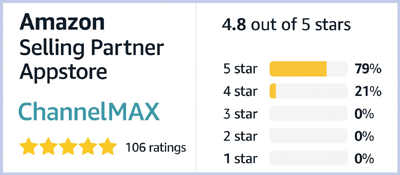
Check ChannelMAX at Amazon Selling Partner Appstore, an application with a 5 star rating.