How to Build a Successful Private Label Brand on Amazon
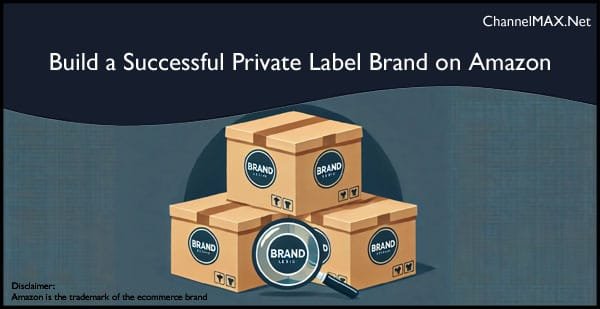
Unlock the potential of building your own brand on Amazon with private label selling.
By ChannelMAX Staff Writer
Dec-2024#03
Starting an private label Amazon business is a great way to build your own brand and boost profits. Selling private label on Amazon also gives you more control compared to traditional reselling. Instead of reselling existing products, private labeling allows you to customize and market products under your brand name. This gives you a unique advantage in the competitive Amazon market.
You can build long-term brand value, create repeat customers, and increase your profit margins over time. Since Amazon FBA handles storage and shipping, private label sellers can scale faster and focus on growing their product line. With the right strategy, private labeling becomes one of the most powerful ways to build a sustainable online business and stand out from thousands of Amazon sellers.
This article will guide you through the basics of starting a private label business on Amazon and making it successful.
What is Amazon Private Label Selling?
In Amazon private label selling, you source products from a manufacturer, add your own brand name or logo, and sell them on Amazon. Instead of starting from scratch, you take an existing product, customize it (like adding your logo or improving features), and list it under your brand on Amazon.
Private labeling is popular because it allows you to enter the market quickly without designing a completely new product. You simply improve what already works and build your brand around it. This reduces risk and helps you launch products faster. Many successful Amazon FBA sellers started with simple private label products and scaled them into profitable brands.
Why Choose Private Label on Amazon?
1. Create Your Unique Brand:
With private labeling, you create your own brand identity and product positioning. You can decide the product design, packaging, and pricing to make your brand memorable and recognizable. A unique brand allows you to differentiate yourself from competitors, attract loyal customers, and create a more professional image.
2. Control Over Pricing and Profit Margins:
Unlike reselling, private label products give you full control over pricing. They generally have higher margins because you're not buying from established brands that already have set prices. This flexibility allows you to set prices based on your costs and desired profit margin. You can also offer discounts, or optimize pricing for better sales.
3. Customizable Products to Meet Market Demand:
Private label selling allows you to select products that meet specific market trends or customer needs. You can source products based on the preferences and feedback of your target audience, ensuring that your products resonate with them.
4. Leverage Amazon’s Tools for Better Visibility:
Amazon offers great tools to help private label sellers grow their businesses. With Fulfillment by Amazon (FBA), Amazon takes care of shipping and gives you access to millions of customers. You can take full advantage of Amazon tools like Enhanced Brand Content (EBC) and A+ Content to create visually appealing listings.
Also Read: Mastering Amazon A+ Content: Guidelines for Creating High-Impact Product Listings
5. Opportunity to Dominate a Niche Market:
Private labeling helps you target specific niches that big brands might miss. By focusing on a particular audience, such as eco-friendly shoppers, pet owners, or tech enthusiasts, you can tailor your products to meet their exact needs. This focused approach increases your chances of standing out and becoming a top seller in that category.
6. Higher Scalability for Long-Term Growth:
Private labeling helps you grow your business. Once a product becomes popular, you can add related products under the same brand to grow your catalog. This makes it easier to sell more items to your current customers and helps your business grow over time and become more stable.
Steps to Start a Private Label Business on Amazon
1. Find Your Niche:
Identifying a niche market is crucial. Start by identifying products with consistent demand and low competition. You can use tools like Amazon’s Best Sellers to see what products are trending. Look for products that you can improve or make unique with your brand. Pick products that solve problems or appeal to specific niches. Avoid overly saturated or restricted niches. Reading customer reviews can also help you discover what people want and give you ideas to make better products.
Also Read: How to Find Amazon Best Sellers: A Step-by-Step Guide
2. Research and Source Products:
Once you've identified a potential niche, it is important to choose a product that is easy to source and has the potential for private labeling. You can find reliable suppliers on platforms like Alibaba, Global Sources, or local manufacturers. Make sure they can produce high-quality products and allow customization options. Pick a product that is in demand but has less competition, so you can stand out. Ask for samples to check the product's quality and discuss prices to make sure you can make a good profit.
3. Build Your Brand:
After sourcing your product, it's time to design packaging and branding that reflects your unique selling proposition. Clear, professional packaging can make your product look more valuable. A unique logo, attractive packaging, and professional branding can create a lasting impression. You can register your brand with Amazon’s Brand Registry to protect it from unauthorized sellers. This also gives you access to extra features like A+ content to improve your listing.
Also Read: Creating a Brand on Amazon: A Complete Guide to Build Your Identity
4. Create an Optimized Product Listing:
When you’re ready to sell on Amazon, create a compelling product listing. Optimize your product listing with strong titles, bullet points, and descriptions. Use high-quality images, write clear and appealing product descriptions, and do keyword optimization to make your Amazon listing stand out.
Also Read: Amazon Listing Optimization: Boost Visibility & Drive Sales
5. Optimize Pricing and Inventory Management:
Once your product is live, the work doesn’t stop. You have to optimize your listing continuously. Tools like ChannelMAX can help you manage pricing and inventory, ensuring you remain competitive. ChannelMAX makes pricing easier by automating price adjustments to stay competitive. This helps you maximize profits while winning the Buy Box.
6. Use Fulfillment by Amazon (FBA):
Fulfillment by Amazon (FBA) simplifies shipping, storage, and customer service. By enrolling in FBA, your products are eligible for Prime shipping, which attracts more buyers. You can also use Amazon Sponsored Products ads and social media campaigns to drive traffic to your listings. Offering discounts, coupons, and promotions can help you gain initial visibility and build customer loyalty.
Also Read: Is Fulfillment by Amazon (FBA) Worth It? A Comprehensive Guide for Sellers
Challenges and How to Overcome Them
1. High Competition:
The Amazon marketplace is highly competitive, and it can be tough to make your private-label product stand out. To overcome this, focus on niche markets where competition is less and your product can stand out. Analyze your competitors to identify gaps in the market and offer something unique.
2. Finding Reliable Suppliers:
A common problem when sourcing private label products is finding reliable suppliers. To avoid this, research suppliers well, read their reviews, and ask for samples before making big orders. Maintaining clear communication and using detailed contracts ensures you receive consistent quality. You can also use third-party inspection services before shipping.
3. Pricing Strategies:
Setting the right price can be tricky, especially when competing against established brands or other private label sellers. Set prices that are both profitable and attractive to customers. Use automated repricing tools like ChannelMAX to stay competitive. ChannelMAX helps you automatically adjust prices based on demand and Buy Box conditions without lowering your profits too much.
Also Read: Why Do You Need An Automated Repricer On Amazon?
4. Quality Control:
If your private label product is of poor quality, it will lead to negative reviews and returns. To avoid this, regularly monitor shipments and test products to make sure they meet your standards. Set clear quality expectations, request pre-production samples, and perform regular inspections. Good quality reduces returns, improves customer experience, and boosts review ratings.
5. Customer Returns and Negative Feedback:
Returns are a part of selling, but negative feedback can affect your seller rating and reputation. To reduce returns, make sure your product descriptions are clear, with images and details. Respond quickly to customer complaints and address negative reviews with solutions, like offering refunds or replacements if needed.
Key Considerations for Success
1. Marketing and Promotion:
To boost visibility, use Amazon's advertising tools, like sponsored product ads. You can also partner with influencers or use social media to drive more traffic. Combine Amazon PPC, influencer marketing, and social media promotion to increase reach. Running limited-time deals or coupons helps you attract new customers faster.
Also Read: Amazon Advertising Campaign: A Complete Guide to Maximizing Sales
2. Branding and Packaging:
Invest in quality packaging, because it affects how customers see your brand. High-quality packaging increases the perceived value of your product. Customers often judge a product by its packaging, so good design can increase conversions and reduce returns. Create a memorable logo, packaging design, and product presentation that shows your brand values.
3. Optimizing for the Buy Box:
Winning the Buy Box is important for driving sales. To improve your chances make sure you have competitive pricing, high-quality product listings, and good customer service. Repricing tools like ChannelMAX can help you adjust prices in real time and win the Buy Box. A strong Buy Box percentage leads to more consistent sales.
4. Customer Service:
Excellent customer service and quick handling reviews are essential. Quick responses improve your seller rating. Positive reviews can help your product rank higher and build trust with potential buyers. Higher organic ranking make it easier to reach more customers without spending too much on ads.
5. Fulfillment Options:
Many private label sellers choose Amazon FBA (Fulfilled by Amazon) to streamline their logistics. FBA is ideal for scaling because Amazon handles logistics. With FBA, Amazon takes care of storage, packing, and shipping, so you can focus on growing your business. However, some sellers also use FBM for oversized or slow-moving products to reduce storage fees.
Is Private Labeling Worth It?
Starting a private label business on Amazon has plenty of opportunities. By choosing the right products and creating a unique brand, you can build a successful and profitable business on Amazon. With the right research, product sourcing, and marketing strategies, your private label business can grow a lot.
Private labeling gives long-term benefits like brand ownership, higher profit margins, and gaining customer loyalty. While it requires some initial effort in research, sourcing, and branding, the potential for growth and success on Amazon is huge.
Also Read: Top Product Groups to Sell on Amazon in 2025: A Seller's Guide
Amazon is the registered trademark of the e-commerce brand.
About ChannelMAX.NET:
ChannelMAX offers Amazon Repricer that runs on the latest AI Repricing agents to do Amazon Pricing Management or Amazon Repricing. Based on Amazon SP API, the repricing engine or repricer runs 24/7 and efficiently manages Amazon prices to maximize your BuyBox with profit optimization. Established in 2005, ChannelMAX has been integrated with Amazon technology since 2007, helping thousands of third-party sellers on various eCommerce platforms. Some of the eCommerce platforms, aka marketplaces, supported by ChannelMAX.NET, are Amazon, Walmart, eBay, and Shopify. Some of ChannelMAX key offerings include ChannelMAX Amazon Repricer, 2ndly, ChannelMAX Amazon FBA Audits and FBA Refunds management, an offering for managing Amazon FBA Refunds Reimbursement management for lost or damaged or misplaced inventory for which Amazon is responsible and for which sellers deserve appropriate credit reimbursement from Amazon. ChannelMAX Services offer Remote (aka Virtual) Full-Time eCommerce Assistant to help 3P sellers run their daytoday business.
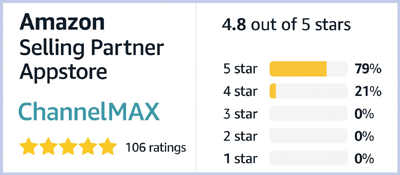
Check ChannelMAX at Amazon Selling Partner Appstore, an application with a 5 star rating.