Amazon’s Transparency Program: A Complete Guide for Brand Protection
Learn how the Transparency code system helps prevent counterfeits and protects your brand on Amazon.
By ChannelMAX Staff Writer
Nov-2025#21
Fake and duplicate products have become a serious concern for sellers on Amazon. When customers receive a counterfeit item, the brand loses trust, sales drop, and its long-term reputation is affected. To help brands protect themselves, Amazon introduced the Transparency Program—a product-authentication system that verifies every unit before it reaches the customer.
This program uses unique Transparency codes to ensure that only genuine products are shipped, reducing the risk of fake products mixing with your inventory. It also gives customers the ability to scan and check authenticity themselves, which builds trust and improves brand loyalty.
If you are a brand owner or seller on Amazon and want stronger control over your product authenticity, the Transparency Program can make a big difference. In this article, we will cover everything you need to know about how the program works, its benefits, requirements, and whether it is the right choice for your business.
What Is Amazon’s Transparency Program?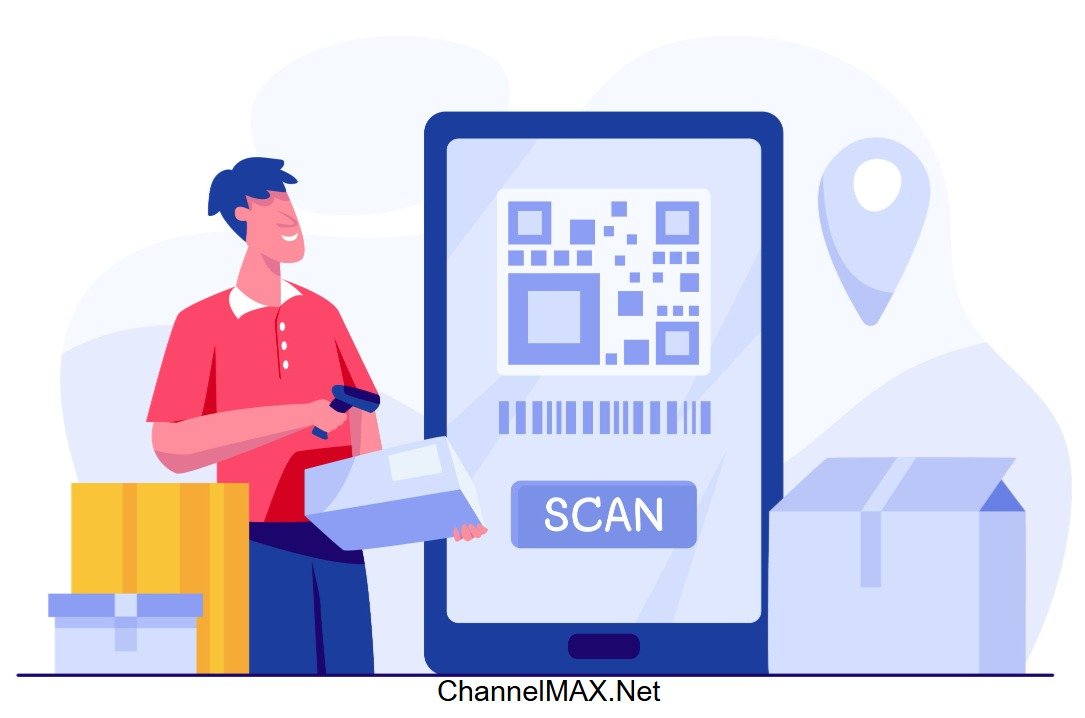
Amazon’s Transparency Program is a program that helps brands protect their products from counterfeits. Every single unit of a product gets a unique Transparency code. This code acts like a digital ID. Before Amazon ships any product to a customer, it scans the code to make sure the item is genuine. If the item does not match the brand’s registered Transparency code, Amazon blocks it from being shipped. This prevents fake or unauthorized products from entering the marketplace.
The program also helps customers check the authenticity of what they are buying. After receiving the product, customers can scan the Transparency code using the Amazon Shopping App. When they scan it, they can confirm that the product is real and not a counterfeit. They also get helpful information directly from the brand, such as how to use the product, care instructions, warranty details, safety notes, and any special offers or promotions. This extra transparency builds trust between brands and customers and gives buyers more confidence in their purchase.
How Amazon Transparency Works: Step-by-Step
1. Brand Enrollment
To join Amazon’s Transparency Program, a brand must meet a few simple conditions:
a. You must be the real owner of the brand.
b. Your brand must already be registered under the Amazon Brand Registry.
c. You must be able to add Transparency codes to every single unit you manufacture. This is important because the program only works when all units have their own codes.
Once these conditions are met, your brand can officially enroll in the program.
Also Read: Amazon Brand Registry Program: A Smart Move for Brand Protection and Growth
2. Code Generation
After enrollment, you can create special Transparency codes. These codes are:
a. Unique alphanumeric codes (a mix of letters and numbers).
b. Highly secure, meaning they cannot be easily copied or recreated by counterfeit sellers.
c. Different for every unit, so each item has its own identity.
These codes help Amazon confirm that a product is genuine before it reaches a customer.
3. Unit-Level Labeling
Every product you manufacture must have its own Transparency code.
This code should be either:
a. Printed directly on the packaging, or
b. Added as a sticker or label.
The placement must be clear so Amazon can scan it easily. Without this code, the product cannot move through Amazon’s system.
4. Pre-Fulfillment Scanning
When your products arrive at Amazon’s fulfillment center, Amazon scans each unit to check the code.
a. If the code is valid, Amazon continues processing the order, and the product is shipped to customers.
b. If the code is missing, incorrect, or fake, Amazon immediately stops the product from reaching customers. It is blocked from being shipped.
This step ensures counterfeit or unauthorized units cannot enter Amazon’s supply chain.
5. Customer Verification
Customers also get a way to confirm that the product they received is genuine. They can scan the Transparency code using:
a. The Amazon shopping app (on both iOS and Android), or
b. The Transparency app (available in some countries).
When scanned, the app may show product details such as manufacturing date, ingredients/materials, and other authenticity information. This gives customers confidence that they purchased a genuine product.
Which Sellers Should Use the Transparency Program?
The Transparency Program is a strong protection system for Amazon sellers. It is especially useful for the following types of sellers:
1. Private Label and Brand Owners
If you sell products under your own brand name, Transparency gives you an additional layer of protection. It prevents hijackers from hijacking your listing and sending cheap or fake versions of your product. Each unit has a unique Transparency code, so the actual product you manufactured is sent to the customer. This helps maintain your brand’s trust, quality, and customer experience.
2. Brands Facing Counterfeit or Unauthorized Seller Issues
If fake or unauthorized sellers often appear on your listings, Transparency can protect your brand. Amazon will only allow products with valid Transparency codes to reach the customer. This means fake sellers cannot ship their versions, helping you keep your Buy Box, improve your product ratings, and avoid negative reviews caused by counterfeit items.
3. Sellers in High-Risk Categories
Some categories attract more counterfeit activity than others. These include products such as supplements, electronics, personal care and beauty, baby products, and health-related items. If you sell in these categories, Transparency reduces the risk of fake or unsafe items being sent to customers. This keeps your product quality consistent and protects your brand reputation.
4. Sellers Planning to Expand to Global Markets
When you enter new countries, the chance of counterfeit copies increases. Transparency ensures every unit sold, whether in the US, UK, Europe, or other Amazon marketplaces, is verified as authentic. This helps you maintain the same brand trust across all markets, giving customers confidence when buying your products internationally.
If you want strong, long-term protection and a clean, controlled brand presence on Amazon, Transparency is a great program to consider.
Also Read: How to Build a Successful Private Label Brand on Amazon
How Much Does the Amazon Transparency Program Cost?
Amazon Transparency is a powerful program designed to protect brands from counterfeiting, but many sellers hesitate because they are unsure about the cost. Here is a clear explanation of how the pricing works, what you actually pay for, and what additional costs you should expect.
No Enrollment or Subscription Fees
One of the biggest advantages of Transparency is that there are no setup charges, subscription fees, or monthly payments. Amazon does not charge anything to join the program or to enroll your ASINs. This makes it easier for brands of all sizes to get started without upfront investment.
Cost Per Transparency Code
The primary cost is a per-unit fee, based on the number of Transparency codes you generate. Each product sold through Amazon must carry a unique Transparency code.
a. The price typically ranges between $0.01 to $0.05 per unit.
b. The exact cost depends on your volume. Smaller volumes are usually closer to $0.05 per code. Larger brands producing in bulk often pay less — sometimes as low as $0.01 to $0.03 per code.
This makes the program scalable and cost-effective for brands with high manufacturing volumes.
Additional Costs to Consider
While Amazon’s own charges are straightforward, you may have extra expenses depending on your production process:
1. Labeling or Printing Costs
Every unit must carry a Transparency code. Depending on your setup:
a. Your manufacturer may charge extra for printing codes on packaging.
b. If you add labels manually, you'll need to pay for printing and material costs.
2. Labor or Handling Costs
If your team applies codes manually, there may be labor costs for handling, labeling, and verifying codes before sending products to Amazon FBA or third-party warehouses. These costs vary depending on your operations and whether you integrate Transparency at the manufacturing stage.
What You Don’t Pay For:
Transparency keeps several parts of the program completely free:
a. No fee to enroll new ASINs.
b. No penalty for removing products from Transparency.
c. No fee for customer authentication scans.
d. No cost for Amazon’s internal verification during fulfillment.
This makes the program even more attractive for growing brands.
Key Benefits of Enrolling in Transparency
Amazon Transparency is one of the strongest brand-protection programs available for sellers who want to protect their products, listings, and reputation. Counterfeiters, hijackers, and unauthorized sellers can damage your brand, affect customer trust, and reduce revenue. The Amazon Transparency program helps eliminate these risks. Below are the key benefits:
1. Strong Protection From Counterfeit Sellers
Every product enrolled in Transparency receives a unique code that Amazon verifies during fulfillment. This means that fake or unauthorized sellers cannot list their products in your listing. If any seller tries to send fake or unauthorized items to Amazon, the system automatically flags and blocks those items. This prevents fake products from reaching customers and keeps your brand safe from damage caused by counterfeit goods.
2. Higher Customer Trust and Confidence
Customers today are more aware of counterfeit issues. When they can scan the Transparency code on your product and confirm authenticity instantly, they feel more secure. This trust leads to a better customer experience, stronger brand loyalty, and higher chances of repeat purchases. It also helps encourage new customers who may be buying your product for the first time.
3. Consistent Buy Box Control
Unauthorized sellers often cause price drops and Buy Box instability. With Transparency, only sellers with verified products can list under your ASIN. In most cases, this means only you, the brand owner, can sell the product. With no counterfeit or unauthorized sellers competing, you maintain stable pricing, protect your margins, and win the Buy Box consistently—leading to higher and more predictable sales.
Also Read: Amazon Buy Box Maximization - A Path to Increase Your Sales
4. Lower Risk of Listing Suppression or Negative Reviews
Counterfeit products usually lead to complaints like “product feels fake,” “quality is bad,” or “item seems different.” These complaints can result in poor reviews, customer dissatisfaction, or even listing suppression. Transparency prevents such issues by ensuring only real, brand-approved products reach buyers. This protects your account health and keeps your listing active and strong.
5. Global Protection Across All Marketplaces
Transparency applies its protection everywhere you sell. Whether your products are listed in the US, UK, EU, India, or other regions, Amazon uses the same verification process worldwide. This means your brand remains secure globally, giving you the freedom to expand without worrying about counterfeit risks across different markets.
6. Improved Brand Image and Customer Loyalty
Displaying Transparency codes shows that your brand prioritizes authenticity, safety, and customer satisfaction. This makes your brand appear premium and trustworthy. Customers appreciate brands that take extra steps to guarantee product quality, which leads to stronger loyalty and more repeat orders. Over time, this builds a powerful brand identity.
7. Fewer Customer Complaints and Better Ratings
When customers consistently receive genuine, high-quality units, they are less likely to leave complaints or request refunds. This directly improves your ratings, boosts your overall seller performance, and creates a more positive buying experience. Happy customers naturally leave better reviews, increasing your product’s visibility and long-term success.
8. Better Tracking and Supply-Chain Visibility
The unique Transparency code allows you to track each unit from production to delivery. You can identify where a product was manufactured, stored, and shipped. This helps you spot manufacturing issues early, monitor distributor performance, and prevent unauthorized sellers from entering your supply chain. It also provides strong evidence during IP claims, making it easier to defend your brand.
Amazon Transparency is more than just a protection program—it is a complete brand-strengthening solution. It helps you build a secure and reliable brand presence by stopping counterfeiters, boosting customer trust, and giving you more control over your listings. With added benefits like supply-chain visibility, improved ratings, global protection, and long-term customer loyalty, Transparency becomes a powerful tool for sellers looking to grow sustainably and protect their reputation on Amazon.
Also Read: How to Protect Your Brand from Counterfeits on Amazon?
Limitations to Consider
1. Works Only If Every Unit Has a Code
Every single product unit must have a Transparency code. If even one item is missing the code, Amazon can stop it during scanning and mark it as invalid.
This means:
a. You must check your inventory very carefully.
b. There is no room for mistakes while labeling.
c. Any mix-up at the factory or warehouse can delay shipments and cause extra costs.
For sellers with large batches or multiple factories, maintaining this 100% accuracy can be challenging.
2. Each Code Costs Money
Transparency codes are not free—they come with a per-unit charge.
This can affect your profits because:
a. Low-priced products may lose margin.
b. Sellers with thousands of units each month will see a higher overall cost.
c. You may need to increase product pricing to balance the extra expense.
For high-volume sellers, the added cost can become significant over time.
3. You Need to Change Your Workflow
Your packaging, printing, or labeling process must be updated to add the Transparency codes correctly.
This means:
a. New printing machines or sticker equipment may be required.
b. Your team needs training to apply the codes without errors.
c. You must add one more step to your production or packing line.
For small teams, this adds extra work. For complex packaging, it may slow down operations.
4. You Must Be the Brand Owner
Only brand owners can join the Transparency Program.
This means:
a. Resellers, wholesalers, and private-label sellers without trademark rights cannot participate.
b. You must have full brand control and support from Amazon Brand Registry.
If your brand is still waiting for trademark approval, you cannot enroll yet.
Also Read: How Trademarks Protect Your Amazon Business?
5. Cannot 100% Stop Unauthorized Sellers
Transparency helps block counterfeit products, but it cannot completely stop unauthorized resellers who source genuine units.
This means:
a. If someone buys your original product and resells it, Transparency codes cannot prevent that.
b. It protects against fake copies but not against “grey-market” sellers.
You may still need other brand-protection strategies.
How to Enroll in the Transparency Program?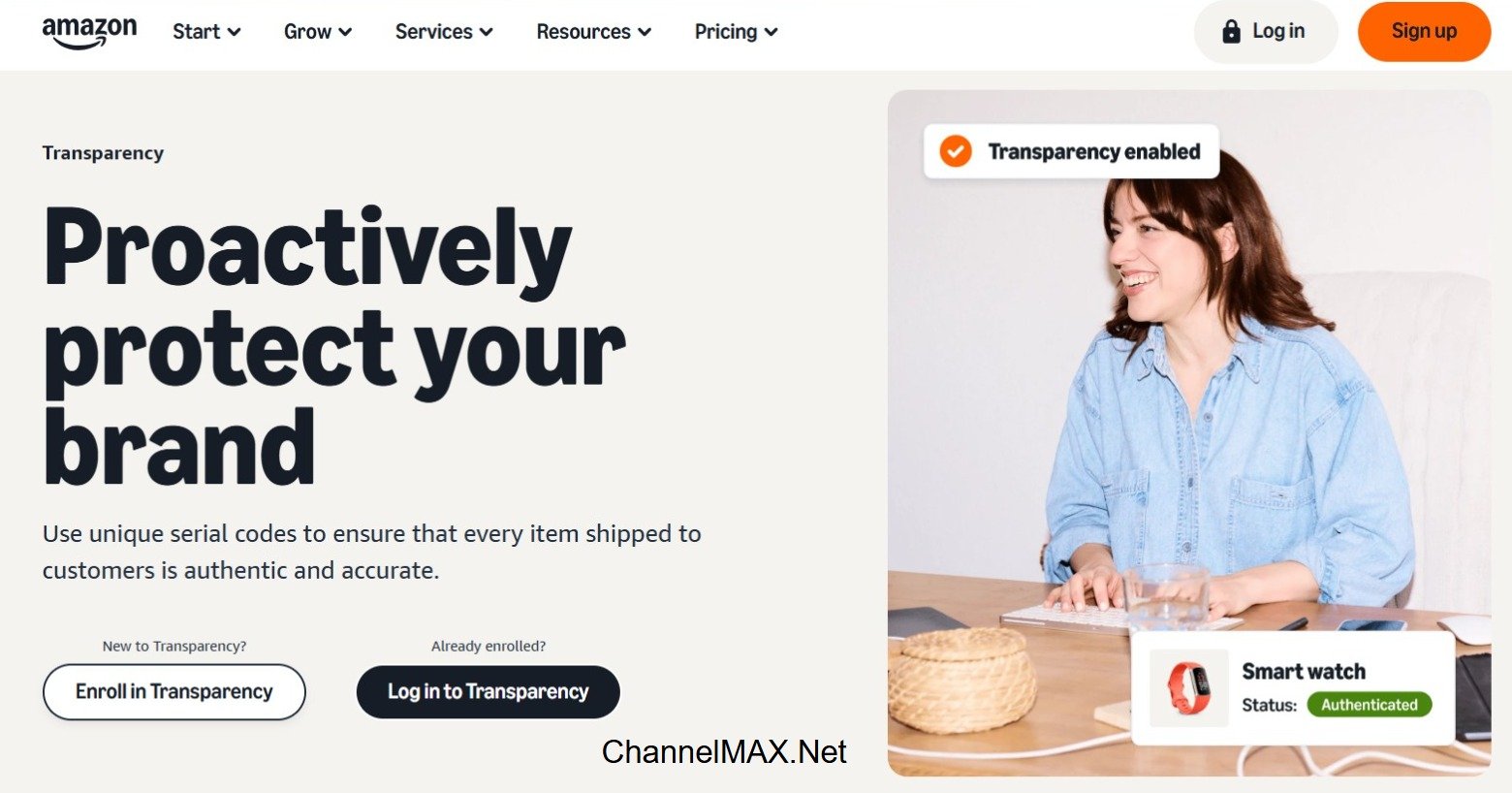
1. Register Your Brand with Amazon Brand Registry
The first step is adding your brand to the Amazon Brand Registry. This verifies that you are the genuine brand owner and unlocks Amazon’s advanced protection tools. Once enrolled, Amazon gives you more control over your listings, reduces hijacking risks, and ensures your brand identity stays protected across the marketplaces. Brand Registry is required because only registered brands can access the Transparency program.
2. Select the Products You Want to Protect
Next, choose which products you want to enroll in the Transparency Program. You can add your top-selling SKUs, new product launches, or items more prone to counterfeiting. For Amazon sellers, this step is very important because Transparency protection directly impacts Buy Box stability — fake or unauthorized items can no longer interfere with genuine sales. Adding your high-value or high-volume products ensures stronger protection and better control over your catalog.
3. Submit Product Details for Verification
Once products are selected, sellers must share accurate product data with Amazon, such as UPC, ASIN, GTIN, and manufacturing details. Amazon uses this information to validate every SKU before generating Transparency codes. Clean, accurate data ensures a smooth process. Inconsistent or missing details may cause delays in approval. For serious sellers, this step ensures your product identity is clear, preventing listing errors or mismatches later.
4. Order Unique Transparency Codes
After approval, you can order Transparency codes, which are secure 2D barcodes created specifically for your products. Every unit you sell receives its own unique code — meaning Amazon can verify authenticity at every stage of fulfillment. These codes act as digital “identity tags,” helping Amazon instantly detect and block counterfeits. For brands, this adds additional control over the supply chain and significantly boosts customer trust.
5. Apply Codes to Every Unit
Place one Transparency code on each individual unit before sending inventory to Amazon. The code must be printed clearly and placed where scanners can easily read it. If a unit arrives without a valid code or the label is damaged, Amazon will reject it. This step ensures every product entering Amazon’s system is traceable and verified. It also protects your brand reputation by preventing the shipment of fake or tampered units to customers.
6. Send Your Labeled Inventory to Amazon
Ship your Transparency-labeled inventory to Amazon’s fulfillment centers as usual. At inbound check-in, Amazon scans every Transparency code to confirm authenticity. Any unit without a correct code is flagged immediately. This ensures that only your genuine inventory enters Amazon’s supply chain. Sellers benefit from cleaner inventory, fewer complaints, and maximum protection from marketplace hijackers.
7. Protection Activates Automatically
Once your products go live under Transparency, Amazon continuously scans and verifies your units throughout the entire fulfillment journey — from warehouse check-in to customer delivery. Non-authentic units are automatically blocked or removed. This gives brand owners complete peace of mind, knowing that counterfeit sellers can’t undercut their Buy Box share, manipulate pricing, or damage their reputation. With Transparency active, your catalog becomes significantly more secure and stable.
Practical Tips for a Smooth Transparency Enrollment
1. Start with Your Most Vulnerable SKUs
Begin by adding the products that face the highest risk of counterfeiting or unauthorized selling. This typically includes best-sellers, fast-moving items, or products with very high customer demand. These listings are often the first targets for counterfeiters, so protecting them first helps keep your main revenue stream safe, maintain a positive customer experience, and stable Buy Box performance. Once these SKUs are enrolled, gradually expand Transparency to the rest of your catalog.
2. Maintain Clean and Accurate Product Data
Before sending product details to Amazon, check that all information is accurate and up to date. Make sure the UPC, ASIN, GTIN, brand name, size, color, and packaging information are all accurate. Even small mistakes, such as spelling errors, outdated UPCs, or mismatched product data, can slow down the approval process or create incorrect codes. Clean data helps Amazon verify your products easily, keeps your supply chain smooth, and minimizes listing issues that could affect visibility and conversions.
3. Train Your Manufacturing or Packaging Team
Make sure your production or packaging team understands how Transparency codes work and why they matter. Provide clear guidelines on where each code should be placed, how it should be printed, and how to avoid damage or wrinkles that affect scannability. If a code is damaged or misplaced, the unit cannot be scanned, and Amazon may reject it or delay check-in. Proper training helps reduce errors, improve operational efficiency, and ensure that every unit is ready for Amazon’s warehouse without issues.
4. Order Transparency Codes in Advance
Transparency codes are essential for your packaging process, so plan your code orders early to avoid production delays. This is especially important during peak seasons such as Prime Day, Q4, holiday seasons, or new product launches. Delays in ordering codes or running out of codes can affect your entire packaging or manufacturing timeline, affecting your ability to restock on time. Ordering in advance helps you avoid production pauses, keeps your supply chain moving smoothly, and ensures you always have correctly labeled units ready to ship.
5. Combine Transparency with Other Protection Tools
Transparency works even better when combined with Amazon’s other brand protection features. Tools like Brand Registry content protection, automated IP complaints, and anti-counterfeit programs help create a strong, multi-layer defense around your products. Layering these tools protects your catalog from multiple angles, reduces unauthorized sellers, and improves listing health. It also strengthens customer trust and creates a consistent shopping experience across all your products.
6. Track Customer Feedback and Reviews
Monitor customer reviews and return reasons after enrolling products in Transparency. Many brands have noticed improvements, such as fewer “received a fake product” complaints, better customer confidence, and improved star ratings after activation. Tracking customer feedback provides a clear picture of how well Transparency is working and whether more SKUs should be added. Positive feedback also strengthens trust and improves long-term repeat purchases.
7. Ensure All Units Are Labeled Correctly
Every unit of every enrolled SKU must have a clean, scannable Transparency code. Amazon checks each unit during inbound processing. If a unit is missing a code or the code is damaged or unreadable, Amazon may reject that inventory or delay check-in. To avoid this, implement a simple quality check process at the end of your packaging line to verify code placement and clarity. This small step prevents expensive delays, reduces inventory troubles, and keeps your cycle running smoothly.
8. Monitor Listings for Unauthorized Sellers
Even after enrolling in Transparency, monitor your listings for any suspicious or unauthorized sellers that may appear. In most cases, Transparency removes most bad or unauthorized sellers, but monitoring helps ensure everything is functioning correctly. If you still see unusual offers or unknown sellers, you can report them quickly. Cleaner listings mean better pricing control, stronger Buy Box consistency, and a healthier overall sales performance.
To summarize, Amazon’s Transparency Program can be very helpful for protecting your brand. It is especially useful if fake products are hurting your reviews or sales, if unknown sellers keep listing your products, if your brand has premium pricing that attracts copycats, or if you want strong protection for all your global listings.
However, if you are a small seller with low-risk products or very small profit margins, the cost and extra work may not be worth it.
Overall, Transparency is one of the most effective ways to stop counterfeit products. It protects your brand at the unit level, builds customer trust, and keeps your listings safe. This can help your Amazon business grow in the long run. For growing brands, Transparency is not just a protection tool — it gives you a clear competitive advantage on Amazon.
Also Read: How to Get Reviews on Amazon?
Disclaimer:
Amazon is the registered trademark of the e-commerce brand.
About ChannelMAX.NET:
ChannelMAX offers Amazon Repricer that runs on the latest AI Repricing algorithm to do Amazon Pricing Management or Amazon Repricing. Based on Amazon SP API, the repricing engine or repricer runs 24/7 and efficiently manages Amazon prices to maximize your BuyBox with profit optimization. Established in 2005, ChannelMAX has been integrated with Amazon technology since 2007, helping thousands of third-party sellers on various eCommerce platforms. Some of the eCommerce platforms, aka marketplaces, supported by ChannelMAX.NET, are Amazon, Walmart, eBay, and Shopify. Some of ChannelMAX key offerings include ChannelMAX Amazon Repricer, 2ndly, ChannelMAX Amazon FBA Audits and FBA Refunds management, an offering for managing Amazon FBA Refunds Reimbursement management for lost or damaged or misplaced inventory for which Amazon is responsible and for which sellers deserve appropriate credit reimbursement from Amazon. ChannelMAX Services offer Remote (aka Virtual) Full-Time eCommerce Assistant to help 3P sellers run their daytoday business.
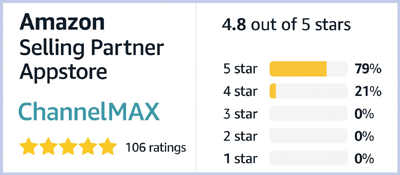
Check ChannelMAX at Amazon Selling Partner Appstore, an application with a 5 star rating.