Amazon Basics: What It Is, How It Works, and What It Means for Amazon Sellers
Everything sellers need to know about Amazon Basics and staying profitable in competitive categories.
By ChannelMAX Staff Writer
Dec-2025#13
Amazon Basics is Amazon’s own brand. It sells a wide range of everyday products in categories such as electronics accessories, home items, office supplies, kitchen tools, and other daily-use essentials. These products are popular for their affordable prices and good quality. Because customers already trust the Amazon brand, Amazon Basics products often get good visibility and sales on the platform.
For Amazon sellers, it is important to understand what Amazon Basics is and how it works. Since Amazon sells these products directly, they often compete with third-party sellers in the same categories. This can affect product pricing, Buy Box chances, and overall sales performance. Many sellers find it difficult to compete because Amazon Basics products are usually low-priced and appear higher in search results.
However, competing with Amazon’s own brand can be difficult, but sellers can still succeed by improving their listings, offering better product features, and using smart pricing strategies. Providing better quality, strong branding, excellent customer service, and unique products can help sellers stand out, even in categories where Amazon Basics is present.
This guide will cover what Amazon Basics is, how it works, why it is successful, how it impacts third-party sellers, and practical tips sellers can use to stay competitive and profitable on Amazon.
What Is Amazon Basics?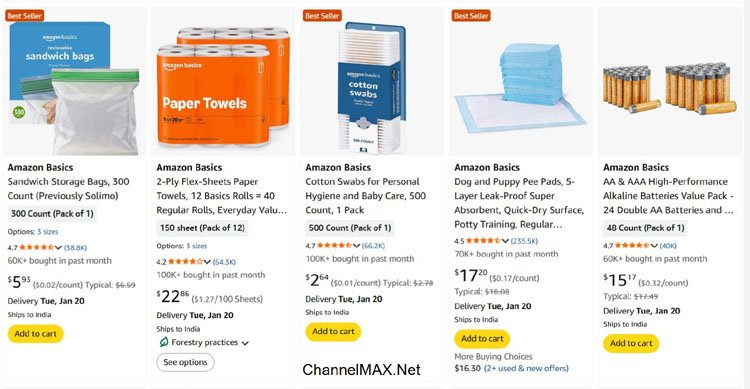
Amazon Basics is Amazon’s own brand that sells everyday products at low and competitive prices. The main goal of Amazon Basics is to offer simple, useful items that customers need regularly, without extra features or high costs. Because of this, many shoppers trust Amazon Basics for basic and essential products.
The brand offers products across many categories. These include electronics accessories like batteries, chargers, and cables, as well as home, office, and kitchen items such as office chairs, storage boxes, cookware, and small appliances. Over time, Amazon Basics has expanded into almost every major product category on Amazon.
Although the products are sold under the Amazon Basics name, they are not always made by Amazon itself. Instead, Amazon works with third-party manufacturers to produce these items. Amazon then manages everything else, including product pricing, branding, packaging, and marketing.
One main advantage Amazon Basics has is strong visibility on the platform. These products often appear at the top of search results, win the Buy Box easily, and are highlighted in recommendations. This gives Amazon Basics a strong competitive edge and makes it more challenging for other sellers offering similar products to stand out.
How Amazon Basics Works as a Private Label Brand?
Amazon Basics is Amazon’s own private label brand. It focuses on selling everyday products at low prices in many categories such as electronics, home, office, and kitchen items.
First, Amazon finds products that sell well and have regular demand. These are usually simple products that many customers often buy. Amazon then works with other manufacturers to produce similar products and then sells them under the Amazon Basics name.
Amazon controls almost everything related to these products. This includes the price, product features, packaging, branding, and advertising. Since Amazon owns the brand, it can keep prices low and promote these products more on its platform.
Amazon Basics products are usually fulfilled by Amazon (FBA). This means fast delivery, Prime benefits, and easy returns, which customers like. These benefits help Amazon Basics gain more trust and visibility.
Since Amazon owns both the marketplace and the brand, Amazon Basics products often appear higher in search results and recommendations. This helps Amazon compete directly with other sellers and set price and quality expectations.
In simple terms, Amazon Basics uses Amazon’s sales data, supply chain control, and customer trust to perform well in basic product categories.
Also Read: How to Build a Successful Private Label Brand on Amazon
Why Amazon Basics Matters to Third-Party Sellers?
Amazon Basics products can strongly affect how you sell on Amazon.
1. High visibility and trust
Amazon Basics products usually appear at the top of Amazon search results. This happens because Amazon gives more visibility to its own brand. Customers also trust Amazon Basics because it is an Amazon-owned brand. As a result, many shoppers click on these listings first, making it harder for other sellers to get attention, even if their product is good.
2. Price competition
Amazon Basics is known for offering products at very low prices. This puts pressure on other sellers to lower their prices to stay competitive. Sellers need to manage costs, profits, and pricing strategies carefully. Selling at very low margins for a long time can be risky, especially for small or new sellers.
3. Category standards
Amazon Basics sets the standard for what customers expect in many product categories. Buyers compare other products with Amazon Basics in terms of price, features, quality, and reviews. Sellers must match or clearly exceed these standards to attract customers. If a seller’s product is priced higher, they must clearly explain why it is better, such as better materials, extra features, or improved durability.
4. Impact on sales and conversions
Many customers prefer Amazon Basics because they are familiar with the brand and believe it is reliable. Even if another product has similar features, customers may still choose Amazon Basics. This can reduce conversion rates for third-party sellers unless they clearly highlight their product’s unique value.
5. Limited growth space
In categories where Amazon Basics is very strong, it can be difficult for sellers to grow quickly. New sellers may struggle to rank, get reviews, or win the Buy Box. To succeed, sellers need to offer better quality, unique features, improved branding, or stronger customer support.
Overall, Amazon Basics changes how sellers must think about pricing, product quality, and competition on the Amazon marketplace.
How Amazon Basics Impacts Pricing and the Buy Box?
Amazon Basics has a strong effect on product pricing and Buy Box competition on Amazon. Since it is Amazon’s own brand, these products are often priced very competitively. In many categories, Amazon Basics sets the lowest price, which forces other sellers to lower or adjust their prices to stay competitive.
When Amazon Basics is present in the same category or listing, it becomes difficult for third-party sellers to win the Buy Box. Amazon Basics usually has advantages such as FBA fulfillment, Prime eligibility, fast shipping, and strong customer trust. These benefits help Amazon Basics win the Buy Box more often.
Amazon Basics pricing also influences customer expectations. Buyers compare other products with Amazon Basics and expect similar or better pricing. If a seller charges more, they must clearly explain why their product is better, such as better quality, extra features, or bundle deals.
Amazon Basics prices can change quickly, so sellers need to monitor pricing closely. If sellers do not react fast, they may lose the Buy Box, product visibility, and sales. This is why many sellers use automated repricing tools to stay competitive while still keeping healthy profit margins.
Overall, Amazon Basics increases price pressure and makes Buy Box competition tougher, especially in popular and high-demand categories.
Also Read: Amazon Buy Box Maximization - A Path to Increase Your Sales
Categories Where Amazon Basics Is Most Active
Amazon Basics is most active in categories that have high demand and simple, everyday products. These are products that customers buy often and do not require strong brand loyalty.
Some of the main categories include:
a. Electronics and accessories: Products like charging cables, batteries, power banks, headphones, and adapters are common under Amazon Basics. These items have high sales volume.
b. Home and kitchen: Amazon Basics offers many home essentials such as storage containers, kitchen tools, cookware, bedding, towels, and cleaning supplies.
c. Office supplies: These include items like paper, pens, notebooks, printer cables, office chairs, and desk organizers. These products are frequently used and price-sensitive.
d. Furniture: Amazon Basics sells simple furniture such as office chairs, tables, shelves, and storage units that focus on basic design and function.
e. Tools and home improvement: Basic tools, extension cords, power strips, light bulbs, and hardware items are also popular Amazon Basics products.
f. Pet supplies: Items like pet beds, bowls, training pads, and grooming tools are included in this category.
Amazon Basics mainly targets categories where products are easy to make, easy to compare, and highly competitive on price.
Also Read: Highest Selling Items on Amazon: What’s Trending and How Sellers Can Profit?
How Can Sellers Compete with Amazon Basics?
Competing with Amazon Basics can be challenging, but sellers can still succeed by using the right strategies. Below are a few practical and easy ways to stay competitive:
1. Differentiate Your Product
Do not sell a copy of what Amazon Basics is already offering.
a. Add unique features, better quality, or improved design.
b. Offer bundles, combo packs, or premium versions.
c. Focus on niche products or variations that Amazon Basics does not sell.
d. Share your brand story, craftsmanship, or product purpose in your listing to stand out.
2. Optimize Your Listings for SEO
A well-optimized listing helps your product appear in search results.
a. Use strong and relevant keywords in the title, bullet points, and product descriptions to show up in searches.
b. Add clear lifestyle images and infographics to explain product features and benefits.
c. Highlight what makes your product better.
d. Encourage customers to leave reviews to build trust and compete with Amazon Basics ratings.
3. Use Smart Pricing Strategies
Lowering prices is not always the best solution.
a. Focus on the value your product offers, not just cheap pricing.
b. Price your product based on quality, features, and customer benefits.
c. Use repricing tools like ChannelMAX Repricer to stay competitive in the Buy Box without losing profits.
d. Offer bundles, multipacks, or extra accessories that Amazon Basics doesn’t provide to make your offer more attractive.
4. Use Advertising and Promotions
Advertising helps your product get noticed and bring in more customers.
a. Run Sponsored Product ads targeting keywords where Amazon Basics appears.
b. Use coupons, discounts, or Lightning Deals to attract buyers.
c. Track ad performance and adjust bids to avoid wasting money.
d. Promote your best-selling or highest-rated products.
Also Read: Amazon Advertising Campaign: A Complete Guide to Maximizing Sales
5. Focus on Better Customer Experience
Great service can help you stand out from Amazon Basics.
a. Provide fast shipping, easy returns, and excellent customer service.
b. Answer customer questions quickly and resolve issues efficiently.
c. Provide clear instructions, packaging, and after-sales support.
d. Ask buyers for feedback and improve based on reviews.
e. A better experience leads to repeat customers and stronger brand trust.
Positive customer experience can increase loyalty and repeat purchases, even if Amazon Basics is available.
6. Build a Strong Brand Identity
Amazon Basics is generic, but your brand does not have to be. Use social media, email marketing, or blogs to promote your brand outside Amazon.
a. Create a recognizable brand name and logo.
b. Use consistent branding across images, packaging, and listings.
c. Register your brand with Amazon Brand Registry for extra protection and tools.
d. A strong brand helps customers remember and choose your product over Amazon Basics.
Also Read: Amazon Brand Registry Program: A Smart Move for Brand Protection and Growth
7. Target the Right Audience
Not every customer wants the cheapest option.
a. Focus on buyers who want better quality or special features.
b. Highlight use cases where your product performs better than Amazon Basics.
c. Use A+ Content to educate customers and increase conversions.
8. Monitor and Adapt to Trends
a. Keep track of what’s selling well in your category and any new products Amazon Basics launches.
b. Adjust your listings, pricing, or promotions to respond to changes in demand.
c. Being proactive helps you stay competitive and grow your sales.
By focusing on differentiation, smart pricing, strong listings, and branding, sellers can compete effectively with Amazon Basics and build long-term success on Amazon.
Challenges Sellers Face When Competing with Amazon Basics
1. Direct competition with Amazon
When you sell a product that competes with Amazon Basics, you are competing directly with Amazon itself. Amazon has deep insights into customer data, pricing behavior, and demand trends, and controls the marketplace, including search rankings, Buy Box logic, and visibility rules. This allows Amazon to optimize its own products faster and more effectively. As a result, third-party sellers may find it difficult to match Amazon’s control over visibility and performance on the platform.
2. Price sensitivity
Amazon Basics is widely known for offering products at low prices. Because of this, customers often compare all similar products to Amazon Basics and expect similar or lower pricing. This puts constant pressure on sellers to lower their prices, sometimes to stay competitive. This can quickly reduce profit margins. Maintaining healthy profit margins becomes challenging, especially when costs like advertising, fulfillment, and storage continue to rise.
3. High number of reviews
Most Amazon Basics products already have thousands of reviews collected over many years. These reviews build strong customer trust and social proof. New or growing sellers usually have fewer reviews, making it difficult to gain trust quickly. Even high-quality products may be ignored simply because they do not have enough social proof. Gaining reviews takes time and consistent performance, making early growth slower.
4. Limited visibility in search results
Amazon Basics products often appear at the top of search results due to Amazon’s preference for its own brand. This reduces organic visibility for third-party sellers. Even well-optimized listings may struggle to rank. As a result, sellers may need to rely more on paid advertising just to get noticed, which increases costs.
5. Strong brand trust
Customers generally trust Amazon Basics because it is Amazon’s own brand. Many shoppers believe these products are reliable, fair price, and are easy to return. This trust can lead customers to choose Amazon Basics without exploring alternative brands, making it harder for sellers to win sales.
6. Buy Box challenges
Winning the Buy Box is necessary for sales. Amazon Basics frequently wins the Buy Box because of competitive pricing, Prime eligibility, and fast fulfillment. Without the Buy Box, product visibility and sales drop sharply. Competing for the Buy Box against Amazon Basics is especially challenging for third-party sellers.
7. Difficulty in scaling
In categories where Amazon Basics is strong, scaling a business becomes more challenging. Sellers often need to invest more in advertising, branding, and product innovation to grow. Without clear differentiation or a niche targeting, expanding sales volume can be slow and difficult in the long term.
These challenges make it essential for sellers to plan carefully, focus on differentiation, and adopt smart pricing and marketing strategies when competing with Amazon Basics.
Also Read: Amazon Listing Optimization: Boost Visibility & Drive Sales
Best Practices to Win Customers Despite Amazon Basics
Even though Amazon Basics dominates many categories, sellers still have several opportunities to grow and succeed by focusing on unique value and strategy:
1. Focus on premium or niche products
Amazon Basics mainly sells basic, everyday items. Sellers can stand out by offering premium-quality or niche products that Amazon Basics does not cover. Sellers can target customers looking for specialized products.
For example, using better materials, unique designs, or advanced features can attract buyers who want more than just a basic option. Niche products, such as eco-friendly versions, custom sizes, or limited editions, can help sellers reach audiences that Amazon Basics does not serve.
Also Read: How to Find Niche Products to Sell on Amazon
2. Offer bundles and add-ons
Create bundles, multipacks, or accessories that add extra value. These are a great way to differentiate your products. Bundles are harder to compare directly with Amazon Basics and often improve average order value. This also helps sellers protect margins while offering something unique.
For example, if Amazon Basics sells a standard office chair, you could sell the chair with a comfort cushion. Offering extra items or complementary products increases the perceived value and gives buyers a reason to choose your listing over Amazon Basics.
Also Read: Amazon Product Bundling Strategy: How to List and Win the Buy Box
3. Build strong brand loyalty
Creating a memorable brand experience can help sellers win loyal customers. Excellent customer service, quick responses to queries, unique packaging, and clear quality guarantees make a product more appealing. Highlighting your brand story or mission, such as sustainability or handmade, can connect with customers on a personal level and encourage repeat purchases. When customers feel confident about your brand, they are more likely to choose you instead of Amazon Basics.
4. Use smart automation tools
Staying competitive on Amazon requires constant monitoring of pricing and inventory. Managing pricing and inventory manually can be difficult in competitive categories. Tools like ChannelMAX Repricer help sellers adjust prices in real-time, maintain profitability, and improve chances of winning the Buy Box. Tools reduce manual work, save time, and help sellers respond quickly to changes in the market or competitor actions.
5. Leverage marketing outside Amazon
Sellers can reduce dependency on Amazon’s search results by building awareness and driving traffic externally. Social media campaigns, influencer collaborations, email marketing, and content creation can help attract customers who may not automatically choose Amazon Basics. Running promotions or campaigns that highlights your product benefits and unique features can attract buyers. Special offers on other platforms increases visibility and builds a loyal audience beyond the Amazon marketplace.
By using these strategies, sellers can improve brand visibility, increase sales, and remain competitive even in categories where Amazon Basics has a strong presence.
Can Amazon Copy Your Product and Launch Amazon Basics?
Amazon usually does not copy products that are patented, strongly branded, or truly unique. If your product has a custom design, special features, or legal protection, it is less likely that Amazon will launch a similar Amazon Basics version. Amazon Basics mainly focuses on simple, generic, high-demand products rather than innovative or highly differentiated ones.
How to reduce the risk:
a. Invest in product innovation: Create products with unique features, better design, or improved functionality. The more unique your product is, the harder it is to copy.
b. Secure trademarks and brand registration: Register your brand and trademarks and enroll in Amazon Brand Registry. This helps protect your listings, images, and content from being copied.
c. Avoid too generic products: Generic items with no clear differentiation are easier targets. Focus on products with a clear purpose, unique design, or added value.
d. Build customer loyalty and reviews: Strong reviews and repeat customers create trust in your brand. Loyal customers are more likely to choose your product even if Amazon launches a similar one.
By focusing on innovation, branding, and customer trust, sellers can reduce the chances of direct competition from Amazon Basics and build a more secure business.
To summarize, Amazon Basics is a powerful brand on Amazon that affects sellers in many ways. It often sets low prices, dominates the search results, and wins the Buy Box because of fast shipping and customer trust. This makes competition tougher for third-party sellers.
However, sellers can still succeed by focusing on unique or premium products, offering bundles, building a strong brand, using smart pricing tools, and providing excellent customer service. By understanding how Amazon Basics works and adapting strategies, sellers can stay competitive, protect profits, and grow their business even in challenging categories.
Also Read: The Importance of Product Reviews on Amazon
Disclaimer:
Amazon is the registered trademark of the e-commerce brand.
About ChannelMAX.NET:
ChannelMAX offers Amazon Repricer that runs on the latest AI Repricing algorithm to do Amazon Pricing Management or Amazon Repricing. Based on Amazon SP API, the repricing engine or repricer runs 24/7 and efficiently manages Amazon prices to maximize your BuyBox with profit optimization. Established in 2005, ChannelMAX has been integrated with Amazon technology since 2007, helping thousands of third-party sellers on various eCommerce platforms. Some of the eCommerce platforms, aka marketplaces, supported by ChannelMAX.NET, are Amazon, Walmart, eBay, and Shopify. Some of ChannelMAX key offerings include ChannelMAX Amazon Repricer, 2ndly, ChannelMAX Amazon FBA Audits and FBA Refunds management, an offering for managing Amazon FBA Refunds Reimbursement management for lost or damaged or misplaced inventory for which Amazon is responsible and for which sellers deserve appropriate credit reimbursement from Amazon. ChannelMAX Services offer Remote (aka Virtual) Full-Time eCommerce Assistant to help 3P sellers run their daytoday business.
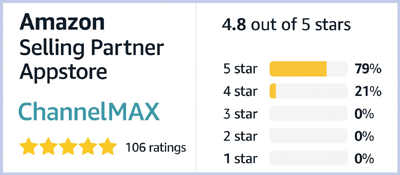
Check ChannelMAX at Amazon Selling Partner Appstore, an application with a 5 star rating.